
Tooth extraction and dental surgery
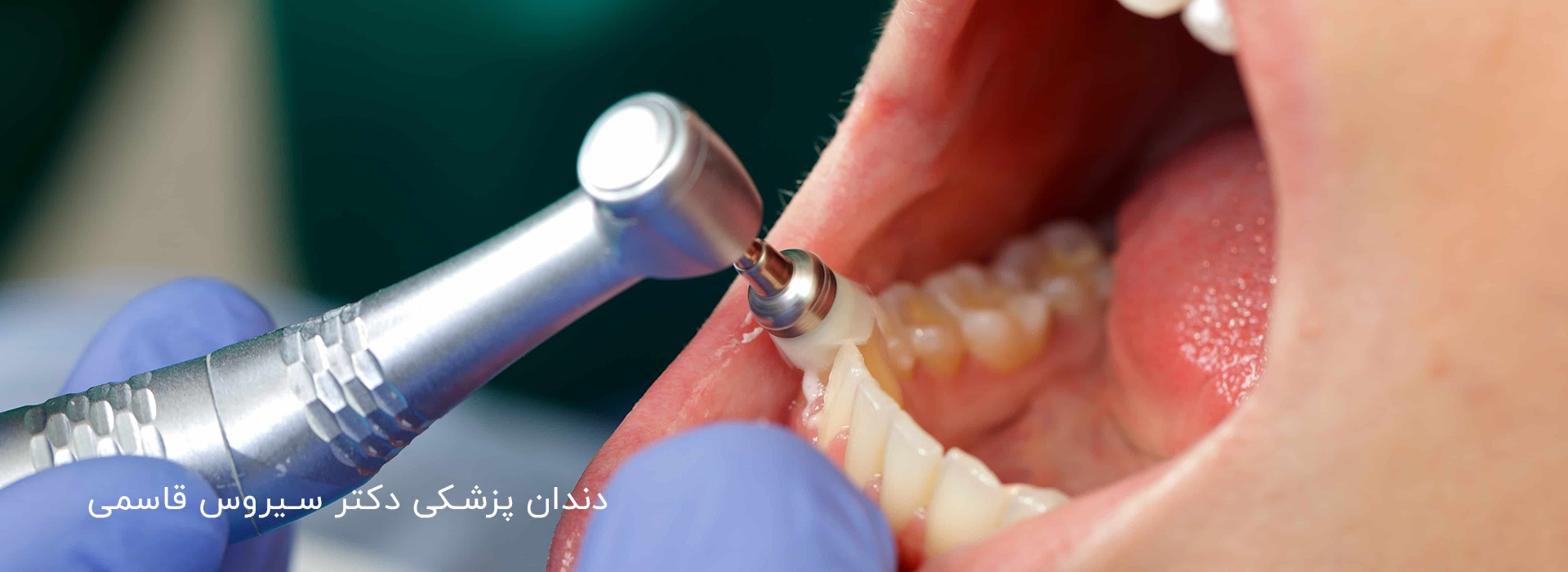
Dental surgery
Tooth extraction and dental surgery are among the topics often accompanied by much concern and many questions. Whether due to tooth pain, chronic infections, or the need to create more space in the mouth, sometimes the only solution is tooth extraction or surgery. However, before any decision, it is essential to be familiar with the procedures and costs of these processes to know exactly what awaits you and how you can make the best choice for your oral health. In this guide, we will provide a comprehensive review of the different methods of tooth extraction and surgery, associated costs, and important tips you should know before proceeding, so you can step into these treatment stages with a clearer view and better readiness.
What is tooth extraction and dental surgery, and why might it be necessary?
Tooth extraction and dental surgery are sometimes the only solution for serious oral and dental problems. Although losing a tooth may come with its own concerns, sometimes this very procedure can be an important step for improving overall oral health and preventing further pain and infections.
There are many reasons why you might need a tooth extraction. For instance, impacted or crowded teeth usually do not have enough space to grow, which can cause severe pain and damage to adjacent teeth. Teeth that are unrestorable due to deep decay, infection, or fracture may also need to be extracted. Furthermore, in cases like orthodontics, one or more teeth may need to be removed to provide enough space for tooth alignment.
Dental surgery, particularly for wisdom and impacted teeth, can improve oral health and prevent future problems. This procedure is performed with a specialized approach under the supervision of a dentist to ensure it is carried out in the best possible way and with the least amount of pain.
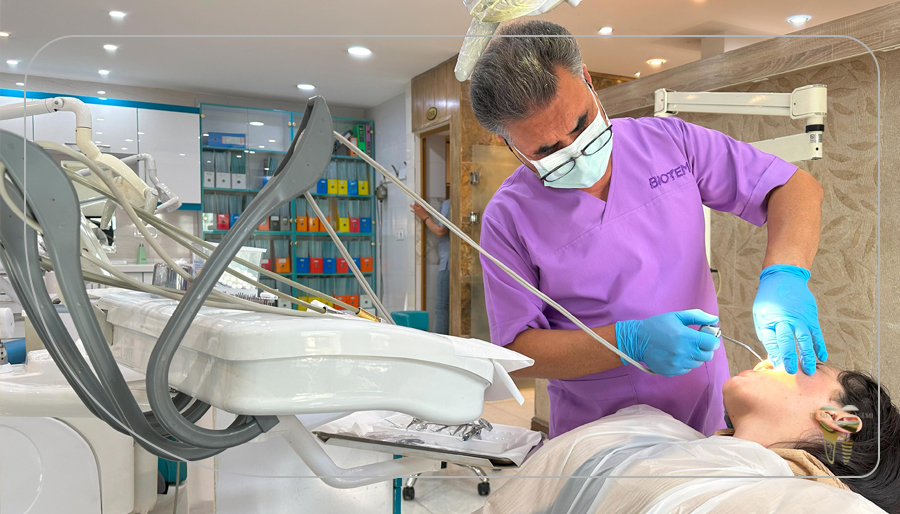
When contacting the office, please mention that you contacted us through the website.

Tooth extraction and its importance
Tooth extraction is one of the most common dental procedures, becoming necessary when a tooth is unrestorable or causes serious problems. The importance of tooth extraction lies in preventing chronic pain, infection, and maintaining overall oral health. If damaged teeth are not extracted in time, they may harm adjacent teeth and even the jawbone. Additionally, tooth extraction can help create more space in the mouth and, in some cases, smooth the path for orthodontic treatments.

Reasons for visiting a dental surgeon
Reasons such as complex infections, impacted teeth, or difficulty in removing wisdom teeth usually require the skill and experience of a dental surgeon. In such cases, the dental surgeon can use their expertise to choose the best surgical method to prevent potential problems and reduce pain and inflammation after the surgery. Visiting a dental surgeon is particularly recommended for wisdom teeth and impacted teeth, as these procedures require more specialization and care.
Causes of tooth extraction in children and adults
Tooth extraction in children and adults can have different reasons. In children, tooth extraction may be necessary due to damaged primary (baby) teeth, or the natural failure of baby teeth to fall out to allow the eruption of permanent teeth. In adults, reasons such as deep decay, root infections, severe fractures, and impacted or crowded teeth are considered common factors for tooth extraction.
What reasons cause a tooth to be extracted or surgically removed?
There are many reasons that may lead to tooth extraction or dental surgery. These reasons include severe tooth decay, infections that have spread to the roots and surrounding tissues, and impacted wisdom teeth that lack sufficient space to erupt. Also, tooth fractures or damage that cannot be repaired may necessitate surgery or extraction. In cases such as orthodontic treatments, tooth extraction helps to create more space for tooth alignment.
Types of tooth extraction and dental surgery methods
The methods of tooth extraction and dental surgery vary depending on the type and complexity of the tooth's condition. From simple, routine extractions to more complex surgeries, each is performed with its own specific techniques to minimize potential pain and damage while maintaining oral health. The choice of method is determined by the dentist or oral surgeon based on the tooth's condition and the patient's needs.
Simple and routine tooth extraction
In this method, the dentist uses specific instruments to easily remove the tooth without the need for a gum incision or complex surgery. This type of extraction is typically performed on visible and accessible teeth and is considered one of the quickest and least painful methods. This procedure is used for teeth that do not have severe decay and are not putting pressure on the jawbone or adjacent teeth.
Advanced dental surgery
Advanced dental surgery is performed for teeth that are difficult to access or are in special positions, such as impacted teeth, especially wisdom teeth. In this procedure, the oral surgeon may cut the gum to gain access to the tooth and, if necessary, divide the tooth into smaller pieces to facilitate its removal. Advanced dental surgery is performed by an oral surgeon due to the need for high precision and special care, and it is mostly used in cases where the tooth is adhered to the jawbone or where advanced infections are present.
Wisdom tooth surgery: necessities and methods
Wisdom teeth often remain impacted or partially erupted due to a lack of space for growth, which can cause problems such as pain, inflammation, and infection. Wisdom tooth surgery is performed in both simple and complex forms, and depending on the tooth’s location and condition, the surgeon may need to incise the gum and even the bone. This surgery is highly important for preventing damage to adjacent teeth and avoiding severe infections.
Impacted tooth surgery
An impacted tooth is a tooth that has not fully erupted under the gum or jawbone due to a lack of space. Impacted tooth surgery, especially for wisdom and canine teeth, is performed to prevent pressure on adjacent teeth and potential infections. This surgery involves incising the gum and sometimes removing a small portion of the bone to completely extract the tooth.
Ankylosed tooth (fused jaw) surgery
Ankylosed tooth or ankylosis is a condition where the tooth is fused to the jawbone and does not move, which can occur due to injury or abnormal growth. Ankylosed tooth surgery requires high specialization and precision and typically involves separating the tooth from the jawbone and sometimes repositioning parts of the jaw. This surgery helps to improve oral function and prevent secondary problems.
Dental surgery for crowns
In cases where a damaged tooth requires a crown and has excess tissue or structural issues, surgery for the crown is performed. This surgery helps to shape and prepare the tooth for crown placement, ensuring that the crown fits properly and securely onto the tooth.
Jawbone grafting surgery
Jawbone grafting is one of the key stages for patients who require dental implants but lack sufficient bone density in the jaw. This surgery involves adding graft material to the jawbone, providing a suitable foundation for implant stability and helping to preserve the jaw structure.
Apicoectomy (root infection treatment and root resection)
Apicoectomy is a method for treating tooth root infection and resecting a portion of the root, typically used when conventional root canal treatment is not effective. In this surgery, the dentist removes the infected part of the root and cleans the area. Apicoectomy helps preserve the tooth and prevents the need for its extraction.
Periodontal (gum) surgery
Periodontal or gum surgery is performed to treat problems with the gums and the tissues surrounding the teeth. This surgery helps reduce the depth of gum pockets, remove damaged tissues, and sometimes involves gum grafting. Periodontal surgery improves gum health and prevents jawbone deterioration.
Surgery for dental implants (referring to digital and non-surgical implants)
Dental implant is one of the modern methods for replacing missing teeth and can be performed in both traditional and digital ways. In the digital and non-surgical method, using new technologies and digital mapping, the implant is precisely placed in the desired location. This method involves less pain and recovery time, and offers a more accurate, bloodless result.
Dental surgery with laser
Laser dental surgery is one of the new and advanced methods for removing damaged tissues, reducing bleeding, and accelerating recovery. Laser can be used in treating root infections, gum surgeries, and even teeth whitening. Laser surgery is less risky, less painful, and highly precise, which helps the patient recover faster.
When contacting the office, please mention that you contacted us through the website.
Steps in tooth extraction and dental surgery
Initially, the dentist or oral surgeon examines the tooth’s condition using X-rays and a thorough examination to determine if extraction is necessary or if other treatment methods are available. This step helps the doctor choose the most appropriate method for the procedure. Before the process begins, the area around the tooth is completely numbed with a local anesthetic injection. This numbness helps the patient not feel any pain during the procedure and cooperate more comfortably with the doctor. For patients who have a fear of surgery or tooth extraction, sedation may also be used in some cases.
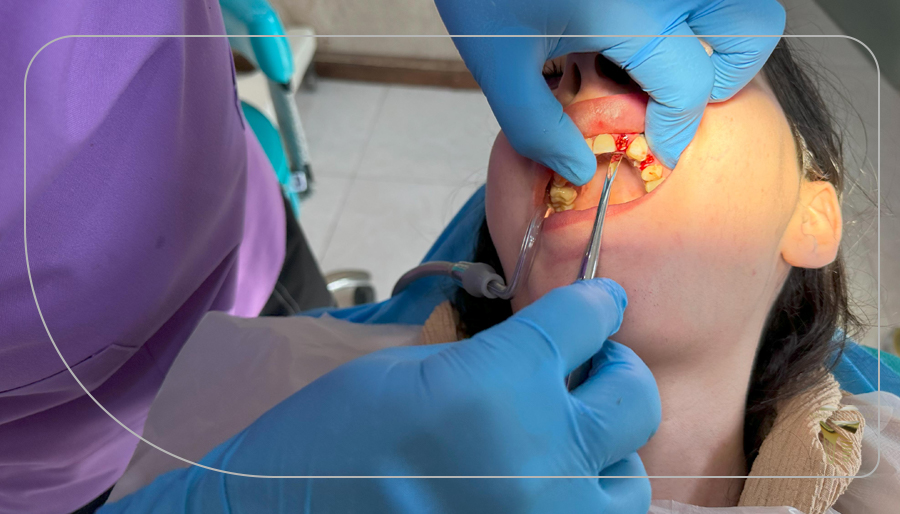
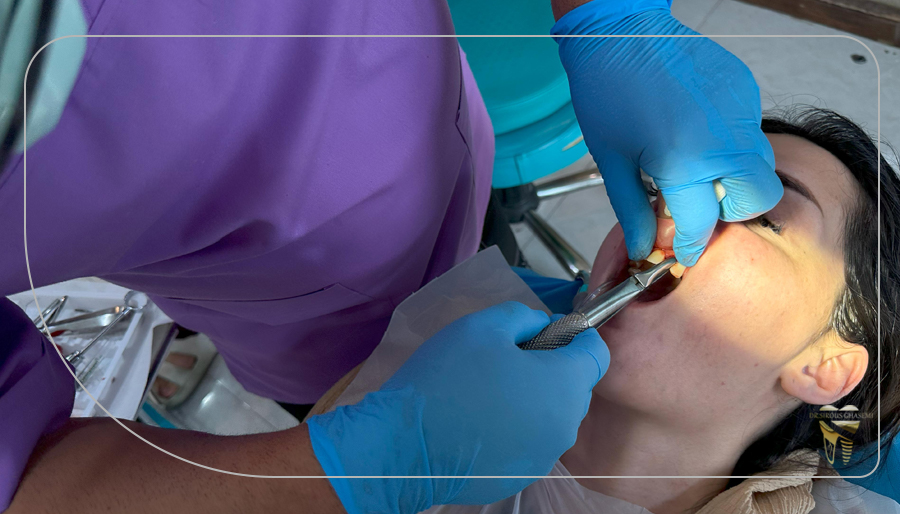
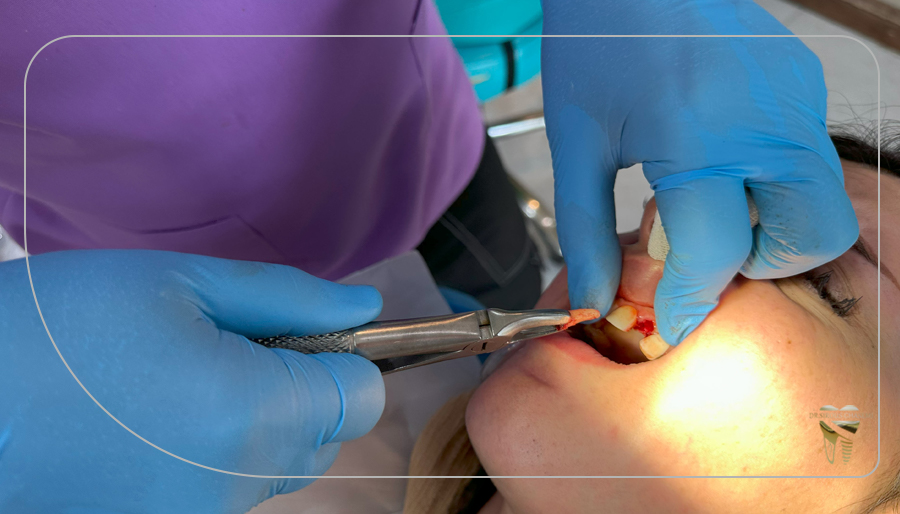
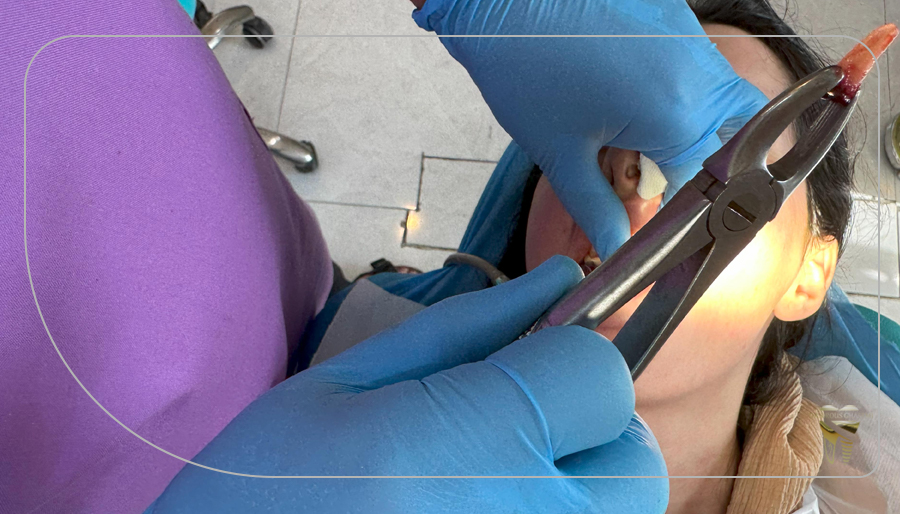
In the simple extraction method, the dentist gently removes the tooth using specific tools. However, if the tooth is more complex or impacted, surgery is required. In this case, the surgeon first incises the gum and, if necessary, removes a part of the jawbone to facilitate access to the tooth. Then, the tooth may be divided into smaller fragments and gradually removed. After the tooth is extracted, the surgeon closes the surgical area with special sutures to aid faster healing and prevent bleeding. If dissolvable sutures are used, there is usually no need for a follow-up visit to remove them.
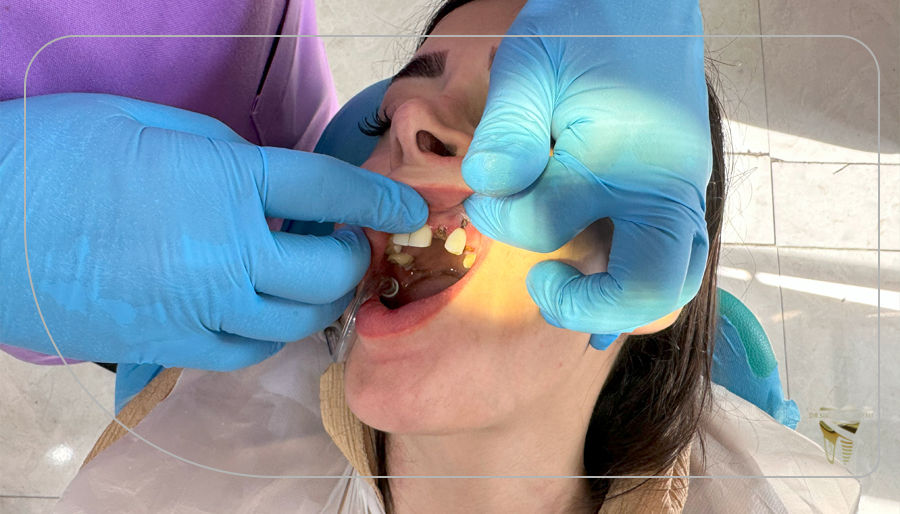
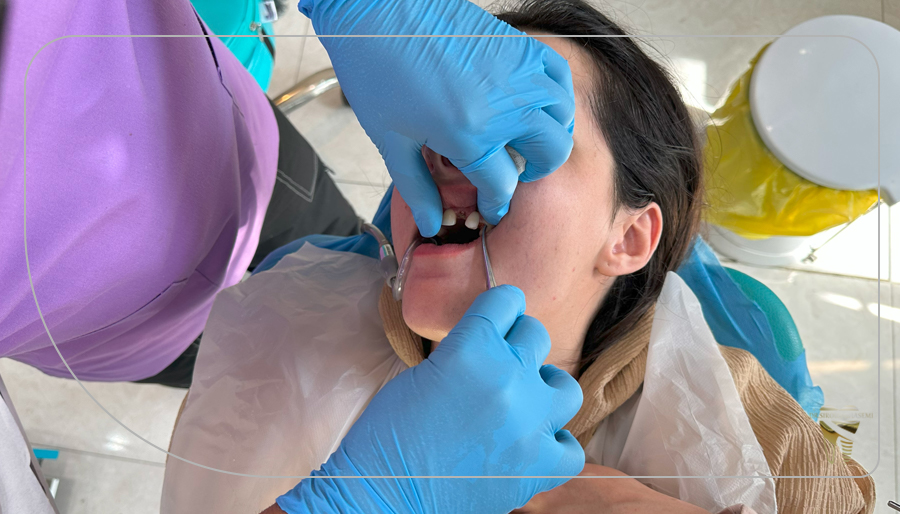
Preparation before tooth extraction and dental surgery
Preparation before tooth extraction or surgery is very important and helps reduce pain and speed up recovery. Before the procedure, the doctor asks the patient to inform them of their medical and drug history to prevent any potential complications. Also, the doctor usually gives recommendations, including fasting from food and drink for a few hours before the surgery, undergoing initial examinations, and sometimes taking X-ray images. This preparation helps the medical team manage the operation in the best way and ensure the patient’s comfort.
Anesthesia methods for tooth extraction and dental surgery
Anesthesia is one of the essential steps in tooth extraction and surgery, which helps reduce pain and soothe the patient. For this purpose, various methods are used, including local anesthesia and sedation. Local anesthesia involves injecting an anesthetic drug into the area around the tooth, and the patient only feels numbness in that region. In cases where the surgery is more complex or the patient is severely anxious, sedation with nitrous oxide gas or oral medications is also used so that the patient feels more relaxed. The choice of anesthesia type is determined based on the patient’s condition and needs.
Tooth Extraction Process: What You Need to Know
Tooth extraction is a relatively simple process that is performed quickly and accurately, but there are some details that the patient should be aware of. After anesthesia, the dentist gently removes the tooth from its socket using specific instruments. For greater ease, the tooth is sometimes divided into small pieces to be removed easily and without damaging the surrounding tissues. After the tooth is extracted, the patient must take care of the surgical area and follow the doctor’s recommendations to prevent infection and other potential complications.
Surgical steps for advanced tooth procedures and advanced techniques
Dental surgery can involve complex steps, especially for impacted teeth or those with structural problems. The stages of dental surgery include gum incision, sometimes removing a portion of the jawbone, and using specific tools to extract the tooth. With advancements in technology, more sophisticated techniques like laser surgery and the use of digital tools are now also employed, making the surgery less risky and shortening the recovery period. These novel techniques allow for surgery with greater precision and minimal tissue damage.
Potential complications and post-extraction and post-surgery care
Pain and swelling in the surgical area are common complications that typically subside within a few days. Using ice and the pain medication prescribed by the doctor can help alleviate this pain. Mild bleeding is normal during the first few hours. To control the bleeding, placing a sterile gauze pad over the surgical site and biting down on it is recommended. If the bleeding becomes severe, it is best to inform the doctor.
One of the potential complications is infection at the surgical site, which is accompanied by redness, severe pain, and discharge from the area. Maintaining oral hygiene and taking prescribed antibiotics can reduce the risk of infection. If the blood clot comes out of the socket, more severe pain occurs. Avoiding sucking motions and vigorous rinsing of the mouth can prevent this complication.
After surgery, it is best to avoid strenuous activities and get enough rest for faster healing. Eating soft and cold foods is also recommended for a few days. Hard or hot foods can irritate the surgical site and increase pain and infection. Finally, after 24 hours, rinse your mouth with warm salt water. This helps reduce swelling and keep the area clean.
Pain and inflammation after tooth extraction and dental surgery: Causes and treatments
Pain and inflammation after tooth extraction and dental surgery are common complications of this procedure. This pain and swelling are caused by damage to the tissues surrounding the tooth during surgery and gradually decrease over a few days. To control the pain, painkillers are usually prescribed by the doctor, and placing a cold compress in the first few hours can also help reduce inflammation. Using a warm compress after 24 hours can also aid blood circulation and pain reduction. Maintaining oral hygiene and avoiding spicy and hard foods during this period greatly help in reducing inflammation.
Bleeding and necessary care
Slight bleeding after dental surgery is normal, but if it is not controlled, it can be a cause for concern. To prevent heavy bleeding, a sterile gauze pad is placed on the wound immediately after surgery, and gentle pressure on it is recommended. Additionally, it is best to avoid vigorous rinsing of the mouth and using a straw for drinking during the first 24 hours so that the blood clot does not become dislodged. Sleeping with the head elevated and consuming soft foods are also effective in controlling bleeding. If bleeding persists excessively, a doctor should be consulted immediately.
Post-surgery infections and prevention methods
Post-dental surgery infections are complications that can cause severe pain and discomfort. These infections occur due to the presence of bacteria at the wound site and are often accompanied by redness, swelling, and pus discharge. To prevent infection, strict oral hygiene, rinsing with a saline solution, and taking antibiotics prescribed by the doctor are mandatory. Furthermore, abstaining from smoking and alcoholic beverages is also of great importance, as these can irritate tissues and exacerbate the infection.
Potential nerve damage and timely diagnosis
One of the rare but possible complications in dental surgery is nerve damage 🧠, which may lead to numbness or a tingling sensation in the lips, cheek, or tongue. This type of damage is more commonly seen, especially in cases of surgery for impacted wisdom teeth or when the tooth root is close to major nerves. Timely diagnosis of this damage is crucial, as some nerve injuries can improve over time, but some cases require specialist intervention. If you notice any unusual numbness after surgery, it is best to consult your dentist or surgeon immediately to check for the possibility of nerve damage.
Immediate care after tooth extraction and dental surgery
Immediate care after tooth extraction and dental surgery plays an important role in the recovery process and complication reduction. Immediately after surgery, the doctor usually recommends placing sterile gauze on the wound site and gently applying pressure to prevent bleeding. For the first 24 hours, avoid vigorous mouth rinsing and sucking, as this can dislodge the blood clot necessary for healing. Also, sleeping with the head elevated helps reduce swelling and bleeding. If bleeding continues, be sure to consult a doctor.
Proper nutrition after extraction and surgery: beneficial foods and drinks
Nutrition after tooth extraction and dental surgery is of high importance. Consuming soft and cold foods, such as yogurt, mashed potatoes, thin soups, and smoothies, helps soothe pain and prevent irritation of the surgical site. Also, cold drinks like water and natural fruit juices can help reduce swelling and pain. You should avoid eating spicy, hot, and hard foods, which may cause damage to the surgical site. Furthermore, be cautious with the consumption of sugars and sweets, as these substances can increase the risk of infection.
Allowed and prohibited activities after tooth extraction and dental surgery
After tooth extraction and surgery, some activities can accelerate or delay the healing process. In the first few days, complete rest is recommended, and strenuous activities and intense exercises should be avoided. Prolonged sitting and standing can also lead to pressure in the surgical area. However, you can engage in light and calm activities such as walking around the house. During this period, refrain from smoking and consuming alcohol, as these can disrupt the healing process.
Important recommendations for reducing complications and faster recovery
To reduce complications and accelerate the recovery process, observing certain tips is essential. The first and most important tip is following the doctor’s instructions and taking prescribed medications on time. Also, rinsing the mouth with warm salt water after 24 hours can help clean the area. If you notice symptoms such as severe pain, continuous bleeding, or signs of infection, you must promptly consult a doctor. Maintaining oral hygiene, including gentle brushing and avoiding the surgical area, can also help prevent infection and other complications. By following these tips and recommendations, you can achieve a faster and smoother recovery.
Costs of tooth extraction and dental surgery
The costs of tooth extraction depend on the type of extraction. For example, simple tooth extractions, where the tooth is visible normally, cost less than surgical extractions of impacted or complex teeth. In advanced surgeries, such as impacted wisdom tooth surgery or bone grafting surgeries, the costs significantly increase.
Also, the experience and expertise of the dentist influence the costs. More experienced dentists and oral and maxillofacial surgeons usually charge higher fees due to their specialized knowledge and skills. This cost may also include consultation, pre-surgical procedures, and post-operative care. Finally, some additional costs such as pre-operative tests, imaging (radiography), and prescribed medications should also be considered. These costs may be calculated separately and ultimately affect the total cost of the surgery.
Factors influencing the cost
The cost of tooth extraction and dental surgery is influenced by several factors, each of which affects the final price in some way. One of the most important of these factors is the type of surgery. For example, the extraction of impacted wisdom teeth will have a higher cost than the extraction of regular teeth due to the complexity and time required. Another important factor is the experience and expertise of the dentist. Experienced dentists and those with specific specializations usually charge higher fees because they have greater skills and knowledge for performing complex surgeries.
The geographical location also plays a significant role in determining costs. In urban areas and metropolises, dental costs are typically higher than in rural areas. Furthermore, the costs related to the facilities and equipment used in the clinic can also lead to an increase in prices. Finally, additional costs such as initial consultation, necessary tests, and imaging (radiography) should also be taken into account.
Comparison of costs in different clinics
Comparing costs across different clinics can help patients choose the best option. Each dental clinic may have different fee schedules for its services. These differences can result from the quality of services, the experience of the dentists, the available equipment, and even the clinic’s location. Some clinics may reduce costs by offering special discounts or service packages. Therefore, reviewing and comparing costs before undergoing any surgery is essential. Additionally, it is better to pay attention to the quality of the services provided, as the cheapest option is not always the best choice.
The cost difference between simple extraction and complex surgical methods
The cost difference between simple extraction and complex surgical methods is one of the key points in financial planning for dental treatments. Simple tooth extractions, which involve visible teeth, usually cost less, and the process is quicker and done without the need for special surgery. This type of extraction is mostly performed in dental offices, and the associated costs are typically lower.
In contrast, complex surgeries such as the extraction of impacted teeth, wisdom tooth surgery, and other cases require specific skills and more advanced equipment, which result in higher costs. These types of surgeries may require general anesthesia or even hospitalization, which naturally impacts the cost. Therefore, before proceeding with any type of surgery, consulting with the dentist and obtaining a cost estimate can help in making a better decision.
Alternatives for an extracted tooth
When a tooth is extracted for various reasons, there are several options for replacing it. Each of these options has its own advantages and disadvantages, which can be chosen based on the patient's individual needs and conditions. These options include dental implants, dental bridges, and removable dentures. We will examine each of these options in the following sections.
Dental implants: advantages and disadvantages
Dental implants are one of the most advanced and effective methods for replacing lost teeth. This procedure involves placing a titanium screw into the jawbone, which acts as the root of the new tooth, and then a dental crown is installed on top of it.
The advantages of dental implants include their natural appearance, function similar to natural teeth, and preservation of jawbone structure. Also, implants are permanent and do not require special care. However, the disadvantages include high cost, the need for surgery, and a long time for healing and fusing with the bone. Furthermore, not all patients are suitable candidates for implants and may not be able to undergo this procedure due to insufficient bone or specific medical conditions.
Dental bridges: applications and limitations
A dental bridge is another option for replacing extracted teeth, which is usually used when the adjacent teeth are in good condition. Bridges typically consist of one or more artificial teeth that are attached to the adjacent teeth, filling the gap.
The applications of a dental bridge include improving appearance, restoring chewing ability, and preventing the shifting of the jaw and adjacent teeth. This method is faster than implants and does not require surgery. However, its disadvantages include the need to shave down the adjacent teeth for bridge placement and the potential for damage to them over time. Additionally, bridges usually have a shorter lifespan than implants and may require replacement.
Removable dentures: types and characteristics
Removable dentures, as another option for replacing extracted teeth, are divided into two types: complete and partial. Complete dentures are designed for individuals who have lost all of their natural teeth, while partial dentures are suitable for those who have only lost a few teeth. The characteristics of removable dentures include their ability to be removed. These dentures usually have a lower cost compared to implants and bridges and are considered a suitable option for individuals who do not have sufficient jawbone structure. However, the disadvantages include an unnatural feeling when used, the need for adaptation, and the potential for the denture to slip or move while speaking or eating. Furthermore, dentures usually require regular replacement and maintenance.
Special services and specific conditions
Dental services have become increasingly diverse and specialized to meet the different needs of patients. In addition to common procedures such as tooth extraction and replacement, many dental clinics offer special services that can help improve the patient’s experience and treatment outcomes. These services usually include specialized treatments, modern methods, and specific conditions.
Complex dental surgeries for specific patients
Complex dental surgeries refer to treatments that require advanced dental expertise and skills. These types of surgeries are usually performed for patients with specific conditions or those who need special treatments. For example, individuals with impacted teeth, structural problems in the jaw, or advanced gum disease may require complex surgeries.
These surgeries include procedures such as impacted wisdom tooth surgery, jawbone grafting, and jaw reconstruction surgeries. These methods require precise planning and evaluation of the patient’s condition and may involve general or advanced anesthesia. These types of treatments can have a significant impact on improving the quality of life for patients, as they can reduce pain and discomfort and help improve the function of the teeth and jaw.
Installment treatment plans and other services
One of the main challenges in dental treatments is their high cost. For this reason, many clinics and offices offer installment treatment plans so that patients can pay for the treatment costs gradually and according to their financial capacity. These plans can help patients benefit from high-quality dental services without placing a heavy financial burden on them.
Installment treatment plans include options such as monthly payments, special discounts for initial payments, and even financial programs suitable for the specific conditions of each patient. These services not only help patients manage costs but can also give them greater peace of mind throughout the treatment process.
Is tooth extraction or dental surgery painful?
Tooth extraction or surgery is a stressful topic for many people, and one of their main concerns is whether the procedure will be painful. The reality is that the experience of pain during tooth extraction depends on various factors.
Initially, the dentist usually uses local anesthesia, which completely numbs the tooth extraction area. This means you will not feel pain during the procedure. However, you might feel pressure or discomfort during the surgery or extraction, which is also normal.
After the procedure, you may experience pain and swelling, which is usually controllable with prescribed or over-the-counter pain relievers. Also, following the dentist’s recommendations for post-operative care can help reduce pain and speed up the recovery process.
How long does it take to recover after surgery?
The recovery time after dental surgery can depend on various factors, including the type of surgery, your physical condition, and adherence to post-operative care. Generally, many patients begin to feel recovery within the first few days. During this time, you may experience some swelling and discomfort, which is normal and usually controllable with prescribed pain relievers. For simpler surgeries, such as regular tooth extractions, full recovery may only take a few days. However, in more complex cases, such as wisdom tooth surgery or other advanced procedures, this time may increase to one to two weeks or even more.
Can dental surgery be performed non-invasively?
Dental surgery can be performed non-invasively, and this is one of the significant advancements in the science of dentistry, allowing patients to benefit from effective treatments without the need for complex and invasive surgeries.
One of the non-invasive methods is the use of laser techniques. Laser surgery helps minimize damage to surrounding dental tissues and also reduces pain and bleeding. This method is particularly applicable in gum treatments, wisdom tooth surgeries, and even in addressing root problems. Additionally, in some cases, dentists can treat dental problems without the need for tooth extraction by using restorative methods such as filling or crowning the tooth.
How long after surgery can I eat normal food?
After dental surgery, one of the most common questions patients have is when they can return to their normal diet. Generally, the time to return to normal foods depends on the type of surgery and your healing status, but in most cases, it can be approached gradually.
In the first days following surgery, it is usually recommended to consume soft and cold foods. These foods include yogurt, purees, cold soup, and ice cream. These types of foods are not only easy to swallow but also prevent irritation of the surgical area.
After about 2 to 3 days, if there is no severe pain or discomfort, you can gradually add semi-soft foods to your diet. For example, foods such as cooked rice, boiled eggs, and steamed vegetables can be suitable options.
Generally, in less than a week, most patients can return to their normal diet, but keep in mind to do this gradually and cautiously. Also, be sure to pay attention to your dentist’s recommendations, and if you experience pain or discomfort while eating, it is best to return to a soft diet.
Is dental surgery dangerous during pregnancy or for children?
Regarding pregnancy, dental surgery is usually recommended in the second trimester, as health risks for both the mother and the fetus are lower during this period. Dentists typically use safe methods for anesthesia and pain relief, and many treatments such as tooth extraction or treatment of dental infections can be performed with caution. Of course, in these circumstances, it is important for the mother to consult with her dentist about her pregnancy status and any concerns she may have. Regarding children, dental surgery can be performed under specific conditions. Pediatric dentists may use non-invasive and low-pain techniques for treatment. Also, mild sedatives may be used to reduce anxiety and pain. However, for more complex surgeries, the doctor may recommend that these treatments be postponed until the permanent teeth have fully developed. In general, although dental surgery during pregnancy and for children may involve challenges, by considering the specific condition of each individual and consulting with a specialized dentist, these risks can be managed and necessary treatments can be achieved. For this reason, considering medical consultation is essential for any decision-making.
Conclusion and Summary
Dental surgery can be considered a necessary solution for various dental problems, but it must be performed with caution and awareness, especially in specific conditions such as pregnancy or in children. Despite the concerns that may exist in this field, advances in technology and new treatment methods enable dentists to meet their patients’ needs with minimal complications and pain.
Also, the importance of consulting with dental specialists in choosing the appropriate method and the right time for dental surgery cannot be overlooked. Understanding the types of procedures, the steps involved, and post-surgery care helps patients to recover faster and prevent potential complications. Ultimately, by observing hygiene tips and following necessary care, patients can quickly return to their daily activities and enjoy a healthy and beautiful smile. Therefore, sufficient awareness and information in this field are the key to the success of dental treatments.
Frequently Asked Questions about Tooth Extraction and Dental Surgery
Is tooth extraction painful?
Tooth extraction may involve some discomfort, but your doctor will use local or general anesthesia to minimize the pain. After the procedure, you may feel some pain and swelling, which can be managed with prescribed or over-the-counter painkillers.
How long does it take to recover?
The recovery time varies depending on the type of extraction or surgery and the patient’s individual condition. Initial recovery usually takes place within a few days, but full healing may take several weeks.
What should I do after a tooth extraction?
After a tooth extraction, you are advised to get enough rest, eat soft foods, and avoid strenuous activities. Additionally, maintaining good oral hygiene and taking prescribed medications are also essential.
Can I eat after a tooth extraction?
Yes, but it is best to use soft and cool foods in the first few hours after the procedure. Avoid hot, spicy, or hard foods to prevent damage to the extraction site.