Dental Services

How many sessions does dental composite treatment take, and how long does it last?

How many sessions does dental composite treatment take, and how long does it last?

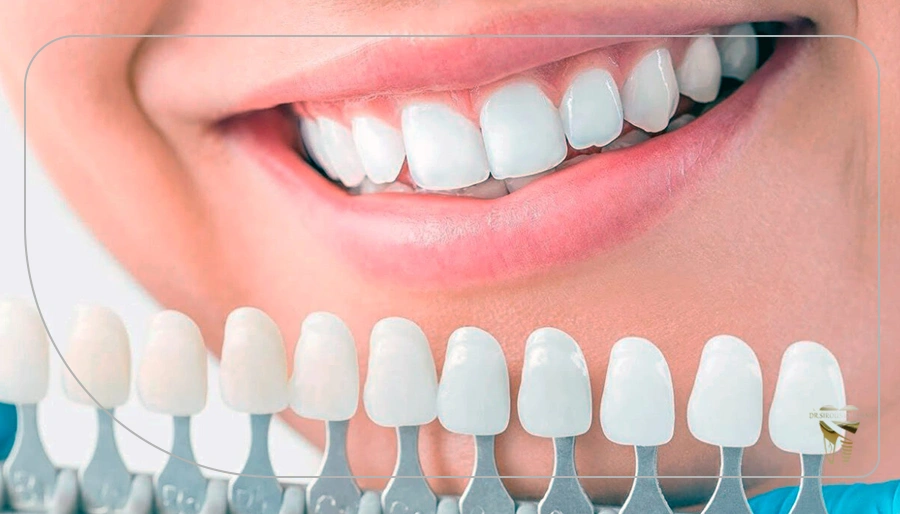
Dental composite is one of the most popular cosmetic and restorative treatments, improving both the appearance and function of teeth. One of the most common questions patients ask is how many sessions the treatment requires, how long it takes, and whether the process is time-consuming. The answer depends on the severity of the dental issue, the number of teeth being treated, and the dentist’s expertise. The duration of composite treatment varies based on the number of teeth, and at Dr. Siros Ghasemi’s clinic—where composite veneer services are provided in Shiraz—the procedure is performed in the shortest possible time with the highest quality. In this comprehensive guide, we review the number of required sessions, the duration of each session, and the factors that influence the total treatment time, so that patients can plan accurately and have realistic expectations of the final results.

How many sessions does dental composite treatment take?

The good news is that composite veneers are considered one of the fastest cosmetic dental procedures. Unlike more complex methods, they do not require weeks of waiting. In many cases, you can achieve a brighter and more harmonious smile in just a single session lasting a few hours.

Of course, if a larger number of teeth are involved or if preparation, prerequisite restorations, or more detailed smile design is needed, the treatment may be completed in 2 to 3 short sessions. These sessions typically include examination and smile design, tooth surface preparation, and the application of composite. In short, you leave the dental office with a more attractive appearance and greater confidence—without having to wait for long days. This is the magic of composite.

How many sessions does dental composite treatment take?

Factors Affecting the Duration of Dental Composite Treatment

The duration of composite treatment does not depend solely on the number of teeth being treated; several factors can speed up or extend the process. The more precision and detail involved, the more natural and long-lasting the final result will be. Below are the most important factors:

  • Number of teeth being treated:
    The more teeth that require composite, the longer the sessions will naturally take. Composite for 6 or 8 teeth is usually completed in a single session, but a larger number of teeth may require two sessions
  • Need for initial corrections or restorations:
    If the teeth have decay, significant chipping, or noticeable misalignment, these issues must be addressed first. This step may slightly increase treatment time but greatly enhances the durability and beauty of the final result.
  • Smile design and shade selection:
    To achieve a natural and harmonious appearance, choosing the right shade and performing proper smile design is essential. This stage includes consultation and a detailed evaluation of facial shape, lip form, and tooth position. Depending on the complexity of the case, it may take more time.
  • Type and quality of composite materials:
    Using high-quality composite materials that require precise layering often takes more time, but the result is exceptionally natural and long-lasting.
  • Skill and precision of the dentist:
    The experience and finesse of the dentist in shaping, polishing, and creating proper tooth proportions have a direct impact on both the duration and the quality of the final outcome. The more detailed and artistic the work, the more attractive the finished smile will be.

The duration of composite restoration

Restoring a composite tooth is usually faster and easier than the initial composite application. If the edge of a tooth is chipped, there is slight discoloration, or a small area needs rebuilding, typically 30 to 60 minutes per tooth is sufficient. But why is it so quick? Because the main structure of the composite is already in place, and the specialist only works on the damaged area—reshaping, adding a new composite layer, and finally polishing to create a completely uniform appearance.
In cases where the restoration is more extensive, such as a large fracture or major reshaping of a tooth, the process may take up to 90 minutes. In any situation, this is one of the biggest advantages of composite: if your smile is slightly damaged, you don’t need to wait for weeks; in a short session, your smile will shine again. The duration of composite restoration

Comparison of Composite and Veneer Treatment Duration

Dental composite is usually the speed champion. In most cases, the entire smile can be designed and completed in a single session lasting a few hours. This method does not require long impressions or laboratory work, as the materials are directly shaped on the teeth. The result? A new smile on the same day you leave the clinic.

In contrast, ceramic veneers require more precision and a detailed process. First, slight tooth reduction or surface preparation is done, then impressions are taken and sent to a laboratory. Fabricating the veneers usually takes 7 to 14 days. During this time, you wear temporary veneers until the final installation day arrives.

So, if you are looking for a fast result and minimal chair time, composite is the ideal choice. But if your priority is higher durability, greater strength, and a more natural shine, veneers are worth the wait. Ultimately, the choice between the two depends more on your preferences, dental condition, and expectations for your final smile than on speed.

Comparison of Composite and Veneer Treatment Duration

Comparison of Composite and Bleaching Treatment Duration

If you are in a hurry and want to change the shape, color, and form of your teeth in a short time, composite is the fastest route. Usually, just one session lasting a few hours is enough to deliver a new, well-designed smile. Composite not only brightens the teeth but also shapes the smile and covers imperfections.
In contrast, bleaching is suitable for individuals with healthy and well-aligned teeth who only want to make them a few shades whiter. This method produces a completely natural result but requires more patience. Bleaching is typically done in 1 to 3 sessions, each lasting 30 to 90 minutes. Additionally, periodic touch-ups may be needed to maintain the whiteness.

Item for comparison

Dental composite

Teeth Bleaching

Treatment Duration

Usually in one session

1 to 3 sessions

Duration of Each Session

2 to 6 hours (depending on the number of teeth)

30 to 90 minutes

When Results Are Visible

Same day, immediate

Same session, but gradual whitening

Need for Repeat or Maintenance

Not needed (with proper care)

May require repetition every few months to a year

Type of Change

Color change + shaping and cosmetic enhancement of teeth

Only whitening of tooth color

Free dental consultation by Dr. Ghasemi

When contacting the office, please mention that you contacted us through the website.

Dentistry of Dr. Sirous Ghasemi
How long does composite treatment take for each tooth?

How the condition of each type of tooth affects the composite treatment process

One of the important factors in shortening or lengthening the composite treatment process depends on the oral health and treatment needs of each person. The overall health of a person’s mouth and teeth, as well as the number of healthy and damaged teeth, determines the number of sessions required for veneers.

It is worth mentioning that the number of sessions for dental veneers is generally higher than for composites, because composite is crafted directly by the dentist, whereas veneers are fabricated in a laboratory.

Therefore, in both veneers and composites, oral and dental health play a significant role in prolonging the treatment duration. The more decay and damage the teeth have, the longer the treatment will take. There are two main stages of tooth decay:

  • Demineralization: In the first stage, you may notice small, white, chalky spots on your teeth. This occurs due to the breakdown of minerals in your enamel.
  • Enamel decay: If left untreated, the decay progresses and continues to break down the enamel. At this stage, cavities may become noticeable, and white spots may turn light brown.

According to the Cleveland Clinic website The stages of tooth decay are as follows:

There are two main stages of tooth decay:

Demineralization: In the first stage, you may notice small, white, chalky spots on your teeth. This occurs due to the breakdown of minerals in your enamel.
Enamel decay: If left untreated, tooth decay progresses and continues to break down the enamel. At this stage, cavities may become noticeable, and white spots may turn light brown.

Is CAD/CAM used in composite procedures?

In the classic composite method, the material is directly shaped and polished on your teeth. However, in newer techniques, sometimes the dentist uses CAD/CAM systems to fabricate the composite veneer in a laboratory or clinic. This allows for greater precision, more natural anatomy, and better durability.

When is CAD/CAM used in composite procedures?

  • Indirect Composite:
    In this method, a digital scan is taken, and the restoration is fabricated by the machine and then bonded to the tooth. The result is higher quality and greater durability.
  • Digital Smile Design (DSD):
    Before performing composite treatment, scans and design software are used to simulate the best smile shape.
  • Temporary mold and digital mock-up fabrication: This allows you to see and approve the final smile before starting the procedure.

Advantages of using CAD/CAM in composite treatment:

  • Exceptional precision in tooth shape and symmetry
  • Increased longevity and strength of the restoration
  • Fully customized smile design based on facial features and lips
  • Less chair time and more predictable results

Conclusion

Dental composite can be performed using conventional methods or with advanced technologies such as CAD/CAM, depending on the individual’s needs and conditions. While most treatments are done directly and manually, in cases where high precision, excellent anatomical form, symmetry, and long-lasting results are desired, using a digital system is a major advantage. In fact, combining the dentist’s skill with digital technology can create a more natural result and a more professional-looking smile. Choosing the appropriate method depends on specialized consultation, the condition of your teeth, and your expectations.

Frequently Asked Questions

Is CAD/CAM used for all composites?

No. Most composites are performed directly, and CAD/CAM is used only in special cases or for indirect composites.

What are the advantages of indirect digital composite?

This method provides greater precision, more natural anatomy, higher strength, and a more symmetrical smile.

Is digital composite more expensive?

Yes, it is usually slightly more costly because it involves advanced equipment, digital design, and more precise fabrication.

Is digital composite suitable for everyone?

Most people can use it, but for those seeking greater finesse and long-lasting durability, it is considered a more ideal option.

How can I know which method is better for me?

Be sure to get a specialized consultation before deciding, so the choice is based on your smile shape, tooth structure, and expectations.

Free dental consultation by Dr. Ghasemi

When contacting the office, please mention that you contacted us through the website.

Dentistry of Dr. Sirous Ghasemi

Leave a Reply

Your email address will not be published. Required fields are marked *