
Laminate articles

Is it possible to apply veneers or composite to a tooth that has already been crowned?
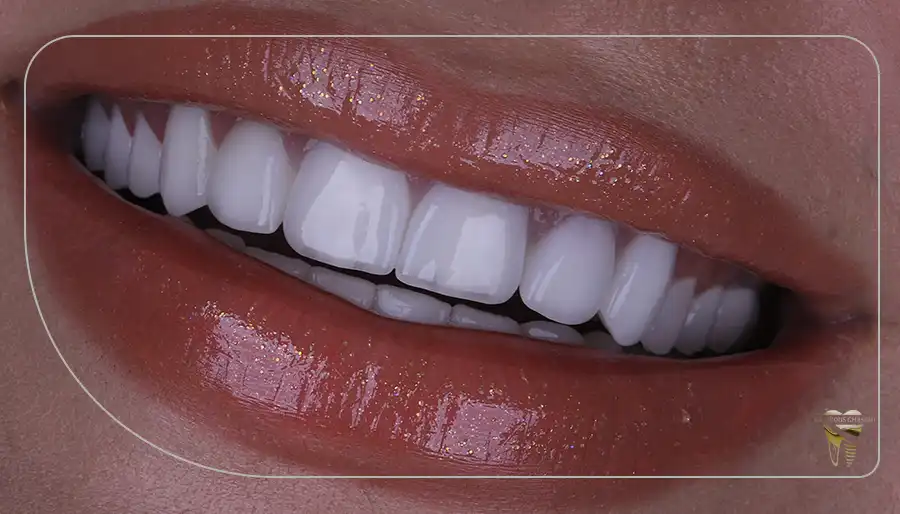
Laminating the coated tooth

Veneering an existing dental crown is an aesthetic procedure designed to enhance the appearance of your teeth. This technique allows for the application of veneers over previously crowned teeth to improve their visual appeal. During this process, a thin layer of medical-grade material, such as porcelain or composite resin, is bonded to the surface of the restoration. This layer acts as a facade, effectively concealing aesthetic concerns such as staining, fractures, diastemas, and irregular tooth morphology.

To assess the feasibility of applying veneers over existing dental crowns, consulting with a dental veneer in Shiraz can provide precise and professional guidance.

Free dental visit by Dr. Ghasemi

Special conditions and installment dental in Shiraz for our website patients.

Dentistry of Dr. Sirous Ghasemi

Is it possible to apply veneers to a tooth that has already been crowned?

If you have an existing dental crown and are considering veneers, your dentist must first evaluate the tooth’s condition. If the underlying tooth structure remains strong and healthy, and the current crown is still properly seated, applying a new veneer over it may be feasible. However, if the tooth is compromised or the existing crown has deteriorated, alternative treatments, such as a full crown replacement, may be necessary. Regardless of the condition, a professional consultation is essential to assess your clinical status and determine the most effective solution for enhancing your dental aesthetics.

In the bleaching process, chemical agents are utilized to reduce surface stains and discoloration, thereby enhancing the natural tooth shade. However, if the tooth has been crowned, bleaching may be less effective, as dental crowns are typically fabricated from materials such as porcelain or composite resin, which are resistant to whitening agents.

Is it possible to apply composite bonding to a previously crowned tooth?

According to Dr. Ghasemi, the best dentist in tooth composite in Shiraz:

If a crowned tooth requires repair or restoration, composite bonding can be a suitable option. Composite resin is a material that matches your natural tooth shade, allowing for modifications to the shape, size, and color of the existing crown. Your dentist can apply the composite in layers and then cure it into the desired form. This procedure is typically utilized in cases where the dental crown necessitates minor aesthetic or structural repairs.

Step-by-Step Procedure for Veneering a Crowned Tooth

Veneered dental composite

Veneering a previously crowned tooth is a highly specialized procedure aimed at creating a uniform, radiant, and natural smile without the need for a full crown replacement. The following are the steps involved in this process:

Steps

Description

Initial assessment

Assessing the structural integrity of the crown, screening for recurrent caries beneath the restoration, and evaluating the adequate thickness for veneer placement.

Determine the color and design

Accurate selection of color, form and transparency to harmonize with other teeth

Preparation veneer surface

Creating controlled roughness on the veneer surface to increase bonding strength

Impression Taking or Digital Scanning

Precise recording of dental dimensions and transfer to the laboratory for veneer fabrication.

Fabrication of Ceramic Veneers

Veneer design based on the predetermined shade, morphology, and thickness.

Laminate initial test

Verification of fit and minor adjustments prior to final cementation.

Bonding with Specialized Resin Cement

Permanent fixing of the laminate on the cover surface and final adjustment of the bite

Polishing and Finishing

The final polish to achieve high-gloss beauty and a natural-looking smile.

Care after laminate coated teeth

Care after laminate coated teeth Proper maintenance plays a crucial role in the long-term esthetics of your smile. Although veneers placed over existing crowns are highly durable, they still require meticulous care and proper habits to maintain their luster, structural integrity, and seamless integration.

۱. Maintaining oral hygiene
Maintaining optimal oral hygiene is essential after placing a veneer over a crown. Regular brushing with non-abrasive toothpaste, daily flossing, and the use of a mild mouthwash ensure that both the veneer surface and the gingival tissues remain healthy and translucent. Proper hygiene practices significantly reduce the risk of gingival inflammation around the restoration and prevent marginal staining at the interface of the veneer.

Is it possible to apply composite to a dental crown?

2. Avoid excessive pressure on the teeth
Veneers placed over crowns are known for their high durability; however, sudden and intense pressure can still cause damage. Habits such as opening packages with your teeth, nail-biting, bruxism, and biting down on extremely hard objects must be strictly avoided. If you suffer from teeth grinding, wearing a night guard is essential to prevent chipping or fracturing the veneer.

3. Dietary Considerations
To maximize the longevity of your veneers, avoid biting into extremely hard substances such as ice, crunchy rice crust (tahdig), or nuts with your front teeth. Additionally, intake of highly pigmented beverages like strong tea, coffee, and sodas should be moderated to prevent staining at the margins and the interface between the veneer and the crown. Opting for softer foods and cutting harder items into smaller pieces before consumption will significantly extend the lifespan of the restoration.

4. Attention to the durability and longevity of the laminate
When properly maintained, dental veneers placed over existing crowns can remain functional and aesthetic for many years. Regular dental check-ups, periodic polishing of the veneers, and monitoring the structural integrity of the underlying crown are essential. This maintenance ensures a stable bond, minimizes discoloration, and preserves the radiance of your smile for the long term.

Veneering is not recommended for teeth with existing crowns under the following conditions:

According to Dr. Sirus Ghasemi, a leading specialist in dental crowns in Shiraz:

Dental veneers are an exceptional aesthetic treatment; however, under certain circumstances, the procedure may not only fail to deliver the desired results but could also cause damage to the teeth or gingival tissues. Veneering is not recommended in the following cases:

  • Active Decay or Dental Infection
    When a tooth suffers from decay, pain, or root inflammation, primary treatments such as fillings, root canal therapy, or infection control must be completed before considering veneers.
  • Severe dental disorder
    If teeth are significantly crooked or severely crowded, veneers cannot correct the alignment, and the procedure may require excessive reduction of the tooth structure. In such cases, orthodontic treatment is necessary as a primary step.
  • Severe Dental Attrition (Bruxism)
    Individuals who suffer from chronic bruxism are at high risk of rapidly chipping or fracturing veneers. It is essential to manage this habit through the use of a night guard or specialized treatments before proceeding with the veneering process.
  • Inadequate Tooth Enamel
    Since veneers require a healthy enamel substrate for proper bonding, if the enamel has been compromised due to erosion or high acidic exposure, the bond strength will be jeopardized, leading to treatment failure.
  • Diseased Gums or Gingival Recession
    The presence of inflammation, bleeding, or gingival recession prevents veneers from achieving a natural appearance and can exacerbate underlying periodontal issues. Periodontal therapy must be completed prior to the placement of veneers.
  • Individuals with Destructive Oral Habits
    For those accustomed to chewing on ice, bones, or cracking nuts with their front teeth—or using their teeth as tools to open packages—the risk of damaging the veneers is exceptionally high.
  • Unrealistic Expectations of the Outcome
    If a patient expects “completely different teeth” or exaggerated cosmetic changes, veneers may not be the appropriate choice. In such instances, alternative methods, such as full dental crowns, should be considered instead.

An Introduction to Dental Crown Types and Their Characteristics

Dental crowning is one of the most essential procedures for restoring and strengthening damaged teeth; choosing the right type of crown can both enhance the aesthetics of your smile and guarantee functional durability for years to come. Each type of crown possesses unique characteristics, and the selection is made based on the tooth’s condition, the patient’s preference, and the budget.

  1. Metal Crown
    All-metal crowns are among the most traditional and durable restorative options. Their exceptional resistance to pressure, low susceptibility to decay, and long lifespan make them an ideal choice for posterior teeth. Their metallic and unnatural appearance is the only factor limiting their widespread use.
  2. All-Ceramic (Porcelain) Crowns
    All-ceramic crowns are a superb choice for individuals who prioritize aesthetics. These crowns offer the closest resemblance to natural teeth, mimicking the color, translucency, and texture of real enamel. While highly popular for anterior teeth, they possess less structural resistance compared to metal-based crowns.
  3. Porcelain-Fused-to-Metal (PFM) Crowns
    PFM crowns consist of a durable metal substructure layered with an aesthetic porcelain exterior. They offer a balance of high strength and a relatively natural appearance. Their primary drawback is the potential for a dark metallic line to become visible at the gumline over time; however, they remain one of the most common and cost-effective options available.

Can a Crowned Tooth Be Veneered?

  1. Zirconia Crowns
    Zirconia represents the next generation of dental crowns, offering a combination of metallic strength and ceramic aesthetics within a single structure. These crowns are exceptionally durable, suitable for both anterior and posterior teeth, and closely resemble natural dentition. Their high pressure tolerance and biocompatible, non-allergenic nature have made them the most popular choice in modern dentistry.
  2. Composite Crowns
    Composite crowns are made from composite resin and are primarily used for quick, economical restorations and limited aesthetic enhancements. Easy installation, affordability, and minimal tooth preparation are among their advantages; however, their strength and lifespan are significantly lower than those of other crown types.

Can the Color of a Dental Crown Be Changed?

In fact, one of the primary objectives of using dental restorations like veneers or porcelain crowns is to improve the color and appearance of the teeth. During the restoration or replacement process, a new shade can be selected and applied. To ensure an exact match, your dentist may use shade guides and consult with you regarding your personal preferences. Given that dental crowns are typically used to enhance aesthetics and create a beautiful smile, changing their color allows you to customize the shade of your teeth according to your desired look.


What do you know about dental gel veneers?

Gel dental veneers are a restorative procedure used to enhance the aesthetic appearance of teeth. This technique utilizes a combination of dental laminate and specialized gel materials to create a thin, translucent layer over the tooth surface.

In this process, a thin layer of dental laminate is first placed onto the tooth surface. A translucent gel, typically composed of polymer-based materials, is then applied over the laminate. Once applied, the gel is exposed to a specific curing light, triggering polymerization and hardening. This procedure results in a durable, transparent gel-like layer over the tooth.

Dr. Ghasemi's Digital Dentistry Clinic

The most advanced digital dentistry in Shiraz and Southern Iran.

Dentistry of Dr. Sirous Ghasemi

What are the pros and cons of placing veneers on crowned teeth?

Advantages:

  • Beauty improvement
    Veneering a crowned tooth can significantly enhance its aesthetic appearance. This procedure helps correct the color, shape, size, and alignment of the teeth, resulting in a more attractive and beautiful smile.
  • Preservation of Tooth Structure:
    One of the key advantages of dental veneers is that they require minimal removal of the natural tooth structure compared to other restorative procedures. This allows for significant aesthetic improvements while preserving as much of the healthy tooth material as possible.

Disadvantages:

  • High Cost:
    One of the factors that may deter individuals from choosing dental veneers is the high cost. The financial investment required for this procedure is typically substantial and may not be accessible to everyone.
  • Irreversibility:
    The placement of dental veneers involves the removal of a very thin layer of tooth enamel, a process that is irreversible. In other words, once the veneers are placed, the changes cannot be undone, and the teeth will typically require permanent restoration or future replacement.

Conclusion

As previously mentioned, dental veneers can significantly enhance aesthetic appearance, correct dental imperfections, and increase the strength and durability of the teeth. This approach is highly popular among those seeking to apply veneers over existing dental crowns. For the best results, it is recommended to consult with Dr. Sirus Ghasemi, a specialist in dental veneers in Shiraz.

Free dental consultation by Dr. Ghasemi

When contacting the office, please mention that you contacted us through the website.

Dentistry of Dr. Sirous Ghasemi

Leave a Reply

Your email address will not be published. Required fields are marked *