Dental Services

Is it possible to have a wisdom tooth removed without surgery and pain?
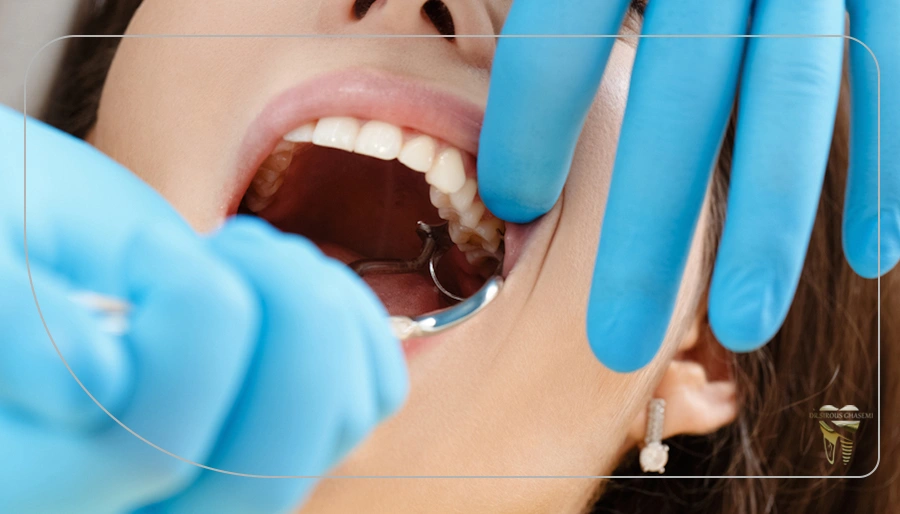
Simple wisdom tooth extraction

For many people, wisdom tooth extraction is considered one of the most frightening dental procedures. These hidden teeth at the back of the jaw sometimes grow in without any issues and fit perfectly, but in other cases, they can cause pain and serious problems that require removal or even surgery. You might be wondering: can a wisdom tooth be removed without surgery? Is complex surgery always necessary, or can it be done using simpler methods? Below, we explore the conditions, techniques, and important considerations for We’ll discuss removing a wisdom tooth without the need for surgery.

Is removing a wisdom tooth necessary?

Removing a wisdom tooth isn’t always necessary and depends entirely on how the tooth grows and the condition of each person’s jaw. If the wisdom tooth grows fully, straight, and without putting pressure on nearby teeth—and it can be properly cleaned—removal usually isn’t needed. But for many people, limited space causes the wisdom tooth to grow impacted or partially impacted, leading to problems like pain, gum inflammation, decay in the adjacent tooth, or infection. In these cases, removing the wisdom tooth is a preventive measure to avoid more serious issues later on.

Is it possible to remove a wisdom tooth without surgery?

In most cases, removing an upper wisdom tooth is simpler and less troublesome than a lower one. This difference mainly comes down to bone structure and the tooth’s growth path. The upper jaw bone is usually softer, and wisdom teeth in this area often grow in straighter and more fully, making non-surgical removal quicker and recovery faster when needed.

On the other hand, lower wisdom teeth are more prone to being impacted or coming in crooked. The bone in this area is denser, and the tooth’s proximity to the lower jaw nerve can make things a bit more complicated. That’s why, even if a lower wisdom tooth has partially erupted, there’s a higher chance it’ll need surgery. Of course, the final call is always made after an exam and X-rays, but generally speaking, when it comes to a simple extraction without surgery, upper wisdom teeth are usually much easier to deal with.

Is it possible to pull a wisdom tooth without surgery?

When can a wisdom tooth be pulled without surgery?

Getting a wisdom tooth pulled can be a nerve-wracking experience for many people, especially if they think they’ll need surgery. But the good news is that in some cases, wisdom teeth can be removed without any surgery at all, making the process quick, easy, and virtually painless.

If your wisdom tooth has grown in properly and is in a good position, there’s a high chance it can be pulled without surgery. Basically, when the tooth has fully broken through the gum line and isn’t crowding your other teeth, the dentist can easily remove it using standard tools. This process usually takes much less time than people expect, and in most cases, you’ll only need local anesthesia.

Also, if the wisdom tooth is partially impacted—meaning part of it is hidden under the gum but enough is still accessible—your dentist might be able to remove it without full-blown surgery. In this case, a tiny incision in the gum and the right tools are usually all it takes to get the tooth out easily. On the other hand, if the tooth is fully impacted and there’s just no room to reach it, surgery might be necessary. In these situations, it’s best to see a specialist to get a clear picture of what’s going on and figure out the best way to handle the extraction.

Non-surgical methods for wisdom tooth extraction

Non-surgical methods for wisdom tooth extraction

Getting a wisdom tooth pulled can be a bit of a challenge, especially if it’s impacted or partially impacted. However, in many cases, dentists can remove these teeth and fix the issue using non-surgical methods. Here are some of the ways this is done:

  1. Local Anesthesia: The first step in a simple wisdom tooth extraction is applying local anesthesia. This allows the dentist to numb the area around the tooth so you won’t feel any pain during the procedure. This way, the wisdom tooth can be easily removed from its socket.
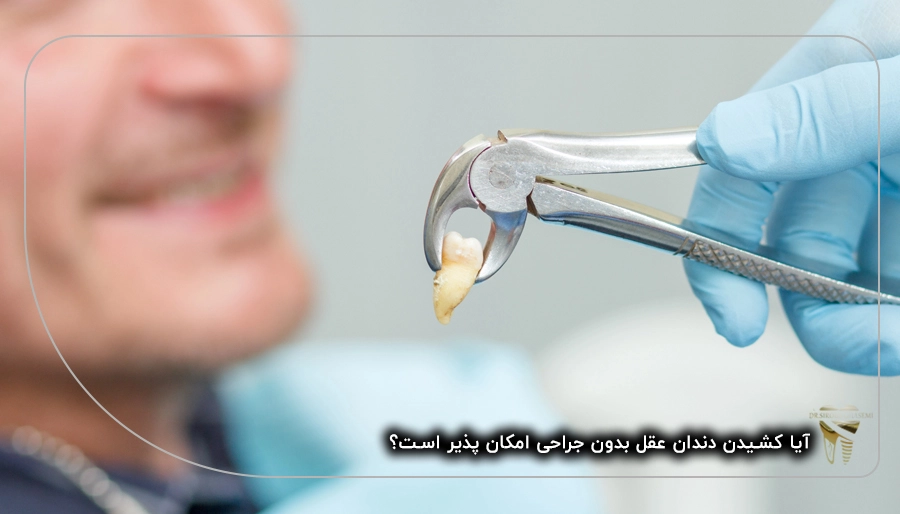
  2. Using specialized tools: Dentists usually use specific instruments like forceps and elevators to gently wiggle and rotate the tooth out of its socket. These tools allow the dentist to remove the tooth without damaging the surrounding tissue or needing to cut into the gums.

Potential side effects of non-surgical wisdom tooth extraction

Wisdom tooth extraction is usually painless and straightforward, especially when the tooth has grown in fully and is in a good position. However, even with non-surgical extractions, there are some potential side effects to keep in mind. The most common one is soreness and discomfort around the extraction site. This usually lasts for a few days and can be easily managed with pain relievers prescribed by your dentist.

Along with the pain, you might notice some swelling and bruising around your gums and face. This is totally normal and usually clears up within a few days. However, if the swelling or pain feels excessive or won’t go away, it’s a good idea to check back in with your dentist.

Another potential side effect is infection. While the risk is lower with a simple extraction compared to surgery, bacteria can still get into the wound. To keep this risk low, it’s really important to follow good oral hygiene after the procedure. You might also notice an unusual taste or smell in your mouth coming from the healing site. This is usually temporary and will clear up as you follow your aftercare routine and take any prescribed medications.

The Dentist’s Role in Determining if You Need Surgery or a Simple Wisdom Tooth Extraction

Dentists play a key role in diagnosing and treating wisdom teeth. When you visit the dentist, one of the first things they do is check the status of your wisdom teeth. By reviewing your medical history and performing a thorough exam, the dentist can identify any issues that might mean it’s time for an extraction.

One of the main tools dentists use for this is dental X-rays. These images allow the dentist to see the exact position of the wisdom teeth, how they’re growing, and how they’re affecting the neighboring teeth. This information helps the dentist determine if the wisdom tooth has come in normally or if it’s fully or partially impacted.

If your wisdom tooth is coming in straight and in the right spot, your dentist might decide that surgery isn’t necessary and a simple extraction will do the trick. On the other hand, if the tooth is growing in at an odd angle, crowding other teeth, or causing pain and infection, they’ll likely recommend surgery as the best way to handle it.

Benefits of non-surgical wisdom tooth extraction

Benefits of non-surgical wisdom tooth extraction

Getting a wisdom tooth pulled can be a nerve-wracking experience for many people, but non-surgical methods offer significant benefits that can make the whole process much better for the patient. Here are some of those advantages:

  1. The first and probably most important benefit is the reduction of pain and discomfort. Since simple wisdom tooth extractions are usually done under local anesthesia, you won’t feel any pain during the procedure. This makes the whole experience much more comfortable and manageable.
  2. The second advantage is a shorter treatment time. Non-surgical wisdom tooth extraction is usually much faster and skips the complex steps of surgery. This means patients save time and can get back to their daily routine a lot sooner.
  3. Another advantage is the lower risk of side effects. While surgical wisdom tooth removal can come with complications like bleeding, infection, or damage to surrounding tissue, non-surgical methods are generally much safer, giving patients more peace of mind.


Post-extraction care tips for a simple wisdom tooth removal

First, use sterile gauze. Right after the extraction, your dentist will place a piece of sterile gauze over the site. You should bite down gently and keep it in place for about 30 to 45 minutes to help the bleeding stop. If it’s still bleeding after that, you can swap it for a fresh piece. Another thing to keep in mind is your oral hygiene. For the first few days, avoid brushing directly over the extraction site. You can still gently brush the rest of your teeth, though. After 24 hours, you can start lightly cleaning the area with a soft-bristled toothbrush.

As reported by Rouydad24:

Partially impacted wisdom teeth, which have partially broken through the gum, can usually be pulled like a regular tooth without needing surgery. These are much simpler to remove and don’t require any incisions or stitches. However, if the wisdom tooth is fully impacted or is damaging the neighboring teeth, surgery is necessary.

Factors affecting recovery time after non-surgical wisdom tooth extraction

As reported by IronwoodDental:

Several factors can influence how quickly you recover from a non-surgical wisdom tooth extraction, including:

  • Age and Health: Younger individuals tend to heal faster than older adults. Overall health and immune system strength also play a role.
  • Oral hygiene: keeping your mouth clean helps prevent infections and speeds up healing.
  • Diet: Eating soft, nutritious foods and staying hydrated can aid recovery.
  • Aftercare Compliance: Following post-extraction instructions from your dentist is crucial for a smooth recovery.
  • Pre-existing Conditions: Conditions like diabetes or immune system disorders may slow healing.

Tips for a Smooth Recovery

  • Follow Post-Extraction Instructions: Your dentist will provide specific guidelines to ensure proper healing.
  • Apply Ice Packs: Using ice packs on your cheek in the first 24 hours can help minimize swelling.
  • Eat Soft Foods: Stick to easy-to-chew foods for a few days to avoid irritation.
  • Avoid Straws and Smoking: These actions can dislodge the blood clot and lead to a dry socket, a painful condition.
  • Maintain good oral hygiene: Gently brush your teeth and rinse your mouth with salt water after

Translating the text above into Persian:

Several factors can affect how quickly you recover after a non-surgical wisdom tooth extraction, including:

  • Age and general health: Younger patients usually bounce back faster. Your overall health and how strong your immune system is also play a big part in your recovery.

  • Oral hygiene: Keeping your mouth clean helps prevent infection and speeds up the healing process.

  • Diet: Sticking to soft, nutritious foods and staying well-hydrated can help you heal a lot faster.

  • Following aftercare instructions: Closely following your dentist’s post-extraction guidelines is vital for a smooth and trouble-free recovery.

  • Pre-existing medical conditions: Health issues like diabetes or immune system disorders can slow down the healing process.

Tips for a smoother recovery

  • Follow your post-extraction instructions: Your dentist will give you specific guidelines to make sure you heal properly.

  • Using an ice pack: Applying an ice pack to your cheek for the first 24 hours helps bring down the swelling.

  • Stick to soft, easy-to-chew foods for the first few days to keep from irritating the extraction site.

  • Avoid straws and smoking: These can dislodge the blood clot and lead to a painful condition called dry socket.

  • Keep your mouth clean: Gently brush your teeth after the first 24 hours and rinse with warm salt water.

Conclusion

Simple wisdom tooth extraction can be a quick and hassle-free experience, as long as you follow the aftercare tips carefully. It’s also very important to take your prescribed medications and check in with your dentist if any issues pop up. By following these recommendations, you’ll recover faster and more comfortably while avoiding potential complications. Ultimately, consulting with your dentist will help you make the best decisions for your oral health and ensure a positive experience throughout the extraction process.

Free dental consultation by Dr. Ghasemi

When contacting the office, please mention that you contacted us through the website.

Dentistry of Dr. Sirous Ghasemi

Leave a Reply

Your email address will not be published. Required fields are marked *