
Blog
Relieving Wisdom Tooth Pain: Quick At-Home Remedies
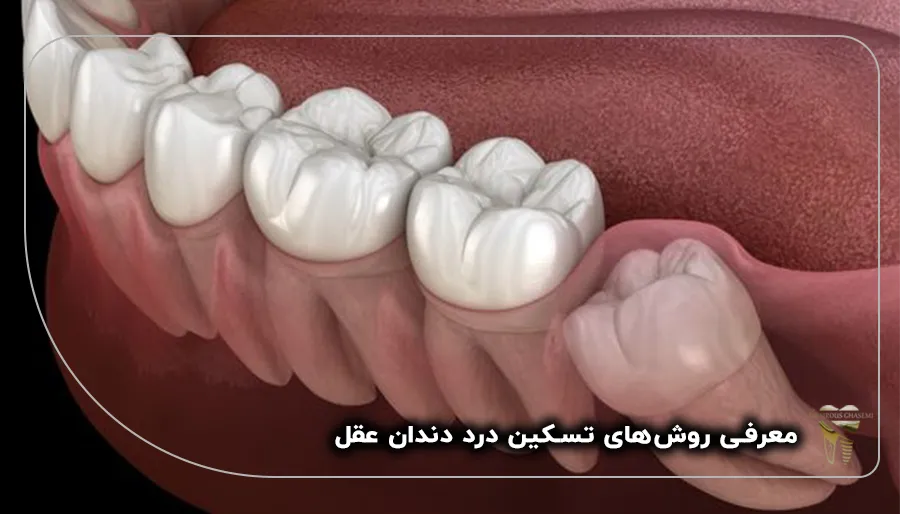
Symptoms of Wisdom Tooth Pain
Wisdom tooth pain can occur in different forms and intensities, and each person may experience it differently. However, in most cases, wisdom tooth pain is known as a sharp pain localized in the affected area, sometimes radiating to the adjacent teeth. Some people may feel the pain as a throbbing sensation around the wisdom tooth. This pain usually becomes more intense when chewing food, moving the jaw, or even speaking. The most common symptoms include:
- Gum inflammation and bleeding
- Jaw swelling and pain
- Bad breath
- Severe headache
- Difficulty opening the mouth
- Fever and infection
- Sensitivity to hot and cold

What are the home remedies for wisdom tooth pain?
Wisdom tooth pain can be sudden and intense, but simple home remedies can provide quick and temporary relief until you visit a dentist. These methods aim to reduce inflammation, numb the painful area, and decrease pressure on the gums — all without the need for strong medications.
- Rinsing with warm salt water: Warm salt water helps reduce gum inflammation and removes bacteria from around the wisdom tooth.
- Using a cold compress: Applying a cold compress to the cheek near the painful tooth reduces swelling and temporarily numbs the pain.
- Over-the-counter pain relievers: Safe medications like acetaminophen can help reduce pain, preferably with a doctor’s or dentist’s advice.
- Avoiding hard and sticky foods: Eating soft and cool foods reduces pressure on the wisdom tooth and helps lessen the pain.
- Using clove oil: Applying a small amount of clove oil to the gum has anti-inflammatory and numbing properties that relieve pain.
- Keeping teeth and gums clean: Gentle brushing and flossing help reduce bacteria and prevent the pain from getting worse

Clinical Treatment of Wisdom Tooth Pain
Clinical treatment for wisdom tooth pain becomes necessary when home remedies and simple care cannot control the pain, or when symptoms such as infection, severe swelling, and damage to adjacent teeth appear. The dentist first performs a clinical examination and takes radiographic imaging to assess the tooth’s position, the type of problem, and the level of pressure or inflammation.
For impacted or infected wisdom teeth, treatment usually involves extracting the wisdom tooth or performing minor gum surgery to relieve the pressure and pain caused by improper growth. In cases where the wisdom tooth can be saved, treatment may include deep gum cleaning, root canal therapy, cavity restoration, and prescribing antibiotics to control infection.
During clinical treatment, the use of anti-inflammatory drugs and prescribed painkillers helps control pain and reduce swelling. Importantly, clinical treatment not only provides immediate relief but also prevents long-term issues such as chronic infection, damage to neighboring teeth, or jaw cysts. Therefore, visiting a specialized dentist at the right time is key to maintaining the health of your wisdom teeth and your smile.
Get to know the different types of wisdom tooth eruption!
Because of their position at the back of the jaw, wisdom teeth can grow in different ways, and each eruption type may cause unique pain and complications. Understanding these eruption types helps you choose the right prevention and treatment methods and avoid potential discomfort and problems.
- Full and healthy eruption: The wisdom tooth comes out completely and without obstruction, settling in a normal position. Pain and discomfort in this case are usually mild and temporary.
- Partially impacted eruption: Only part of the tooth’s crown emerges from the gum while the rest remains underneath. This condition can cause gum inflammation, mild to moderate pain, and bacterial buildup.
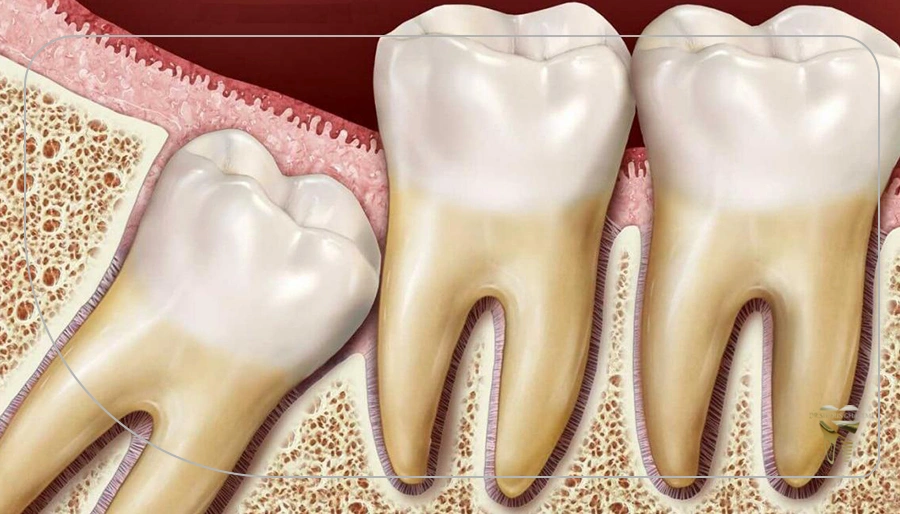
- Horizontally impacted eruption: The wisdom tooth grows horizontally or at an angle, pressing against the adjacent teeth. This type often causes severe pain, swelling, and usually requires surgical removal.
- Incomplete vertical or angled eruption: The wisdom tooth grows at an abnormal angle compared to other teeth, potentially causing pressure, long-term pain, and decay in neighboring teeth.

What is the prevention of wisdom tooth pain?
Maintaining good oral hygiene — including regular brushing, flossing, and rinsing with antibacterial mouthwash — reduces bacterial buildup and gum inflammation around the wisdom tooth. In cases where there isn’t enough space for the wisdom tooth to grow or the tooth is impacted, the dentist may recommend preventive extraction to avoid pain, infection, and damage to adjacent teeth. Additionally, avoiding very hard or sticky foods and managing your diet can reduce pressure and inflammation caused by wisdom tooth eruption. With a combination of home care, regular check-ups, and professional guidance, wisdom tooth pain can be minimized while keeping your teeth and gums healthy.

In such cases, your dentist may decide to perform wisdom tooth surgery or a procedure such as extraction. Therefore, to maintain wisdom tooth health and prevent related issues, consistent oral hygiene is essential — including regular mouth rinsing, using an appropriate toothbrush, eating healthy foods, and visiting the dentist regularly for checkups and cleanings.
The Positivesabz Pharmacy Magazine website states the following regarding toothbrush head size:
Toothbrush heads are available in a wide range of sizes on the market. However, choosing a toothbrush with a head that is not too large allows better access to different areas of your mouth. Many dentists recommend using a round-headed toothbrush, which has no extra angles and fits easily into all parts of the mouth, including the back teeth. Overall, the shape of the toothbrush head should be comfortable for you, making brushing an enjoyable experience.
In any case, it is always best to consult your dentist to assess the specific condition of your wisdom teeth and provide guidance and treatment tailored to your situation. Your dentist can give a more accurate diagnosis based on your individual circumstances and determine the appropriate treatment.