
Root canal treatment in Shiraz
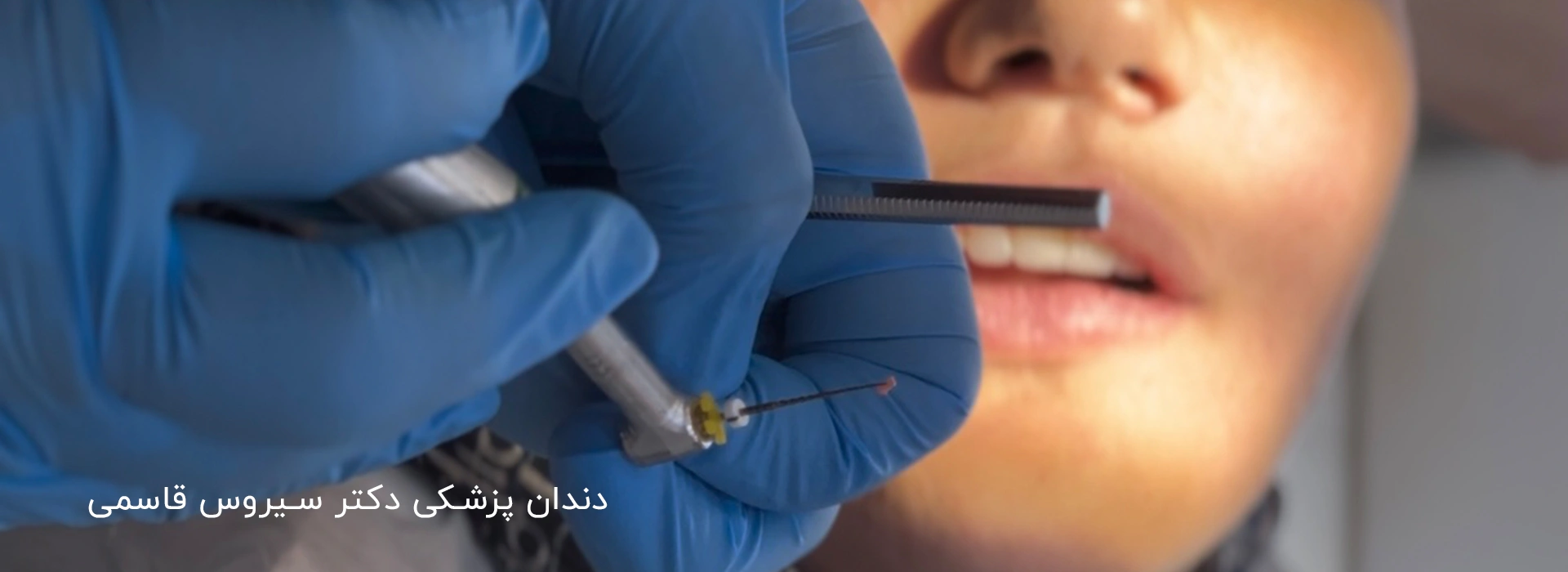
The best root treatment canal dentist in Shiraz
Root canal treatment is one of the vital treatments for saving damaged teeth that many people find themselves needing. If you are looking for an effective and reliable treatment for your teeth in Shiraz, this procedure can be a suitable option for you. Root canal treatment is performed to prevent severe infections and tooth loss, and with the help of advanced techniques, the pain and discomfort caused by dental issues are reduced. In Shiraz, with the presence of specialist dentists equipped with modern technologies, you can benefit from these services in the best possible way. If you are seeking professional root canal treatment in Shiraz, you can also benefit from cosmetic services such as dental laminates in Shiraz, dental composites in Shiraz, and dental implants in Shiraz alongside it, ensuring both the health and beauty of your teeth simultaneously.
What is root canal treatment?
During this procedure, the dentist first numbs the tooth and then accesses the interior through a small opening to remove the infected or damaged pulp. Once the root canal is thoroughly cleaned and disinfected, the void is filled with specialized materials to prevent reinfection. Finally, the tooth is restored, allowing it to function normally again.
This treatment is typically essential to prevent tooth loss, enabling patients to preserve their natural teeth even when facing severe dental issues. Root canal therapy helps alleviate pain, eliminate infection, and restore the tooth’s normal function.
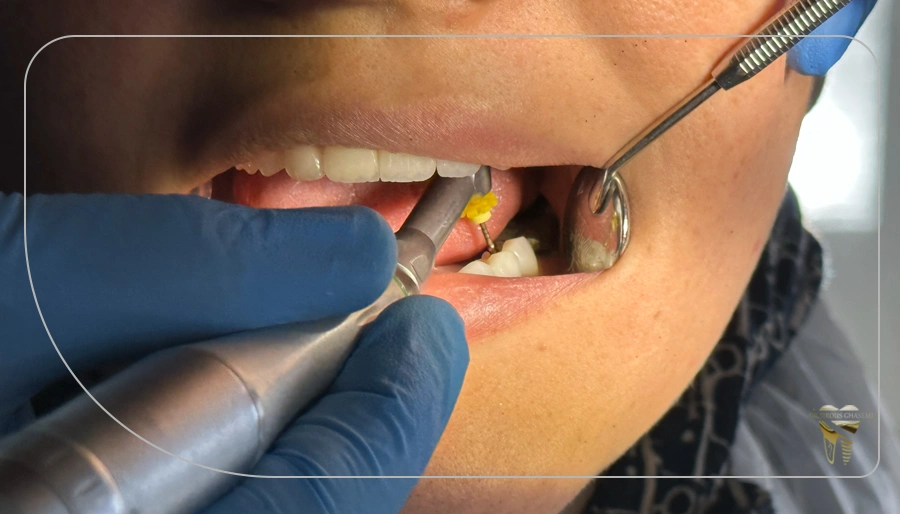
Free Consultation for Root Canal Treatment
Special conditions and installment dental in Shiraz for our website patients.

Why do we need root canal treatment ?
Root canal treatment is an essential dental procedure that may be required for various reasons. This treatment is primarily performed when the soft tissue inside the tooth, known as the pulp and nerve, becomes damaged or infected. Here are some of the main reasons why you might need a root canal:
- Nerve Infection or Inflammation: One of the most common reasons for a root canal is an infection or inflammation of the dental pulp. This condition usually stems from severe tooth decay that has penetrated the inner layers of the tooth, causing intense pain and infection.
- Tooth Trauma: Teeth that are damaged due to accidents or severe impact may suffer from fractures or cracks that compromise the dental nerve.
- Severe and Persistent Pain: Constant, lingering pain is often caused by inflammation or infection within the dental nerve.
- Severe Tooth Decay: When decay penetrates the tooth’s inner chamber (pulp) and damages the nerve, root canal therapy becomes necessary.
- Preventing Further Infection: If an infection reaches the dental pulp and remains untreated, it can spread to the jawbone and other surrounding tissues.
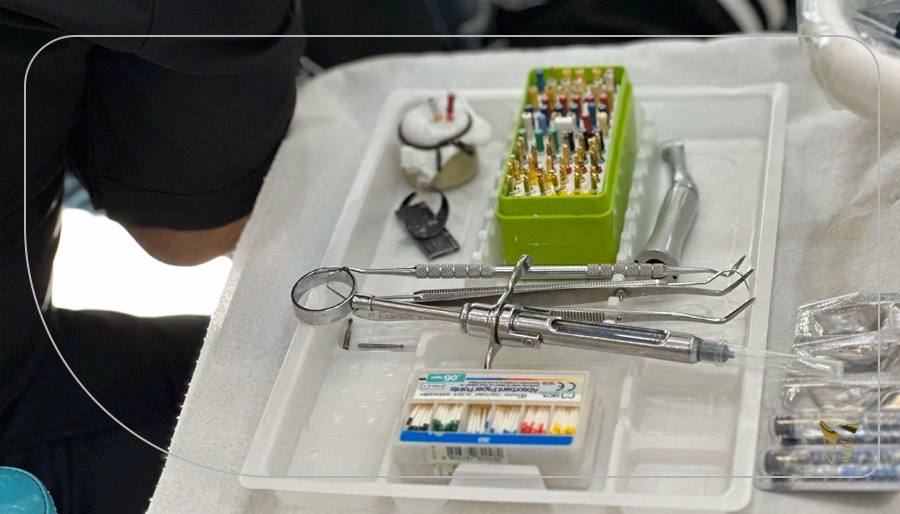
Steps of Root Canal Treatment
Root canal treatment is a complex procedure that requires precision and careful attention. This process is typically performed in several stages to save the damaged tooth from infection and restore its natural function. Here are the different stages of root canal treatment:
Local Anesthesia Injection
Prior to beginning the root canal procedure, the dentist administers a local anesthetic to numb the treatment area. This ensures that the patient remains comfortable and pain-free throughout the process. Precise anesthesia of the tooth and surrounding gums guarantees patient relaxation during every stage of the treatment.
Dental pulp removal
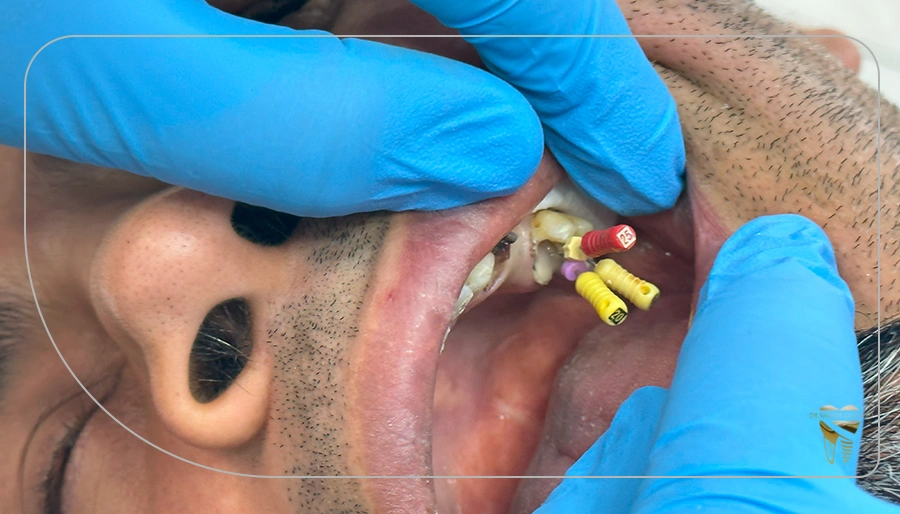
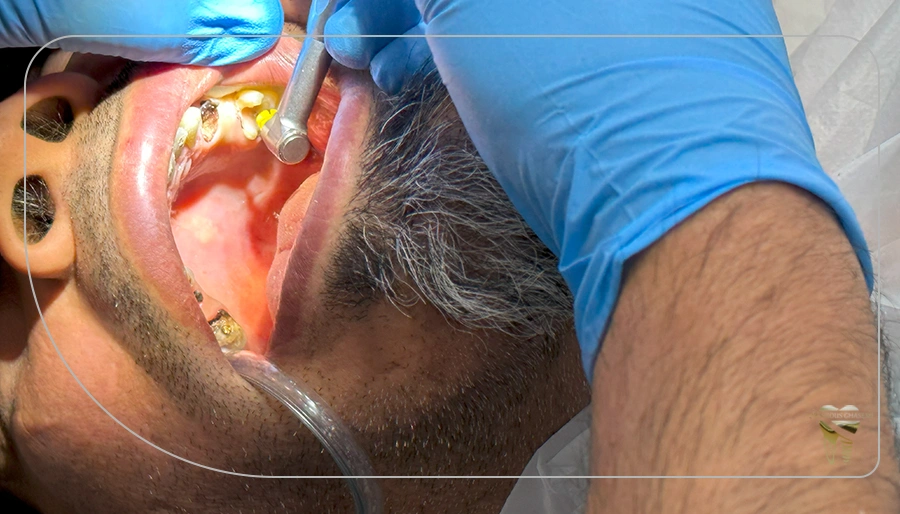
After administering local anesthesia, the dentist uses specialized instruments to completely remove the infected pulp and dental nerve that have been destroyed due to infection or trauma from inside the tooth. This step is essential to prevent the spread of infection and to thoroughly clean the internal space of the tooth.
Cleaning the canals
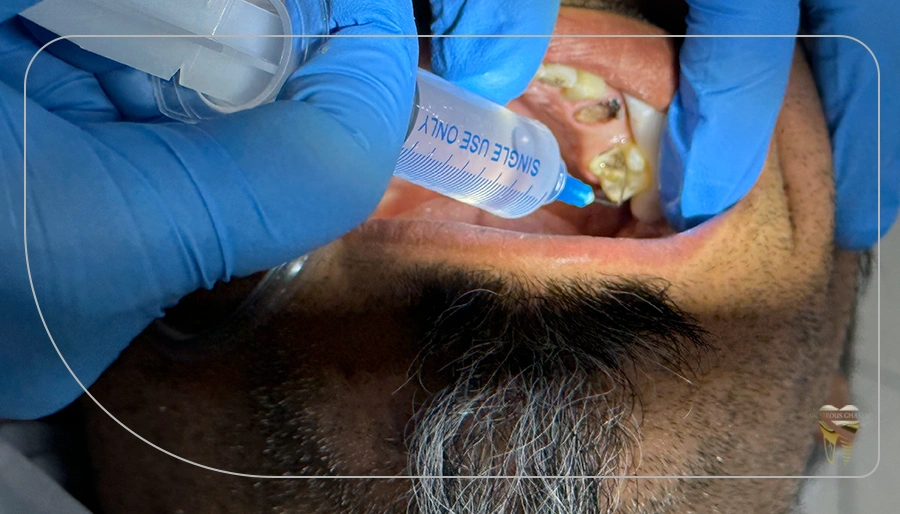
After pulp removal, the dentist carefully cleans and disinfects the root canals. This procedure is performed to eliminate any bacteria and necrotic tissue inside the tooth’s root canals. Cleaning the canals helps prevent future infections and creates a healthy environment for filling the canals.
Root canal filling
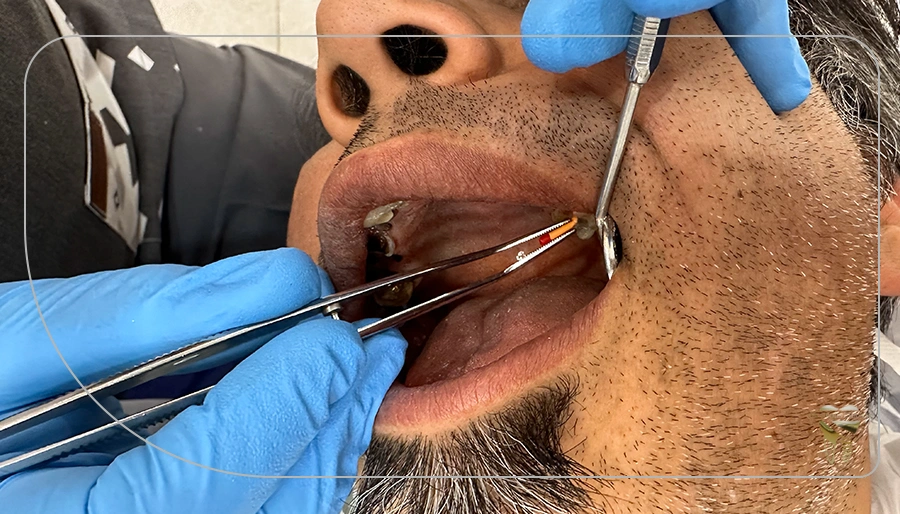
After cleaning and drying the canals, the dentist fills them with specific materials to prevent bacteria from entering the root. This step is vital for maintaining tooth health and preventing new infections. The filling materials are typically gutta-percha or similar substances with disinfecting properties.
Post and crown placement
In some cases, especially when the tooth is severely damaged, the dentist may place a dental post after root canal treatment to reinforce the tooth and maintain its strength. The tooth is then restored with a crown to return its natural shape and durability. Crowns are made from durable materials that closely match the natural tooth.
Types of dental root canal treatment methods in Shiraz
Dental root canal treatment is generally performed using various methods, each suitable for specific conditions. These methods include conventional root canal therapy, pediatric root canal treatment, laser-assisted root canal therapy, and root canal treatment for teeth with complex structures. The choice of the appropriate method depends on the tooth’s condition, the extent of damage, and the patient’s circumstances. In all cases, the goal of these methods is to preserve the natural tooth and prevent new infections.
In dental root canal procedures, there are generally two main types:
- Simple root canal treatment (Conventional Root Canal Treatment):
This type of root canal treatment is used for teeth that have deep root infections or severe decay. In this method, the dentist completely removes the dental nerve from the roots and root canals. The internal space of the roots is then filled with a specialized material known as a root filling.
- Root canal treatment using electronic length measurement (Electronic Apex Locator-Assisted Root Canal Treatment):
This is a more advanced method performed using a device called an Electronic Apex Locator. This device accurately measures the length of the root canal and helps the dentist determine the exact depth of the root. This method reduces measurement errors and increases the precision of the root canal treatment. The other steps of the procedure are similar to conventional root canal treatment.
Both of the above root canal methods are used to relieve deep pain, root inflammation, severe decay, and treat root infections. The choice of the appropriate root canal method is determined based on the tooth’s condition and the dentist’s recommendation.
Root canal
The root canal is the inner part of the tooth that contains nerves and blood vessels. When the dental pulp is damaged or infected, specific treatments such as root canal therapy are required to clean and treat this part of the tooth. During the treatment, the root canals are cleaned of infections and bacteria to prevent further damage and ensure protection against reinfection. Proper and precise filling of these canals with specialized materials is crucial for the tooth to maintain its natural function.
Pulpotomy and Pulpectomy
Pulpotomy and pulpectomy are two different methods for treating dental pulp problems:
- Pulpotomy: In this method, only the damaged portion of the dental pulp is removed, while the healthy remaining part is preserved. This treatment is usually performed when only a small part of the pulp is affected and the tooth can still maintain its healthy portions.
- Pulpectomy: This method involves the complete removal of the dental pulp from the root canal. It is necessary when the pulp is entirely damaged or infected. In this procedure, all of the tooth’s pulp is removed, and after cleaning and disinfecting the canals, they are filled.
Laser treatment
Laser treatment is an advanced and modern method for dental procedures, especially in sensitive processes like root canal therapy. In this method, a laser is used as a tool to clean the root canals and remove the dental pulp. Laser treatment offers higher precision and can help reduce pain, bleeding, and recovery time after the procedure. It also effectively eliminates bacteria and accelerates the healing process. This technology enables dentists to perform treatment with minimal damage and optimal results.
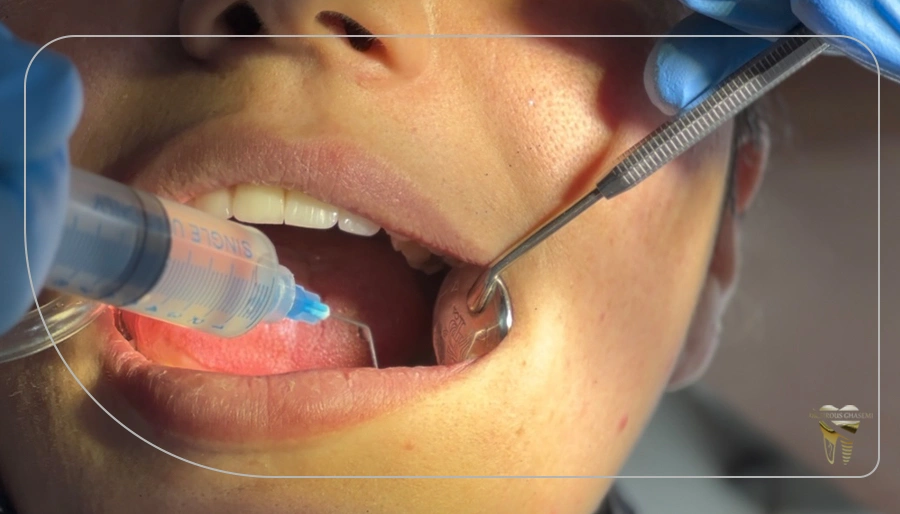
Does root canal treatment cause pain?
One common question from people planning to undergo root canal treatment is whether the procedure is painful. Contrary to popular belief, root canal treatment is generally not very painful. Thanks to significant advancements in dental techniques and equipment, the procedure is usually more comfortable than expected.
- Initially, a local anesthetic is administered to completely numb the treatment area, ensuring that the patient feels no pain during the procedure. The anesthesia is often so effective that, in some cases, patients do not feel anything during the various stages of the root canal treatment.
- During the treatment, the patient may experience slight pressure or mild discomfort, but these sensations are usually due to the force applied while cleaning or filling the root canals and are not painful. Additionally, thanks to modern techniques and effective anesthetic materials, post-treatment pain is minimized.
- If the patient experiences pain during the root canal procedure, they should immediately inform the dentist so that the anesthesia can be adjusted. Overall, with proper care and the use of advanced techniques, root canal treatment is nearly painless for most patients and can be comfortably tolerated.
Post-root canal care
After a root canal, especially during the first few days, it is recommended to avoid chewing with the treated tooth. This helps protect the tooth and any temporary crown. It is advisable to consume soft and cold foods such as yogurt, puree, and soup. Applying a cold compress during the first 24 hours can help reduce swelling. Maintaining oral hygiene after a root canal is very important. In addition to brushing, using dental floss and mouthwash is essential to prevent potential infections. Therefore, for a few days after the root canal, avoid hot and spicy foods. It is better to choose cold and soft foods that put less pressure on the tooth. Usually, after a root canal, a temporary crown is placed to protect the tooth. It is essential to follow the dentist’s recommendation for placing a permanent crown, as it protects the tooth from fractures and further damage. Smoking after a root canal can slow the healing process and increase the risk of infection. Therefore, it is recommended to avoid smoking for a few days after the treatment.
The cost of root canal treatment in Shiraz
Influencing factor | Brief explanation |
Type of tooth | Front teeth: lower cost; back teeth: higher cost due to more canals |
Number of canals | The more canals there are, the greater the complexity and cost. |
Severity of tooth damage | The need for a post, buildup, or crown increases the cost. |
Dentist’s experience | Specialists and professional clinics charge higher fees. |
Geographical location | Major cities and central areas usually have higher costs. |
Additional services | Consultations, follow-up checkups, and imaging can increase the cost. |

Risks and complications of root canal treatment
Root canal treatment is a common dental procedure that helps save a damaged tooth and prevent further infection. However, like any medical treatment, it may involve risks and complications. These risks can arise due to the complexity of the procedure or the specific conditions of each patient.
- One of the most common complications after a root canal is pain and discomfort, which may last for a few days. This pain is usually caused by inflammation in the treated area but can be managed with painkillers prescribed by the dentist. In some cases, if the pain is more severe than usual, further follow-up and evaluation may be necessary.
- Infection is another risk associated with root canal treatment. If the procedure is not performed completely and accurately, or if the dentist cannot thoroughly clean all the canals, an infection may persist and spread to the surrounding tissues. This issue is usually treatable with prescribed antibiotics.
- Tooth fracture can also occur after a root canal. After the pulp is removed, the tooth becomes weaker and may be damaged by excessive pressure or trauma. For this reason, dentists usually recommend placing a crown after a root canal to strengthen the tooth and reduce the risk of fracture.
- Damage to surrounding tissues is another potential risk. In some cases, the instruments used to clean the canals may harm the tissues around the tooth. Although rare, this can lead to infection or inflammation in the area surrounding the tooth.
- Tooth loss can also occur if the treatment is not performed properly or if the dentist cannot eliminate all infections. This may result in the need for tooth extraction, which is always considered a last resort.
The most advanced digital dental clinic in Shiraz and southern Iran
Retreatment of a previously root canal-treated tooth
- Retreatment, also known as re-endodontics or repeat root canal therapy, is necessary when the initial root canal was incomplete or the tooth becomes reinfected and painful.
- Reinfection, incomplete previous treatment, or post-treatment damage are the primary reasons for requiring endodontic retreatment.
- In this method, the tooth is reopened, the canals are thoroughly cleaned and disinfected, and then refilled.
- Retreatment is more complex than the initial root canal and requires greater precision and time.
- The cost of this treatment is usually higher because it requires more advanced equipment and greater skill to thoroughly clean the canals.
- Performing the treatment with specialized tools such as dental loupes and digital imaging increases the chances of success.
- In many cases, retreatment can save the tooth and prevent extraction, provided an experienced dentist is chosen.
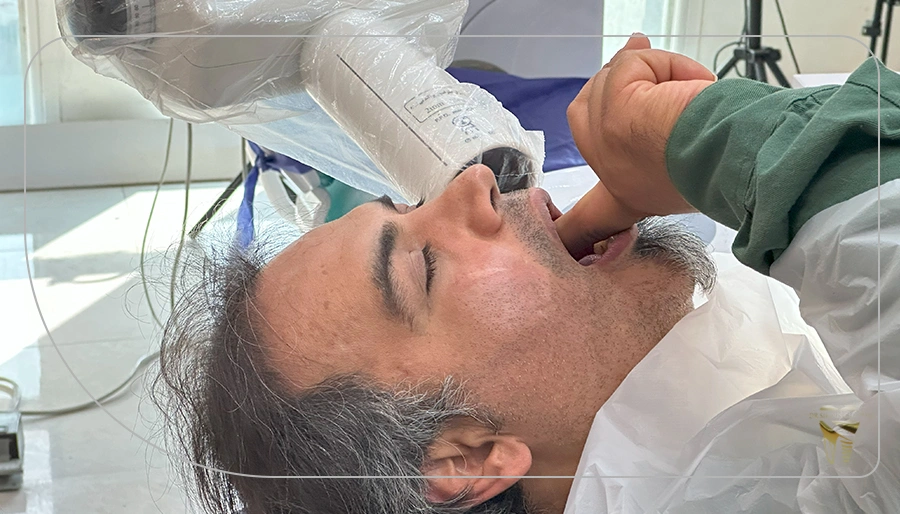
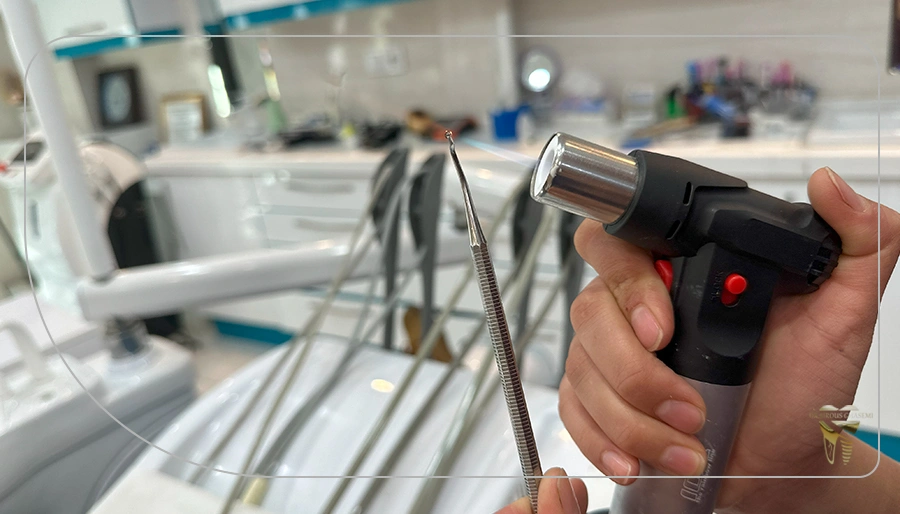
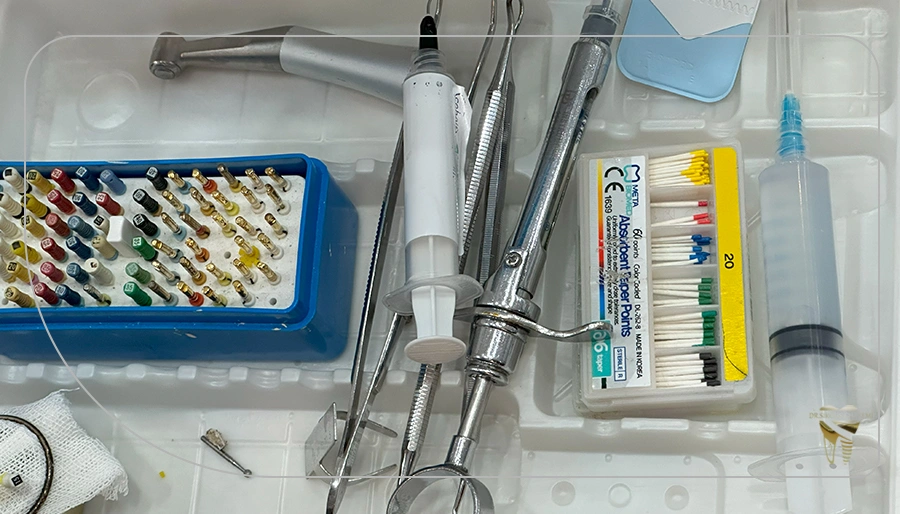
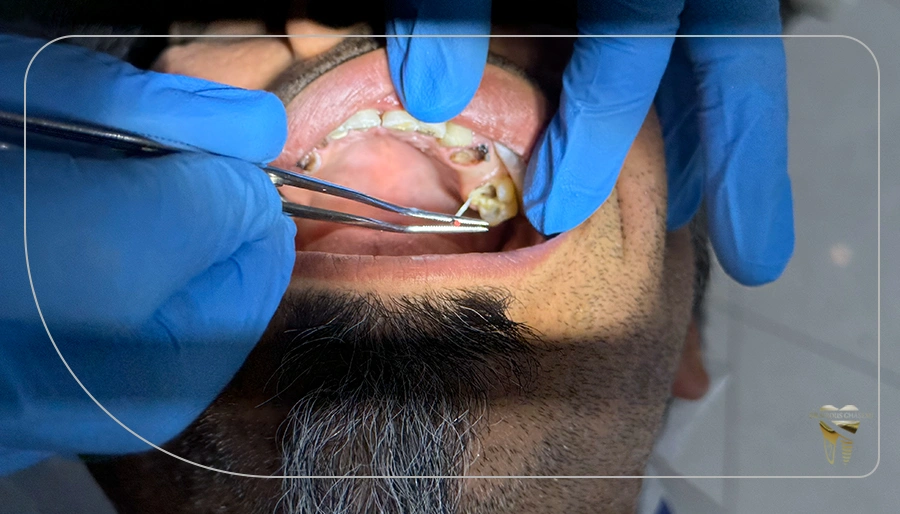
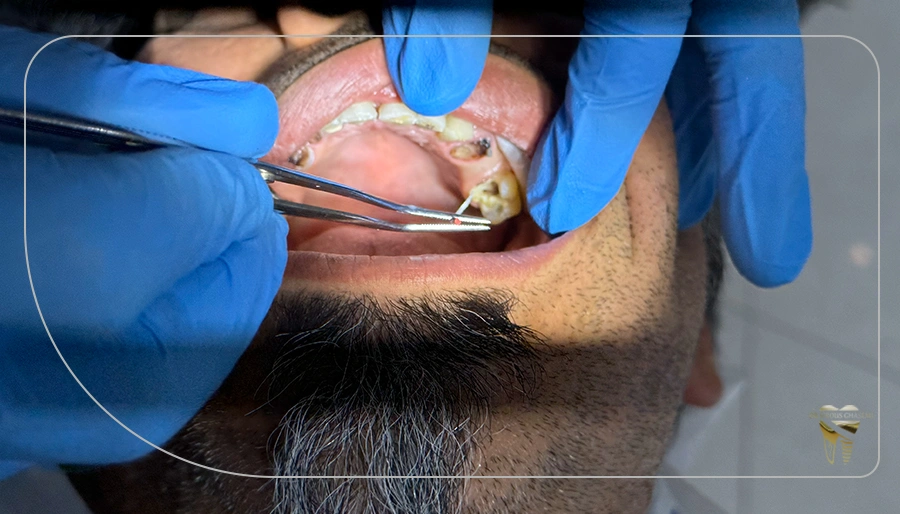
Does root canal treatment cause pain?
Root canal treatment is a common dental procedure that many people may feel anxious about. However, with advancements in dentistry and the use of local anesthesia, this treatment is performed completely pain-free. During the procedure, the dentist numbs the treatment area precisely with anesthetic drugs, so you feel no pain. After the treatment, you may experience slight sensitivity or mild pain in the tooth, which is usually quickly relieved with painkillers prescribed by the dentist. Overall, there is no need to worry about pain from a root canal, as the procedure is carried out professionally and comfortably. For more information, read the article on pain after root canal treatment.
How long does it take for a tooth to heal after a root canal?
The recovery time after a root canal treatment depends on several factors. It is normal to experience tooth sensitivity for a few days following the procedure, which typically subsides within 24 to 48 hours. In most cases, once the tooth is properly restored, it heals completely, allowing for normal function. However, if the tooth requires a dental crown or more extensive restoration, the recovery process may take slightly longer due to the need for more detailed clinical work. To ensure a full and successful recovery, follow-up appointments with your dentist are essential.
What is a Two-Stage Root Canal Treatment?
A two-stage root canal treatment is performed when the procedure cannot be completed in a single session and requires follow-up in a second appointment. This method is typically used in more complex cases, such as severe infections, complicated root anatomy, or extensive damage to the dental pulp. In the first session, the dentist removes the infection from inside the tooth and cleans the root canals. The tooth is then filled with a temporary material to prevent reinfection. In the second session, after evaluating the tooth’s condition, the dentist completes the full canal filling and final restoration. This approach is usually the best option when treatment cannot be completed in a single visit
Key Signs That a Root Canal May Be Needed
When we talk about root canal treatment, the first thing that comes to mind is usually pain; however, this is not the only sign indicating the need for the procedure. Severe tooth pain can be one of the main indicators of nerve damage. When tooth decay reaches deep enough to affect the nerve, the pain typically becomes persistent and more intense. This discomfort may worsen when consuming hot or cold foods and, in some cases, the tooth may even become sensitive to touch.
Another sign is tooth discoloration. Teeth with nerve damage may take on a darker hue. This change in color indicates damage to the living tissue inside the tooth and can be a clinical indicator that root canal treatment is necessary.
If you notice no tooth pain but suddenly see an abscess or swelling around the tooth, this can also be a sign of an infection deep within the tooth. Such infections often require a root canal to prevent the spread of infection to surrounding areas.
Does Tooth Pain Always Mean a Root Canal Is Needed?
Tooth pain does not always indicate the need for a root canal.Common causes of tooth pain include superficial decay or small cracks.These issues typically cause sensitivity to heat, cold, or pressure and can be resolved with fillings or protective treatments.Persistent, severe, and unbearable pain can be a sign of nerve damage in the tooth.When decay or damage reaches the deeper layers of the tooth and the nerve area, root canal treatment becomes necessary.
Does a Tooth Need a Crown After Root Canal Treatment?
After a root canal, the tooth may become more fragile than before because the pulp—which consists of soft tissue and blood supply—has been removed. As a result, the tooth can be more vulnerable to pressure and impact. Therefore, it is generally recommended to cover the tooth with a crown or appropriate restoration after a root canal to prevent further fractures or damage. A crown tooth not only protects the tooth but also provides a natural and aesthetically pleasing appearance. If the tooth has not suffered significant damage and the restoration is intact, a crown may not be necessary; however, to ensure the tooth’s health and durability, using a crown is generally advised.
When Should a Root Canal Be Performed?
Imagine waking up one morning with a sharp, throbbing pain in one of your teeth, a pain that intensifies when you drink something hot or cold. Or perhaps you’ve ignored an old cavity for some time, and now the tooth reacts even to simple touch or chewing. This is when one of the most critical dental treatments comes into play: a root canal!
A root canal is not just a treatment; it is a savior for a tooth that is on the verge of being lost. But the question is, when should a root canal be performed? Does every toothache indicate the need for this procedure? Below, you will become familiar with the signs, causes, and the importance of undergoing a root canal correctly.
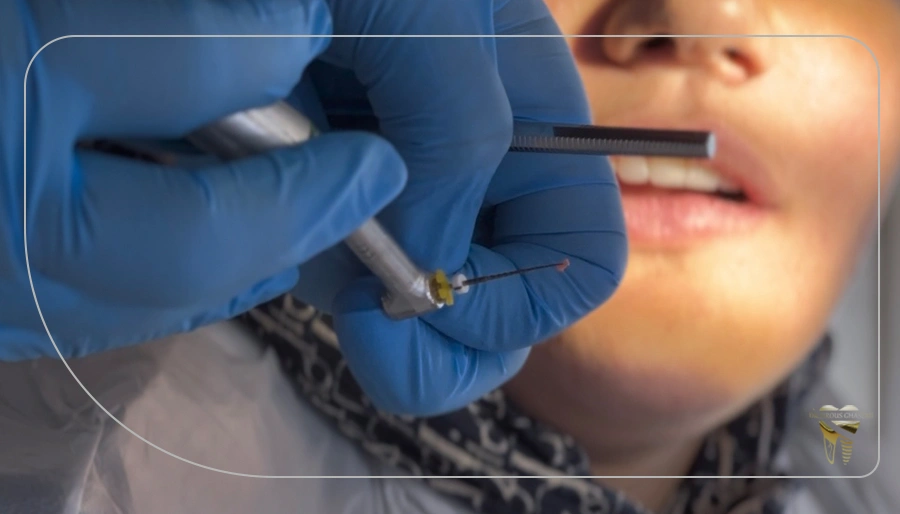
The Role of Deep Cavities in Root Canal Treatment
Initially, superficial tooth decay may cause mild pain or sensitivity to hot and cold. However, if the decay reaches the deeper layers of the tooth—approaching or even affecting the nerve—it can lead to inflammation and infection of the dental nerve. In such cases, the nerve is severely damaged and may become infected, resulting in intense pain, swelling, and even fever.
Deep cavities can destroy the internal structure of the tooth and easily damage the nerves. If this damage is not treated promptly, it can lead to nerve death, with root canal treatment being the only solution. A root canal is a procedure in which the damaged nerve is removed from the tooth, and the interior of the tooth is filled with special materials to prevent the spread of infection and preserve the tooth.
Can a Root Canal Be Delayed?
Delaying a root canal can lead to serious risks and consequences. If the damaged tooth is not treated promptly, there is a higher likelihood of severe infection, which can spread to the gums and even the jawbone. This situation may result in intense pain, swelling, and even tooth loss. Consequently, the treatment process becomes more complex and time-consuming, increasing both the cost and duration of care.
In some cases, if the decay and damage to the tooth are limited, the dentist may suggest initial treatments, such as a filling, and postpone the root canal. However, this is only possible when the nerve damage is not severe enough to cause an infection. In general, if your tooth has nerve damage and you experience pain or other symptoms, the best course of action is to undergo root canal treatment as soon as possible.
What Conditions May Require a Root Canal?
- Root Canal Infection: When bacteria penetrate the tooth root and cause an infection, the dental nerve is affected. Common signs of a root canal infection include severe pain, sensitivity to hot and cold, swelling and redness around the tooth, and pain when pressure is applied to the tooth.
- Deep Decay: Severe decay that penetrates the deeper layers of the tooth can damage the dental nerve. This can result in intense pain and tooth sensitivity to hot and cold foods and drinks.
- Tooth Fracture: If a tooth is broken or has an incomplete restoration and the fracture extends to the dental nerve, a root canal may be necessary.
- Tooth Restoration: In some cases, root canal treatment is necessary to remove infection and properly restore teeth that have suffered severe damage.
What are the characteristics of the best root canal treatment doctor in Shiraz?
The best root canal specialist in Shiraz should have advanced education and specialized training in endodontics.Using advanced equipment and modern technologies is essential to improve treatment quality and minimize pain.Strong communication skills and a compassionate approach toward patients enhance their comfort and confidence.Precision and attention to detail in root canal treatment directly affect the quality and longevity of the procedure.Providing complete and honest information, building patient trust, and guiding them on maintaining dental health are essential.To choose the best dentist, you can rely on others’ reviews, consult with acquaintances, check reputable websites, and communicate directly with the dentists.
What Is the Difference Between Nerve Pain and Gum Pain?
Pain in the mouth and teeth can have various causes. Two common types that people often experience are nerve pain and gum pain. These two types of pain differ significantly in intensity, cause, and how they are felt. Understanding their differences can help in accurately diagnosing the problem and choosing the appropriate treatment.
Nerve Pain
It usually occurs due to damage to the tooth nerve or inflammation inside the tooth. This pain is often sharp and throbbing in the tooth area and typically worsens with stimuli such as eating or drinking hot and cold substances. In some cases, the pain is continuous and deep within the tooth or jaw and may even radiate to other areas, such as the head or ears. A key characteristic of nerve pain is that it usually requires immediate treatment, as untreated cases can lead to infection and tooth loss.
Gum Pain
It is caused by inflammation, infection, or gum disease. This pain is usually felt in the gum area and may be accompanied by swelling, bleeding, or redness of the gums. Gum pain can worsen when brushing or eating certain foods, especially hard or sharp ones. This pain is generally less deep and intense than nerve pain, but if left untreated, it can lead to more serious issues, such as periodontal disease and tooth loss. Be sure to read the article on the causes of gum swelling
How Does a Dentist Diagnose the Need for a Root Canal?
Dentists use a combination of methods and examinations to determine the need for a root canal. This process involves evaluating the patient’s symptoms, assessing the condition of the tooth, and sometimes performing specific tests to accurately decide whether a root canal is necessary. Here are some common methods dentists use to diagnose the need for root canal treatment.
- The first step in diagnosing the need for a root canal is evaluating tooth pain. If you experience severe pain when consuming hot or cold foods or while chewing, it may indicate damage to the tooth nerve. In this case, the dentist may perform a physical examination of the tooth to identify the affected areas.
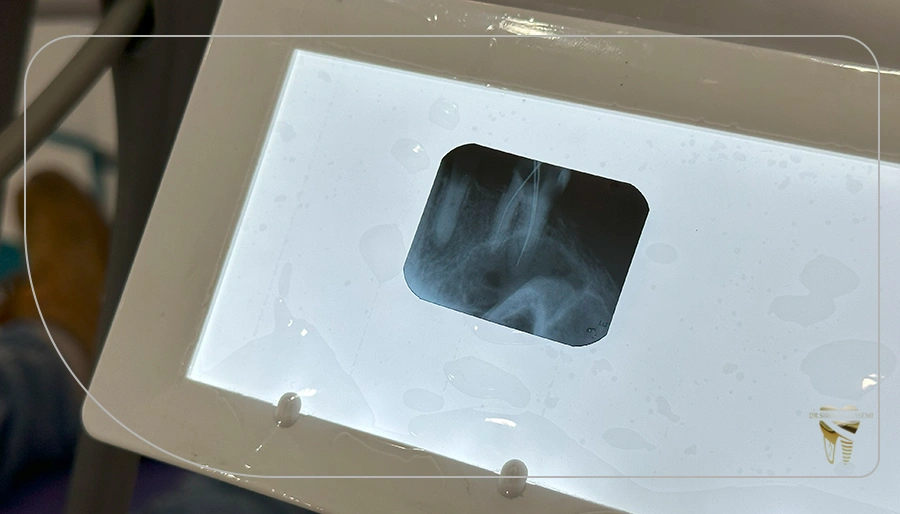
- Next, the dentist may use dental X-rays for a more precise diagnosis. X-rays can reveal the internal condition of the tooth and clearly show if there is an infection or inflammation near or around the tooth nerve.
- If the dentist notices swelling or infection in the gums during the examination, this may indicate damage to the tooth nerve. In such cases, the dentist carefully assesses whether these symptoms are caused by issues within the tooth nerve.
- Additionally, the dentist may use sensitivity tests to evaluate the tooth’s response to different temperatures. For example, applying a cold object to the tooth can help identify nerve-related issues. If the tooth exhibits severe sensitivity to cold or heat, the likelihood of nerve damage is high.
Cheap root canal treatment in Shiraz
In Shiraz, the cost of a root canal can vary depending on several factors, including the clinic’s location, the dentist’s expertise and experience, the condition of the tooth, and the type of tooth being treated. To check prices, you can try different approaches. One method is to visit various clinics and dental offices in Shiraz and compare their rates. This helps you understand the average costs in the city and make a choice based on your budget. You can also rely on the experiences of friends and family, as they may provide recommendations for dentists with reasonable prices.
Interestingly, Shiraz has universities that offer dental services. These universities may charge lower fees because treatments are performed by dental students under supervision. Visiting a university clinic can be a more cost-effective option. Additionally, some clinics and dental offices may offer special discount programs for specific services, such as root canal treatment.
You can take advantage of these programs to reduce costs. It is important, however, that when choosing an affordable root canal specialist, you also consider the quality of treatment and the dentist’s experience. Additionally, before undergoing treatment, make sure you are informed about the costs, treatment steps, and any additional fees to be fully aware of all aspects involved.
Determining the need for a root canal is a precise and complex process that requires careful evaluation of symptoms and specialized tests. Dentists use physical examinations, X-rays, sensitivity tests, and assessment of signs such as severe pain, swelling, or infection to accurately diagnose the problem and decide whether a root canal is necessary. If treatment is needed, performing it promptly can prevent more serious complications and help preserve your dental health. Therefore, if you experience pain or problems with your teeth, visit a dentist as soon as possible to ensure the health of your mouth and teeth.
Frequently Asked Questions About Root Canal Treatment
When Is a Root Canal Necessary
A root canal is necessary when there is infection or damage to the nerves and tissues inside the tooth (dental pulp). These conditions are usually caused by deep tooth decay, trauma or injury to the tooth, or an infection in the tooth root, which can result in severe pain, swelling, and even pus discharge.
Does root canal treatment cause pain?
Thanks to the use of local anesthesia during a root canal, you will not feel any pain during the procedure. After the treatment, you may experience some mild sensitivity or discomfort in the treated tooth, which is usually relieved with standard pain relievers.
How Can We Tell If a Root Canal Is Needed?
Warning signs indicating the need for a root canal include severe pain, sensitivity to hot or cold temperatures, swelling or pain around the tooth, and the presence of pus or discharge from the gums. If you experience any of these symptoms, you should visit a dentist as soon as possible.
How Long After a Root Canal Should a Crown Be Placed?
After a root canal, the tooth becomes more fragile due to the removal of the pulp and reduced strength. For this reason, placing a crown is usually necessary to protect the tooth. This should be done as soon as possible to prevent potential damage.
Is a Root Canal Permanent?
In most cases, root canal treatment is permanent and can protect the tooth from further damage and potential infections. However, if the tooth is not properly restored or the treatment is incomplete, retreatment or even tooth extraction may be necessary.