Laminate articles

Toothache treatment during pregnancy: What medicine should we take for tooth pain during pregnancy?
Toothache treatment during pregnancy

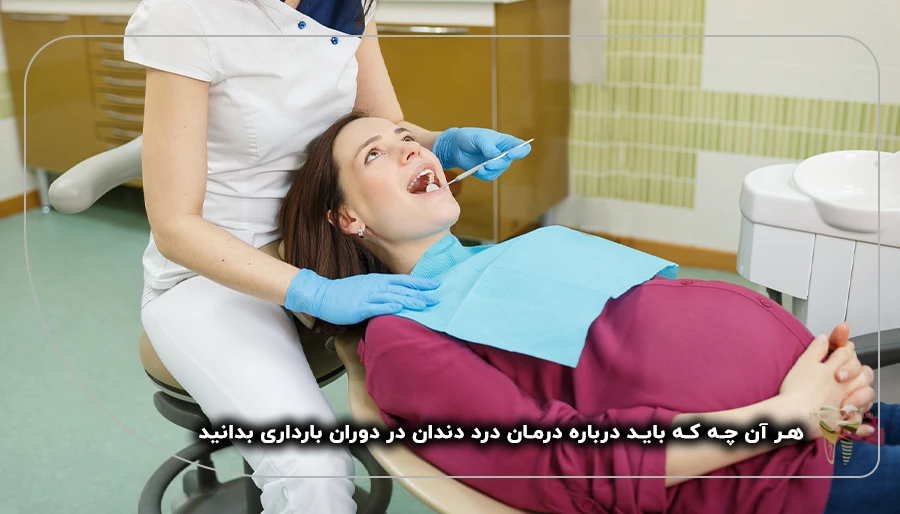
Nothing is as exciting and sweet as waiting for the birth of a little angel; but if a sudden toothache appears in the middle of it all, these sweet moments can quickly turn into a difficult and uncomfortable period. Pregnancy is a sensitive time, and the mother’s body goes through many changes—changes that can sometimes affect oral and dental health as well. During pregnancy, choosing safe methods for treating tooth pain is extremely important, and at Dr. Sirus Ghasemi’s clinic, with the help of digital implant technology in Shiraz, dental services are provided with high precision and safety. But the important question is this: when you are pregnant and experience a toothache, what medication should you take? Are painkillers safe? Which medications are harmful to the baby?

What are the causes of toothache during pregnancy?

One of the main causes is the increased levels of progesterone and estrogen, which lead to inflammation and sensitivity of the gums—a condition known as pregnancy gingivitis, often accompanied by bleeding, swelling, and pain. On the other hand, nausea and acid reflux, which many mothers experience, bring stomach acid into the mouth and weaken the tooth enamel. The result? Sensitivity, decay, and pain.

During pregnancy, the mother’s body also needs more calcium to help form the baby’s bones. If this need isn’t met through nutrition, it may negatively affect the teeth and increase the risk of cavities. Changes in diet, sudden cravings for sweet foods, and sometimes reduced attention to oral hygiene due to fatigue can all make the situation worse.

Free dental consultation by Dr. Ghasemi

When contacting the office, please mention that you contacted us through the website.

Dentistry of Dr. Sirous Ghasemi
Immediate and fast treatment for toothache during pregnancy

What is the dental treatment for toothache during pregnancy?

During pregnancy, treating a toothache requires special care and attention, as both the mother’s and the baby’s health are important. Many common dental procedures can be performed, but the choice of technique, medication, and timing of treatment must be done cautiously. The main goal of treatment is to relieve pain, control infection, and maintain oral health without posing any risk to the baby. Dental treatment methods during pregnancy include:

  • Professional cleaning and scaling: Controlling plaque and tartar helps reduce gum inflammation and pain caused by pregnancy gingivitis. This procedure is generally safe during all three trimesters.
  • Filling cavities: Minor to moderate cavities can be restored using safe materials. It is recommended to perform fillings during the second trimester, as the mother is more comfortable and the risk to the baby is lower.
  • Root canal treatment in case of severe infection: If significant pain and infection are present, a root canal can be performed using pregnancy-safe anesthetics.
  • Tooth extraction only when necessary: If a tooth cannot be saved and a severe infection is present, extraction is performed following all safety precautions. This procedure is usually done during the second trimester.
  • Using safe medications to control pain: The doctor or dentist prescribes pregnancy-approved medications, such as acetaminophen, to relieve pain. Other painkillers, like ibuprofen, are generally not recommended during pregnancy.
  • Oral hygiene counseling and education: The dentist guides the mother on proper oral care to prevent the worsening of dental problems.

Medical and home remedies for relieving toothache during pregnancy

Simple and effective methods for treating toothache during pregnancy

Toothache during pregnancy can be an unpleasant experience, but fortunately, there are simple and effective home care methods that can help reduce pain and maintain oral health until you can visit a dentist. These methods are low-risk and provide significant relief without harming the baby.

Method

Explanation

Important points

Rinsing the mouth with warm salt water

Warm water with a little salt can help reduce gum inflammation and pain, and disinfect the oral cavity.
Gargle 2 to 3 times a day for 30 seconds each time.

Using a cold or warm compress

Using a cold or warm compress

A cold compress on the cheek or painful area can help reduce swelling and pain. A warm compress is useful for relieving nerve and muscle pain.

Use each compress for 10 to 15 minutes at a time and do not place it directly on the skin.

Pregnancy-safe painkillers

Acetaminophen can help control pain and is generally considered safe during pregnancy.

Always use under the guidance of a doctor and follow the recommended dosage.

Maintaining oral hygiene

Brushing with fluoride toothpaste and using dental floss helps reduce gum inflammation and cavities.

Use a soft toothbrush and proper technique to avoid harming sensitive gums.

Avoid sweet and sticky foods

Consuming sweets and sugary snacks promotes bacterial growth and tooth decay.

Opt for healthy snacks such as fruits and vegetables.

Using anti-inflammatory gels or mouthwashes designed for pregnancy

Gels containing anti-inflammatory ingredients can temporarily reduce gum and tooth pain.

Use pregnancy-safe products and consult your dentist.

Quick consultation with a dentist

Even mild pain can be a sign of decay or infection that requires professional treatment.

The best time to visit the dentist is during the second trimester, unless it’s an emergency.

Toothache treatment during pregnancy

How to use salt to relieve tooth pain according to the Tabaye website:

For many people, rinsing with salt water is an effective first-line treatment. Salt water is a natural disinfectant and can help loosen food particles and debris that may be stuck between your teeth. Using salt water for tooth pain can also reduce inflammation and heal any oral sores. To use this method, mix ½ teaspoon of salt in a glass of warm water and use it as a mouth rinse.

A few home remedies for treating toothache during pregnancy

Toothache during pregnancy can be very uncomfortable, but there are simple and safe home remedies that can help reduce pain until you can visit the dentist. These methods provide relative relief using natural care and ingredients, without relying on strong medications.

Rinsing the mouth with warm salt water

Gargling with warm salt water is one of the most effective home remedies for reducing inflammation and disinfecting the mouth. It helps relieve gum pain and prevent bacterial growth. It is recommended to gargle 2 to 3 times a day for 30 seconds each time.

A few home remedies for treating toothache during pregnancy

Cold or warm compress on the cheek

Applying a cold compress to the painful area can help reduce swelling and pain, while a warm compress is useful for soothing nerve and muscle pain. Use each compress for 10 to 15 minutes at a time, placing a thin towel between the compress and the skin to avoid tissue damage.

Using clove oil or natural gels

Clove oil contains a compound called eugenol, which has pain-relieving and anti-inflammatory properties. Place a few drops of clove oil on a cotton ball and gently apply it to the affected tooth or gum. This method helps temporarily reduce pain without posing a risk to the baby.

Maintaining oral hygiene

Brushing regularly with a soft toothbrush and using dental floss reduces bacteria and dental plaque, preventing gum inflammation. Additionally, using fluoride toothpaste helps strengthen tooth enamel.

Avoiding sweet and acidic foods

Consuming sweets, sodas, and acidic foods can worsen tooth pain and gum inflammation. Eating fresh fruits and vegetables instead of sugary snacks not only reduces pain but also provides essential nutrients for both the mother and the baby.


Is using antibiotics to relieve tooth pain during pregnancy harmful?

The use of antibiotics to treat tooth pain during pregnancy should be done cautiously and under the direct recommendation of a dentist. Prescribing antibiotics during pregnancy requires weighing their benefits against potential risks to the baby. In such cases, your dentist can prescribe antibiotics, but it is crucial to choose ones that are safe during pregnancy and do not have serious side effects on the fetus.

Additionally, to manage tooth pain during pregnancy, antibiotics should be avoided as much as possible unless specifically advised by a doctor. To reduce pain and inflammation, you should first visit your dentist to assess your dental condition and receive proper guidance. Preventing tooth pain during pregnancy through maintaining oral hygiene, regular mouth rinses, and timely treatment of dental issues is also very important.

Conclusion

Toothache during pregnancy is a common and natural issue caused by hormonal changes, nutrient deficiencies, and gum sensitivity. Fortunately, simple home remedies, maintaining oral hygiene, and using safe medications can help reduce pain and prevent infection. However, visiting a specialized dentist for an accurate diagnosis and appropriate treatment is very important, even during pregnancy. Following safety guidelines and using standard treatment methods ensures the health of both the mother and the baby.

Frequently Asked Questions

Is toothache during pregnancy normal?

Yes, increased hormones and physical changes in the body can cause gum inflammation and tooth sensitivity, but severe or prolonged pain needs to be examined.

Which painkiller is safe for toothache during pregnancy?

Acetaminophen is generally safe during pregnancy, but it should always be used under a doctor’s guidance.

Can I have dental treatment during pregnancy?

Yes, most essential and safe treatments can be performed during the second trimester, but emergency procedures at any stage should be done under a specialist’s supervision.

What are home remedies to reduce toothache during pregnancy?

Gargling with warm salt water, using cold or warm compresses, maintaining oral hygiene, using clove oil, and avoiding sweet foods are simple and safe methods.

When should I see a dentist immediately?

If you experience severe pain, swelling, fever, or pus discharge, see a dentist immediately to prevent the infection from progressing.

Is it safe to take strong medications like ibuprofen during pregnancy?

No, ibuprofen and some other nonsteroidal anti-inflammatory drugs are generally not recommended during pregnancy and should be avoided.

Free dental consultation by Dr. Ghasemi

When contacting the office, please mention that you contacted us through the website.

Dentistry of Dr. Sirous Ghasemi

Leave a Reply

Your email address will not be published. Required fields are marked *