
Blog
Complete guide to retainers or fixed orthodontic wires: types, uses, and how to use them
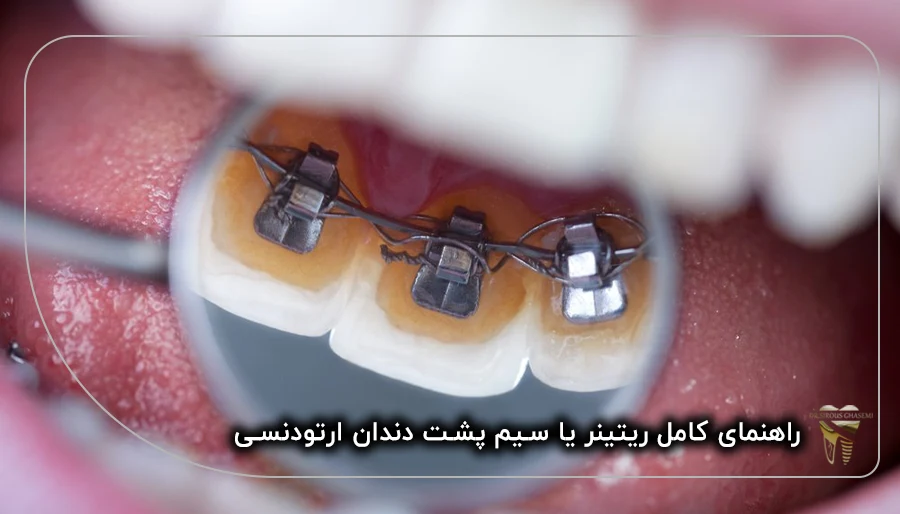
What is a fixed retainer or the wire behind the teeth after orthodontic treatment?
A fixed retainer, or the wire behind the teeth after orthodontic treatment, is the silent guardian of your smile—quiet yet essential. When braces are removed and your new smile shines in the mirror, the teeth are not yet biologically “stable” and tend to shift back to their previous positions. This thin wire, bonded directly behind the front teeth, acts like a permanent protector, preventing tooth movement day and night. It is completely invisible, requires no daily attention, works continuously and precisely, and ensures that the results of your long and hard orthodontic treatment remain flawless.

Uses of a retainer or fixed orthodontic wire
An orthodontic retainer, especially the fixed type, is not just an extra device after braces—it is a crucial step for stabilizing results and preventing teeth from shifting back. This small tool plays a big role: from preventing tooth movement to helping maintain the smile you achieved with time and effort. Here are its main uses:
1. Preventing teeth from shifting back
After braces are removed, the bone and supporting tissues of the teeth are still stabilizing, and teeth may return to their original positions. A fixed retainer remains permanently on the teeth and applies gentle pressure to prevent any unwanted movement. This ensures your straight and aligned smile stays secure.
2. Stabilizing the dental arch form
During orthodontic treatment, the shape of the dental arch changes, and time is needed to maintain this new form. The retainer helps stabilize the dental arch, ensuring that the new structure of the jaw and teeth is fully set. This is especially important for the front teeth, which are more prone to movement.
3. Maintaining results in high-risk patients
Some individuals, due to high dental crowding, a history of jaw issues, or bone structure, are at greater risk of teeth shifting again. A fixed retainer plays a vital role for these patients, preventing the loss of time, cost, and effort associated with repeat orthodontic treatment.
4. Supporting smile aesthetics and alignment
Having straight teeth is not only about function; it also affects facial aesthetics and self-confidence. A fixed retainer helps keep teeth properly aligned, ensuring your smile remains at its best and the aesthetic results of orthodontic treatment are fully preserved.


Types of fixed orthodontic retainers
After orthodontic treatment, the teeth still “remember” their previous positions and naturally tend to shift back. This is why a retainer is used—to stabilize the teeth and maintain their new alignment. Retainers come in different types, and each is chosen according to the specific needs of the patient. Below, we introduce the most common types.
Hawley retainer
The Hawley retainer is one of the oldest and most reliable types of retainers. It consists of a thin metal wire across the front teeth and a plastic component that rests on the roof of the mouth or behind the lower teeth. A key feature of the Hawley retainer is its adjustability—orthodontists can make minor adjustments to the wire to better control the position of the teeth. Despite its simple appearance, it remains an effective and practical choice for many patients.
Clear removable retainer
This type of retainer is the transparent, colorless model that fits like a thin cover over the teeth. Made from clear thermoplastic, it is nearly invisible in the mouth. Its lightweight design, comfort, and invisible appearance make it very popular. However, it must be worn consistently and handled carefully to avoid breaking or losing it, as even a short period without it can allow teeth to shift.
Fixed (bonded) wire retainer
In this type, a thin, durable wire is bonded behind the front teeth and does not need to be removed or worn daily. The retainer remains permanently in the mouth and controls tooth movement without being visible. It is ideal for individuals who may forget to wear a removable retainer or have high dental crowding. Proper oral hygiene is essential to prevent plaque buildup around the wire.
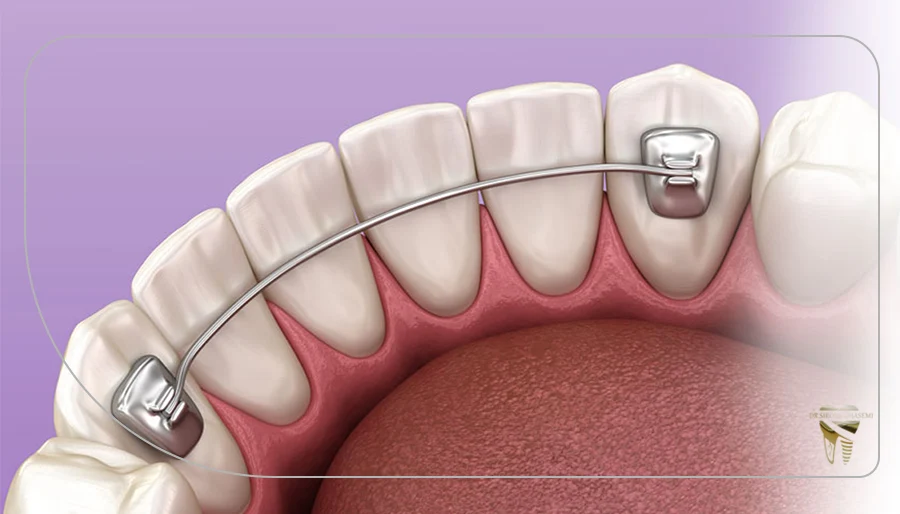
Duration of wearing a fixed retainer
When orthodontic treatment is finished, many think the work is done; but the truth is that the crucial phase is just beginning. A fixed retainer acts like a permanent guardian behind your teeth, preventing your straight, aligned smile from reverting.
The duration of using a fixed retainer is usually long-term and, in many cases, considered indefinite. This is because teeth can still have a tendency to shift even years after orthodontic treatment, especially in the lower front teeth.
In simple terms:
The longer you wear a fixed retainer, the lower the chance of your teeth shifting back.
Most specialists recommend using a fixed retainer for at least 3 to 5 years, but for many patients, if no issues arise, it’s better to keep it in the mouth indefinitely. Of course, this assumes proper oral hygiene is maintained and regular check-ups are conducted.
How to Use and the Purpose of a Retainer After Orthodontics
Orthodontic retainers, also known as retainers, are devices used by orthodontists to maintain the position of teeth after completing orthodontic treatment. These retainers help prevent teeth from shifting back and preserve the results of the treatment.

How to Use an Orthodontic Retainer
How to use an orthodontic retainer depends on the type of retainer and your dentist’s instructions. In general, it can be said:
Fixed Retainers
- There is no need to remove or put in this type of retainer.
- Your dentist will check and adjust them at regular intervals.
- Maintaining oral hygiene by brushing and flossing around this type of retainer is very important.
Removable Retainers
- You should wear and remove this type of retainer according to the schedule prescribed by your dentist.
- You should remove this type of retainer while eating, brushing, and flossing.
- Clean the retainer regularly with soap and warm water.
- Avoid exposing the retainer to high heat.