
Blog
Dental Crown Prices in Shiraz 2025
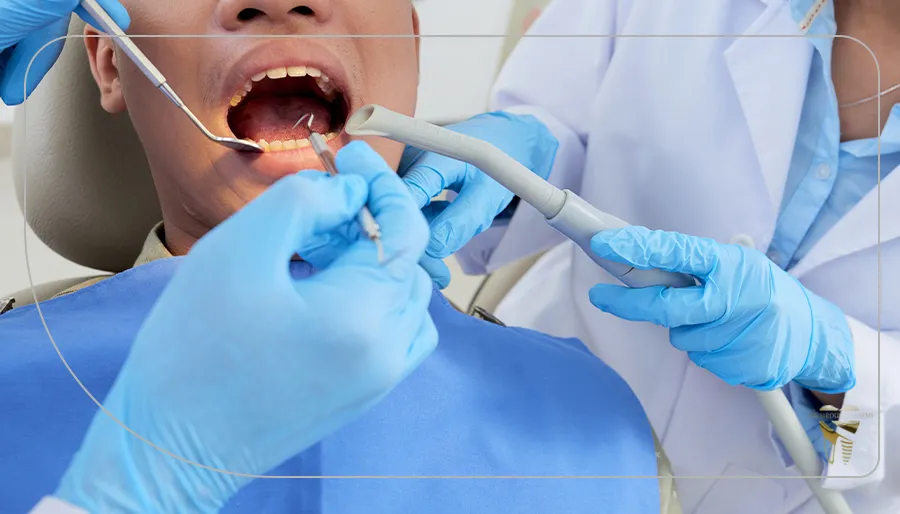

Factors affecting the cost of dental crowns 2025 (1404).
The cost of dental crowns is one of the most significant challenges in choosing between different types, and for many people, understanding how these prices are determined helps them make the best choice according to their budget. In general, it must be said that several factors influence the price of dental crowns, the most important of which include:

Dental crown material:
The main factor determining the cost of a dental crown is its material. Dental crowns are made from various materials, including ceramic, metal, resin, PFM (Porcelain-Fused-to-Metal), and more. Ceramic and Zirconia crowns are considered the most expensive types, offering a very natural and attractive appearance, and are typically used for front teeth that form the smile line. Metal-ceramic (PFM) crowns are also highly durable and are generally used for posterior or molar teeth, which are less visible and subject to greater pressure.
Root canal treatment:
For some patients, in addition to the costs associated with fabricating the dental crown, side expenses including dental treatments, root canals, root canal retreatment, and others can also be among the factors influencing the cost of the dental crown.
Laboratory and lab fees:
As you know, dental crowns are fabricated in specialized laboratories through molding and based on the dentist’s order. These laboratories have different fees and tariffs, and experienced dentists typically use the services of advanced and well-equipped labs, which ultimately results in higher costs.
Use of digital dentistry:
Advanced clinics and laboratories typically use modern equipment and treatment methods. Utilizing digital dentistry services such as CAD-CAM and digital impressions generally costs more due to the type of consumables and technology used, making it a contributing factor to the increased price of dental crowns. One of the most reputable digital dentistry clinics in Shiraz is Dr. Ghassemi’s clinic, where you can receive all installment-based dental services in Shiraz with the top dentist in Shiraz.
Number of crowns:
The number of dental units to be crowned affects the final cost; the higher the number of crowns, the higher the price will be.
Watch the video on how to calculate the price of dental crowns by Dr. Milad Eshghi:
Which dental crown is more cost-effective?
Choosing a “cost-effective” dental crown depends on your needs, budget, and expectations; however, if we want to select the most logical options in terms of cost among the choices, several points are important:
- Metal crowns are the most economical in terms of cost. With a lower initial cost compared to other types, these crowns offer sufficient durability for posterior teeth and are considered a good choice for those looking for a cost-effective and practical option.
- If both cost and aesthetics are important, Porcelain-Fused-to-Metal (PFM) crowns offer a balance between strength and appearance; their cost is moderate, being cheaper than all-ceramic or zirconia while providing acceptable quality.
- If a natural appearance and matching the color of natural teeth are not priorities, and you are treating a posterior or less visible tooth, a metal crown remains the best economic option.
- In situations where the external appearance and the brilliance of the smile are important and price is a secondary priority, more expensive options like ceramic or zirconia can be considered; however, if the goal is economic savings, metal or porcelain-fused-to-metal (PFM) are the most logical choices.

The price of installment dental veneers in Shiraz
The dental crown prices at Dr. Ghassemi’s clinic are structured so that every patient can achieve their ideal smile without financial worry. You can obtain all types of crowns through installments; meaning, instead of a lump-sum payment, you can divide the treatment cost over a flexible period according to your financial capability. This possibility ensures that choosing between zirconia, ceramic, or porcelain-fused-to-metal (PFM) crowns is based solely on quality and your dental needs, rather than budget constraints. The installment process is also simple, requiring no guarantor and only the presentation of a registered bank check, so that treatment can begin as quickly as possible.
The importance of dental crowns: Why do we need a dental crown?
A dental crown becomes essential when a tooth can no longer withstand the pressure of chewing, erosion, or deep decay. In such situations, the crown acts as a protective shield, saving the tooth from fractures, recurring pain, and repeat treatments. If a tooth has undergone a root canal, its walls are weaker than ever, and without a crown, the likelihood of it cracking or shattering is very high.
A crown not only increases the tooth’s durability but also corrects the appearance of the smile, improving the color, shape, and symmetry of the teeth. Therefore, a dental crown is not merely a cosmetic procedure; it is an investment in maintaining oral health and preventing costly treatments in the future.

Side costs and dental veneer maintenance
- Dental X-rays (RVG or Panorex): To examine the root, bone structure, and detect hidden cracks. This usually involves a separate fee from the crown cost.
- Root canal treatment before the crown (if required): If a tooth has deep decay or pulp inflammation, a root canal becomes necessary. This cost is calculated independently.
- Tooth reconstruction and foundation (Build-up or Post-and-Core): When the tooth structure is weak, it is necessary to place a pin or perform a core build-up to create a solid foundation beneath the crown.
- Scaling and gum preparation: To prevent inflammation and ensure the precise fit of the crown, scaling or periodontal treatment may be required.
- Cost of anesthesia and specialized supplies: Some clinics charge a separate fee for anesthesia or advanced impression materials, especially for all-ceramic crowns.
- Polishing and periodic crown checkups: A checkup should be performed every six months, including bite evaluation, crown polishing, and addressing any potential wear or loosening.
- Replacing or repairing crown adhesive: If the crown becomes loose, re-cementing or infrastructure repair may be required.
- Potential cost of crown replacement in the future: High-quality crowns last between 8 to 15 years. After this period, depending on the material of the crown and oral conditions, replacement may become necessary.
7 ways to avoid extra costs for dental crowns
Avoiding additional costs for dental crowns depends more on smart treatment management and choosing the right dentist and materials than on the initial price. An informed patient can significantly reduce costs without compromising quality.

- Choosing a dentist with a precise treatment plan: Correct treatment from the start means avoiding rework. An accurate diagnosis of decay, determining the necessity of a root canal, and choosing the right materials will save you from heavy costs in the future.
- Requesting a full explanation regarding the stages and side costs: Before starting the procedure, ask about the costs of impression taking, post-and-core, anesthesia, imaging, and any other potential expenses. Financial transparency is the best way to avoid “hidden costs.”
- Choosing a crown with the quality suited to your needs, rather than the most expensive model on the market:
Sometimes a zirconia or all-ceramic crown is more than what the patient needs. Smart choosing means paying for actual efficiency, not the brand. - Gingival care and prevention of inflammation before the crown: Inflamed gums cause a poor fit for the crown and the need for adjustment or replacement. A simple scaling can eliminate millions of Tomans in future extra costs.
- Follow-up checkups: visiting every six months, correcting the bite pressure, polishing and checking the condition of the veneer adhesive, preventing slipping, breakage and subsequent costly treatments.
- Mechanical protection of the crown: Avoiding chewing ice, cracking nuts with your teeth, or bruxism can multiply the lifespan of the crown and prevent replacement costs. For bruxism, using a nightly night guard is highly cost-effective.
- Choosing offices that can pay in installments: installment treatment eliminates financial pressure and prevents wrong decisions or poor material selection due to budget limitations.
Comparing the cost of different types of dental crowns.
The final choice of a dental crown is ultimately made by the patient; however, it is advisable to consult your dentist regarding the most suitable type for your specific needs before making a final decision. Typically, dentists recommend the best option based on the clinical condition of the teeth, although the selection is directly influenced by the patient’s budget. Understanding the various types of dental crowns will certainly help you make an ideal choice based on your requirements and financial plan. In the following, we will examine the price differences for each type:
PFM (Porcelain-Fused-to-Metal) crown:
These crowns are a combination of metal and ceramic, featuring an internal structure made of metal alloy and an outer surface crafted from porcelain. PFM crowns are more affordable and durable compared to all-ceramic crowns, but they offer less aesthetic appeal.
Ceramic Crown:
All-ceramic crowns have an appearance identical to natural teeth, allowing the dentist to use a ceramic shade that perfectly matches your own teeth, making it difficult to distinguish from natural tooth structure. These crowns come in various types, crafted from different ceramic materials using the latest techniques and technologies. Consequently, the price of these dental crown models varies depending on the type of ceramic used and the fabrication technology. Although these crowns are relatively expensive, they offer a highly aesthetic and natural appearance.

Zirconia venner
Zirconia crowns are a type of all-ceramic crown fabricated from zirconium materials. Zirconium is a natural element extracted as a colorless crystalline or gray powder; since standard ceramic crowns are brittle, incorporating zirconium into the ceramic composition provides substantial strength, making them highly resistant to various types of damage. Consequently, they are considered among the most expensive types of crowns. Due to their translucent and lustrous appearance, these crowns create an exceptionally beautiful smile line and are typically utilized for restoring front teeth.
Metal veneer
Full-metal crowns are considered the oldest and most expensive type of dental restoration, generally fabricated from metal alloys such as nickel and possessing a silver hue; notably, gold crowns were also highly prevalent in the distant past. It is worth mentioning that due to their high durability and longevity, metal crowns are an ideal choice for molars, with their lifespan typically exceeding 20 years.
Dental Crown Price List:
As previously mentioned, dental crowns come in various types, and the costs associated with each are influenced by determining factors such as the material and alloys used, as well as the dentist’s expertise and specialization. To inquire about the price list for different types of dental crowns and to schedule a consultation or appointment, please contact Dr. Sirous Ghasemi’s dental office in Shiraz.