Dental Services

Fracture of a root canaled tooth and various effective treatments
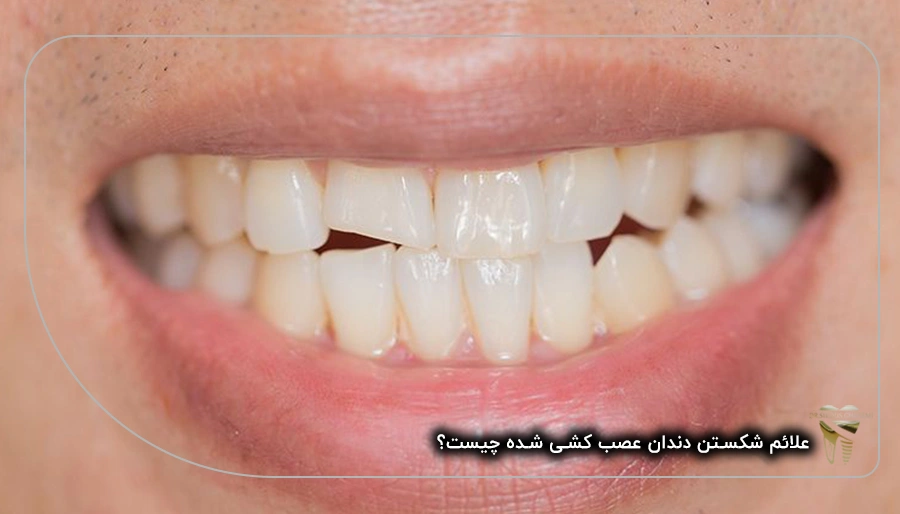
Fracture of a root canaled tooth

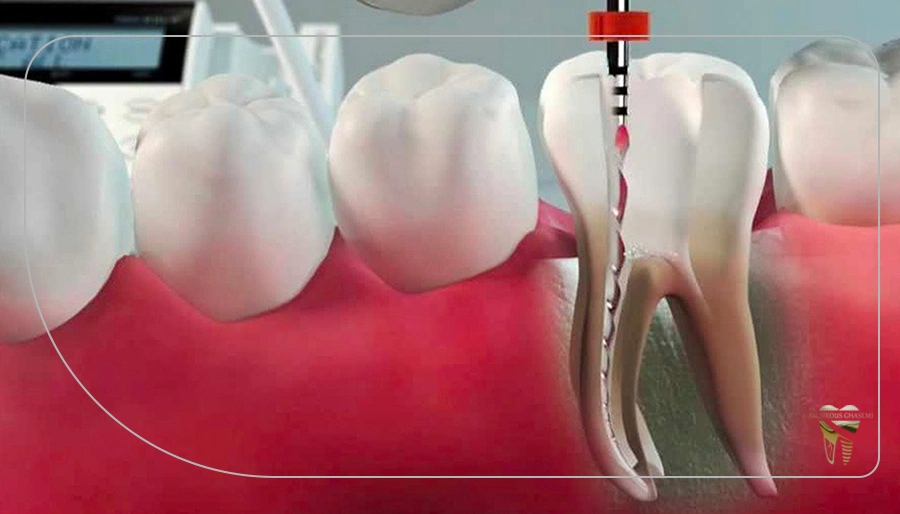
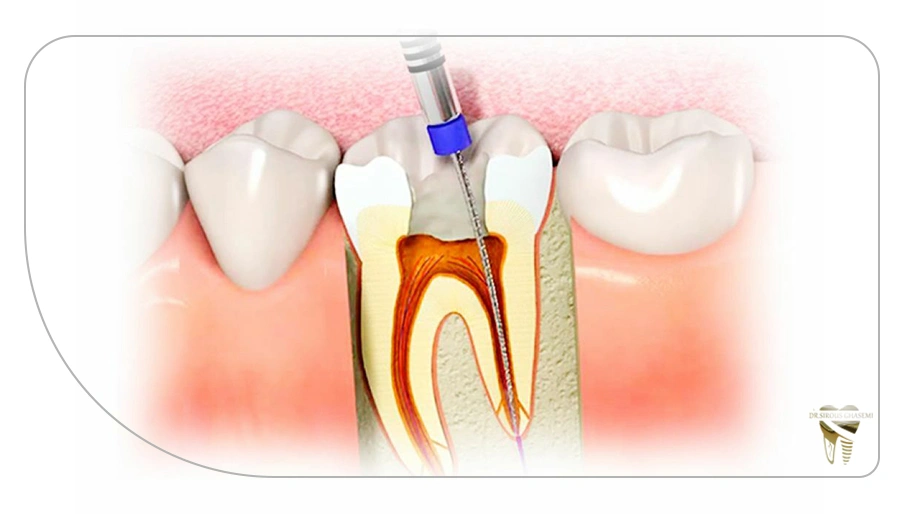
Root canals are the type of teeth that require special care due to the specific treatments they undergo. Although root canals relieve tooth pain, other problems cannot be ignored. One of these problems that may occur to many is the breakage of root canal teeth. Do you know how to identify the symptoms of this type of tooth breakage and what you should do to prevent and treat them? Join us in this article as we examine this issue and introduce effective solutions to deal with this problem. If you see symptoms of a root canal fracture, such as severe pain or sensitivity, it is best to immediately see a specialist for repair. Visit a Root canal treatment in Shiraz to prevent further damage.

Symptoms of a broken root canal tooth

Why does a root canal tooth break?

Quoted from Dr. Sirous Ghasemi, a digital implant specialist in Shiraz:

Root canal teeth are weaker than natural teeth due to the loss of living tooth tissue and internal blood vessels. These changes can be a reason for the tooth to break. But why exactly does a root canal tooth break? In fact, after root canal treatment, the tooth is exposed to more pressure and impact. These injuries can cause the tooth to crack or break.

One of the main reasons a root canal tooth can break is that after this treatment, the tooth is unable to absorb moisture from the internal vessels and nerves and becomes drier over time. This dryness can reduce the flexibility of the tooth, making it more prone to cracking. Also, if the root canal tooth is subjected to excessive pressure or bad habits such as teeth grinding, it is more likely to break.

Free dental visit by Dr. Ghasemi

Special conditions for installment dental services in Shiraz without interest

Contact Dr. Ghasemi’s office now.

Dentistry of Dr. Sirous Ghasemi
Treatment of a broken root canal tooth

What are the symptoms of a fractured root canal tooth?

A fractured root canal tooth may appear suddenly and without any obvious symptoms, but in most cases, there are signs that can indicate a problem. If your root canal tooth is fractured, it is best to see a dentist immediately to prevent more serious problems. Below, we will review the common symptoms of a fractured root canal tooth:

  1. The first sign is pain or sensitivity. Even if the tooth has been extracted, the fracture may cause pain when chewing or touching the tooth. In this case, the tooth may feel more painful than before.
  2. Another common symptom is a change in the appearance of the tooth. You may notice visible cracks or gaps in the tooth, or feel like the tooth is broken or out of its natural shape.
  3. Difficulty chewing can also be a symptom of a fractured root canal tooth. You may experience pain or discomfort when eating hard foods or chewing. You may also feel like the tooth is no longer functioning properly.
  4. In some cases, if a tooth is broken, infection can develop quickly. If you feel swelling, pain, and inflammation in your gums or around the tooth, there is a possibility that there is a crack and bacteria entering the broken tooth.

How to prevent a root canaled tooth from breaking?

Dentists recommend that even after root canal treatment, avoid putting excessive pressure on the tooth, chewing hard foods, and using your teeth to open packages. Choosing a durable crown or filling, careful oral hygiene, and proper mouthwash can minimize the risk of fracture.

Care tip

Explanation

Avoid chewing hard foods.

Avoid chewing hard nuts, ice, and hard food scraps.

Use of protective coating

Back teeth with high pressure are best covered with durable veneers.

Quality filling

The use of highly durable restorative materials increases tooth strength.

Maintaining oral hygiene

Regular brushing and flossing prevents cavities and cracks.

Periodic examinations

Regular dental check-ups by a dentist are vital to detect small cracks or decay.

Avoid sudden pressure

Avoid opening packages or breaking objects with your teeth.

Read more: Who is the best dental laminate doctor in Shiraz?

Treatment options for broken, root canaled teeth

Appropriate treatments for a broken tooth after root canal treatment

After a root canal, if your tooth becomes fractured, it is important to choose the right treatment method to keep the tooth healthy and strong. Dentists may recommend the following options, depending on the severity of the fracture and the location of the tooth:

  • Crown: The best way to protect back, pressure-sensitive teeth, increase strength, and prevent re-fracture.

  • Durable filling: In small fractures, the use of highly durable restorative materials can restore tooth structure.

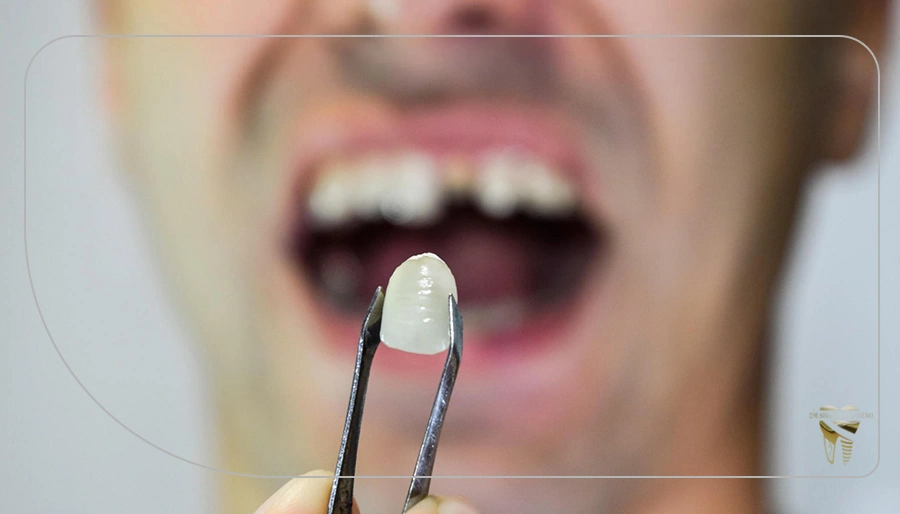
  • Composite veneer: For front teeth and minor fractures, this method not only protects but also preserves the beauty of the smile.

  • Tooth reconstruction with advanced filling materials: A combination of composite and fiberglass materials is used to strengthen fragile teeth after root canal treatment.

  • Extraction and replacement with an implant: In severe cases where the fracture is deep and irreparable, tooth extraction and replacement with an implant is the best option.

Preventing fracture of extracted teeth

Root canal teeth are more fragile due to the reduced internal structure and require special care. Following simple but vital tips can extend the life of these teeth and prevent breakage.


Care tip

Importance

Avoid chewing hard foods.

Prevent sudden fractures

Use of protective coating

Increasing the durability and strength of teeth

Maintaining oral hygiene

Reducing decay and internal cracks

Periodic examinations

Timely diagnosis and treatment of problems

Avoid sudden pressure

Protecting weak tooth structure

Preventing fracture of extracted teeth

What is it like to have a root canal tooth extracted?

Extraction of a root canal tooth is usually performed when the tooth is beyond repair or has a deep fracture. The general steps are:

  • ارزیابی دندان توسط دندان‌پزشک و بررسی رادیوگرافی برای تشخیص شدت آسیب
  • Local anesthesia to reduce patient pain and discomfort
  • Using specialized tools to loosen and remove the tooth from its position
  • Cleaning the site of the extracted tooth and suturing the gum if necessary

Extraction of infected root canaled tooth

When a root canaled tooth becomes infected, it may need to be extracted to prevent the infection from spreading to the jaw and adjacent teeth. The characteristics of this extraction include:

  • Before extraction, your dentist may prescribe antibiotics to control the infection.
  • Extracting an infected tooth requires more care to avoid damaging the surrounding tissues.
  • After extraction, the area is thoroughly cleaned and, if necessary, prescribed medication to prevent re-infection.
  • Post-extraction care includes washing the area, avoiding hard foods, and maintaining oral hygiene.

Cost of extracting a root canaled tooth

The cost of extracting a root canal tooth depends on various factors:

Effective factor

Explanation

Tooth position

Back teeth and molars usually cost more.

Severity of injury

Deep fracture or infection increases the cost.

Need for anesthesia or antibiotics

Medication and anesthesia injections affect the price.

Dentist equipment and skills

The expertise and experience of the dentist and the tools used are decisive.

Geographical area

Costs vary depending on the city and office.

Care tips to extend the life of a root canaled tooth

Care tips to extend the life of a root canaled tooth

Root canal teeth are more at risk of damage and breakage due to nerve loss. Therefore, it is very important to take care of these teeth so that they last longer. One of the most important care tips to extend the life of root canal teeth is to use a crown. Crowns strengthen the tooth and make it more resistant to pressure and impact. You should also avoid biting hard or sticky foods, as this can put too much pressure on the tooth and break it. Having good oral hygiene is also very important. Regular brushing and flossing will prevent problems such as infection or recurring cavities. Also, using antiseptic mouthwashes can help prevent gum infections.

Preventing fracture of extracted teeth

Root canal teeth are more fragile due to the reduced internal structure and require special care. Following simple but vital tips can extend the life of these teeth and prevent breakage.

Do root canaled teeth need immediate restoration?

The short answer is yes, root canals need to be repaired quickly, because without proper restoration, they can be at risk of serious damage, such as breakage or decay. Typically, after a root canal, the tooth should be strengthened and protected as soon as possible with the use of appropriate restorative materials, such as a crown or filling. Without immediate restoration, a root canal tooth is highly vulnerable to cracking or breaking under normal stress, such as chewing on hard foods. Additionally, root canals are naturally drier than healthy teeth and can easily break under pressure.

Conclusion

Although root canals have healed and the initial pain has subsided, they still require special care and attention due to their reduced structural strength. Preventing fractures, using durable crowns or fillings, maintaining good oral hygiene, and getting regular checkups are key to maintaining the health of these teeth. If a tooth does become fractured or infected, prompt treatment such as extraction, restoration, or the use of specialized crowns can prevent further damage. Following the care tips and choosing the right treatment method will help your teeth last longer and keep your smile worry-free.

Be sure to watch the following video explanation of Urmia Dentistry:

Frequently Asked Questions

1. Does a root canal tooth always need a crown?
In most cases, especially for back and high-pressure teeth, a crown is recommended to increase strength and prevent breakage.

2. How can I prevent a root canal tooth from breaking?
Fractures can be prevented by avoiding chewing hard foods, maintaining good oral hygiene, having periodic checkups, and using durable fillings or crowns.

3. Does it hurt to have a root canal removed?
Using local anesthesia, the pulling process is usually painless, and aftercare helps reduce discomfort.

4. Can a root canaled tooth become infected again?
Yes, if hygiene is not maintained or the tooth is cracked, the infection can return and require retreatment or tooth extraction.

5. How much does it cost to extract a root canaled tooth?
The cost depends on the location of the tooth, the severity of the damage, the need for medication, and the dentist’s expertise, and usually ranges from 2 million Tomans upwards.

Dr. Ghasemi's Digital Dentistry

The most up-to-date digital dental office in Shiraz and the south of the country

Dentistry of Dr. Sirous Ghasemi

Leave a Reply

Your email address will not be published. Required fields are marked *