
Orthodontics articles

Lip position changes after orthodontics: Does orthodontic treatment affect the shape of the lips?
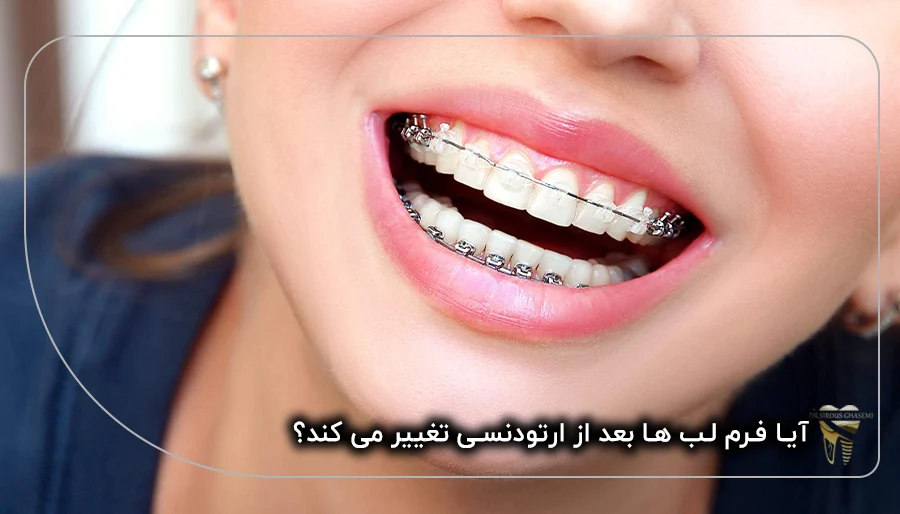
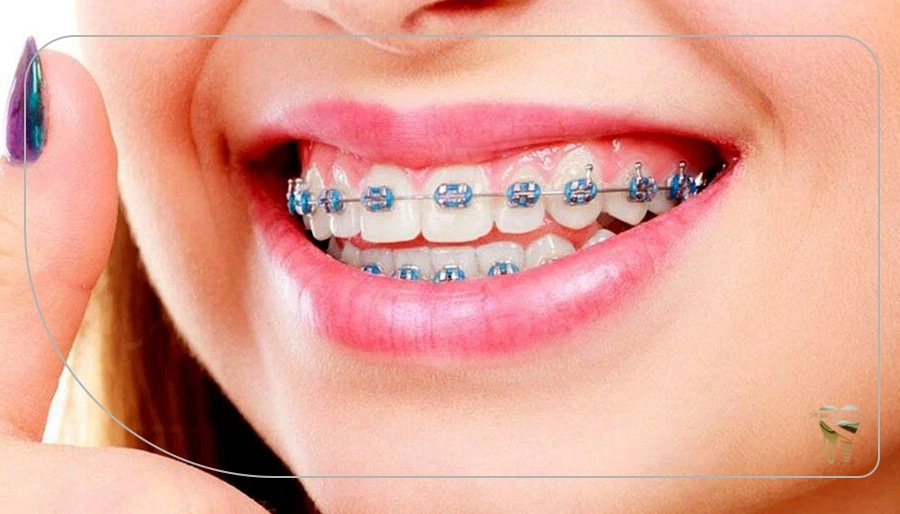
تغییر فرم لب بعد از ارتودنسی

Orthodontics, as an effective method for correcting dental and jaw positions, not only enhances oral and dental function but also has a profound impact on an individual’s overall appearance. One of the primary concerns for patients visiting Dr. Sirous Ghasemi, The best specialist invisible orthodontics in Shirazthey reports, change in lip shape following orthodontic treatment. Therefore, one of the interesting aspects of post-orthodontic changes is the reshaping and repositioning of the lips. Throughout this process, the lips naturally adapt to the new dental alignment and improved positioning. These changes can significantly contribute to the overall enhancement of the individual’s facial aesthetics. In the following, we will conduct a precise scientific analysis of lip shape changes after orthodontics and aim to answer the frequently asked question: “How does the lip shape change after orthodontic treatment?”

آیا فرم لب‌ها بعد از ارتودنسی تغییر می‌کند

How does the lip shape change following orthodontic treatment?

According to Dr. Sirous Ghasemi, a specialist in dental veneers in Shiraz:

Orthodontic treatment can alter the position of the lips. For instance, in patients with an underbite, orthodontics can make the lower lip appear less protruded by advancing the maxillary incisors or retracting the mandibular incisors. Below are several examples of changes in lip shape following orthodontic treatment:

  • By shifting the teeth within the dental arch, orthodontics can influence the position and contour of the lips. This effect is particularly evident in cases involving dental and skeletal malocclusions such as overbite, overjet, underbite, or open bite.
  • In cases of overbite, the maxillary incisors are positioned excessively forward relative to the mandibular incisors. This condition can cause the upper lip to appear overly protruded and the lower lip to seem thinner. By retracting the maxillary incisors, orthodontic treatment corrects this malocclusion, helping to establish a proper balance between the upper and lower lips.
  • In cases of overjet, the incisors of both arches are positioned too far forward relative to the gingiva. This can cause the lips to appear protruding.By moving back the front teeth, orthodontics can correct this anomaly and help create a symmetrical smile.
  • In cases of underbite, the mandibular incisors are positioned significantly forward relative to the maxillary incisors. This condition can cause the lower lip to appear excessively protruded and the upper lip to seem thinner. Orthodontic treatment, by advancing the maxillary incisors or retracting the mandibular incisors, corrects this malocclusion and helps establish balance between the upper and lower lips.
Free dental visit by Dr. Ghasemi

Special conditions dental installment in Shiraz are available for patients who book their appointments through the website.

Dentistry of Dr. Sirous Ghasemi

Objectives of Orthodontic Treatment in Reshaping the Lips

Orthodontics is not limited solely to teeth alignment; one of its primary objectives is to improve lip aesthetics and facial harmony. By repositioning teeth and correcting jaw alignment, orthodontic treatment provides proper support for the lips, restores their natural volume and shape, and creates an aesthetic balance between the lips and teeth. Many patients notice that after orthodontics, their lips appear smoother, more natural, and better proportioned to their facial structure. Beyond oral health, the ultimate goal of orthodontics is to enhance facial attractiveness and symmetry.

The Reason for the Impact of Orthodontics on the Lips

The change in lip shape following orthodontics occurs because of the direct relationship between the teeth and jaw structure with the soft tissue of the lips. When teeth are moved into their correct positions, the lips are no longer subject to unnatural pressure or spacing and settle into their natural state. These changes can result in fuller-looking lips, a reduction in wrinkles around the mouth, and better harmony between the lips, nose, and chin.

Factor of Change

Impact on the lips

Movement of the front teeth

Better lip support and reduction of unnatural spacing

Correction of the upper and lower jaw

Better coordination of lips with face structure

fixing tooth misalignment

Smoother and more natural lip shape

Correction of overbite or underbite

Reduction of pressure on the lip and a fuller appearance

They are harmless and will heal on their own over time with proper care.

Can changes in lip shape after orthodontics be prevented?

Can changes in lip shape after orthodontics be prevented?

Changes in lip shape are largely natural and part of the positive effects of orthodontics. However, if desired, the extent of these changes can be controlled through careful treatment planning and consultation with an orthodontist. Utilizing protective techniques, following treatment instructions, and a thorough assessment before starting orthodontics can help ensure the lips do not change excessively and maintain harmony with the face. Nonetheless, it is best to view this change as part of the improvement in oral health and beauty.

How do different types of dental orthodontics affect lip shape?

Different types of dental orthodontics can have varying effects on lip shape, depending on the method and the type of appliances used. Both fixed orthodontics with traditional braces and invisible orthodontics reduce excessive pressure on the lips by precisely repositioning the teeth, resulting in a natural harmony between the lips and the dentition. Typically, as the anterior teeth move into their correct positions, they provide better support for the lips, making them appear fuller, smoother, and more attractive. Any orthodontic method that achieves controlled and precise tooth movement contributes to lip aesthetics and overall facial balance.

Post-orthodontic issues; does orthodontics ruin lip shape?

Many are concerned that orthodontics might cause unpleasant changes to their lip shape. In reality, the resulting changes are usually positive and natural, primarily relating to the harmony of the lips with the new dental and jaw structure. Unwanted changes in lip appearance occur only if the treatment is performed without meticulous planning or if jaw and dental issues are not correctly addressed. By choosing a skilled orthodontist and following treatment protocols, patients can be confident that their lips will maintain a natural and beautiful form.

video of lip and mouth changes with orthodontics, as stated by orthodontist Dr. Davoudian:

Do braces make you look younger?

In addition to aligning the teeth, orthodontics can have rejuvenating effects. By correcting the position of the teeth and jaws, the lips receive better support, and wrinkles around the mouth are reduced. A smoother and more harmonious lip shape creates a more youthful appearance, making your smile look vibrant and attractive. Therefore, orthodontics not only improves oral health but also positively transforms your overall appearance.

Can braces also change your appearance by boosting self-confidence?

Your appearance is not limited only to the shape of your teeth and lips; how you feel about your smile and face also plays an important role. Orthodontics increases self-confidence by improving tooth alignment and creating a beautiful smile, and people with more confidence appear more attractive and vibrant. In fact, braces not only change the teeth and lips but also improve a person’s overall appearance by increasing their positive self-perception.

Does orthodontics change the jaw shape?

Yes, orthodontics can in some cases change the shape of the lips and jaw. These changes depend on the type of dental and jaw malocclusion, the patient’s age, the skill and experience of the orthodontist, and other factors. The impact of orthodontics on lip shape is categorized into several general groups:

  1. Tooth movement:

As teeth shift within the dental arch, the position of the lips is also affected. For instance, in individuals with an overbite, moving the maxillary incisors backward makes the upper lip appear less protruded and the lower lip appear fuller. Similarly, in individuals with an underbite, advancing the maxillary incisors or retracting the mandibular incisors makes the lower lip appear less protruded and the upper lip appear fuller.

  1. Changes in lip volume:

In some cases, orthodontics can cause an increase or decrease in lip volume. For example, in individuals with an overbite, retracting the maxillary incisors can make the upper lip appear slightly thinner.

  1. Changes in lip curvature:

Orthodontics can also alter and harmonize the curvature of the upper and lower lips. For instance, in individuals with an excessively curved upper or lower lip, orthodontic treatment can slightly reduce this curvature.

  1. Fix the asymmetry of the lips

One of the benefits of orthodontics is the correction of lip asymmetry. By repositioning the teeth, the lips can be adjusted to achieve a more symmetrical appearance.

Lip irritation following orthodontics

Lip ulceration after orthodontics is a common side effect that can occur for various reasons. These sores are usually harmless and heal on their own over time with proper care.

Common causes of lip ulceration after orthodontics

  • Abrasion and friction: The rubbing of brackets, wires, and other orthodontic components against the inner mouth can cause ulcers, scratches, and irritation in the lips.
  • Dry mouth: Brackets and wires can disrupt salivary flow, leading to xerostomia. This dry mouth can, in turn, cause chapped lips and ulcerations.
  • Chewing hard or spicy foods: Consuming hard or spicy foods can irritate and damage intraoral sores, including lip ulcers.
  • Stress and anxiety: Stress and anxiety can weaken the immune system and increase the likelihood of developing mouth sores, including lip ulcers.
  • Vitamin deficiencies: Deficiencies in certain vitamins, such as vitamin B12, can lead to mouth sores, including lip ulcers.

Facial changes after orthodontics

Facial changes after orthodontics

While the primary focus of orthodontics is correcting dental and jaw-related issues, this treatment can indirectly affect the overall appearance of the face.

Impact of orthodontics on different facial components:

  • Lips: As explained in previous sections, orthodontics can significantly change the shape of the lips. These changes include increasing or decreasing lip volume, altering the curvature of the lips, correcting lip asymmetry, and more.
  • Mouth: As the teeth become aligned, the space inside the mouth increases, and the mouth appears more proportional.
  • Cheeks: In some individuals, repositioning the teeth can change the position of the cheeks. For example, in people with an overbite, retracting the upper front teeth can make the cheeks appear more prominent.
  • Chin: In some cases, orthodontics can change the position of the chin. For example, in people with an underbite, by advancing the upper front teeth or retracting the lower front teeth, the chin appears slightly more forward.
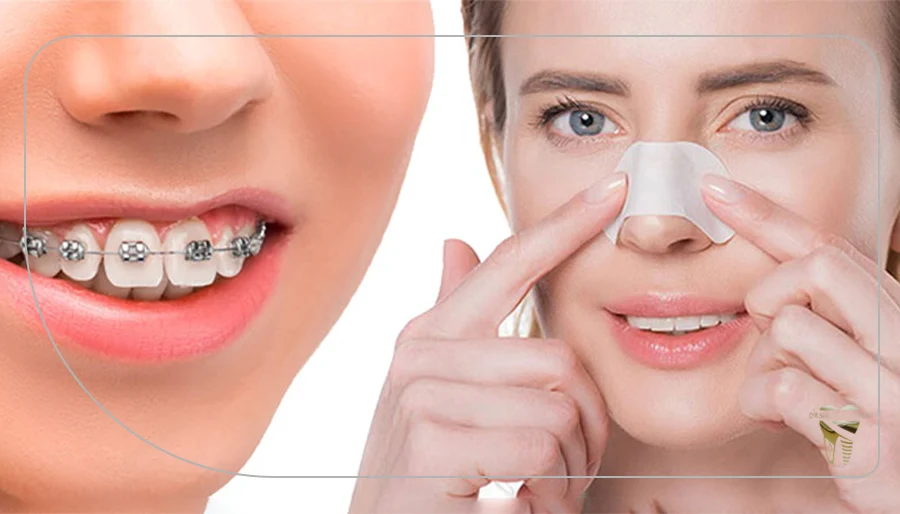
  • Nose: Orthodontics changes the appearance of the nose to some extent and has an effect on it. By moving the teeth and jaws, the angle between the lip and the nose changes, which can make the nose appear slightly different. However, overall, the impact of orthodontics on the nose is not noticeable.
Impact of orthodontics on the nose

Impact of orthodontics on the nose

Contrary to popular belief, orthodontics does not directly change the size or shape of the nose. However, by repositioning the teeth and jaws, it can indirectly affect the appearance of the nose.

The impact of orthodontics on the nose can be explained in several ways:

  1. Changes in lip position: As mentioned in previous articles, orthodontics can change the shape and position of the lips. This can affect the angle between the lip and the nose, making the appearance of the nose look slightly different.
  1. Changes in jaw position: The movement of teeth and jaws during orthodontics can also change the position of the jaw. This can affect the angle between the face and the nose, making the appearance of the nose look slightly different.
  2. Improved breathing: In some cases, orthodontics can help improve the appearance of the nose by correcting breathing problems. For example, in individuals who are forced to breathe through their mouth due to airway obstruction, orthodontics can open the airways, making the appearance of the nose look more natural.

According to the Tebkhooneh website, the change in lip shape after orthodontics is one of the topics that many people consider before starting the treatment process. As one of the main components of the face, the lips play an important role in the beauty and harmony of the countenance. The change in the position of teeth and jaws during orthodontics causes a change in the state of the lips, and its impact is clearly seen in the face.

Conclusion

Therefore, the change in lip shape after orthodontics can generally contribute to a person’s beauty and is no cause for concern. If you are unsure about this matter, before undergoing orthodontic treatment, ask your doctor to examine and explain the various factors in orthodontics regarding the impact of this method on the lips.

Dr. Ghasemi's All-Digital Dentistry

The most well-equipped digital dentistry in Shiraz and the south of the country.

Dentistry of Dr. Sirous Ghasemi

Leave a Reply

Your email address will not be published. Required fields are marked *