Blog
What happens if you skip a root canal?
A root canal is a common and essential dental procedure that many people find themselves needing. But you might wonder: what actually happens if you skip it? Ignoring a damaged tooth can lead to serious complications that take a heavy toll on your oral health. In this article, we’ll look at the risks and consequences of putting off a root canal. If left untreated, you could face severe infection, painful abscesses, and even total tooth loss. That’s why it’s best to take action now by booking an appointment online. Getting root canal therapy on time is crucial. If you wait too long, you might end up losing the tooth entirely and needing a dental implant in Shiraz at Dr. Sirus Ghasemi’s office.
فهرست مطالب
ToggleSpecial installment dental plans in Shiraz for our website patients.

Serious damage and complications of skipping root canal therapy
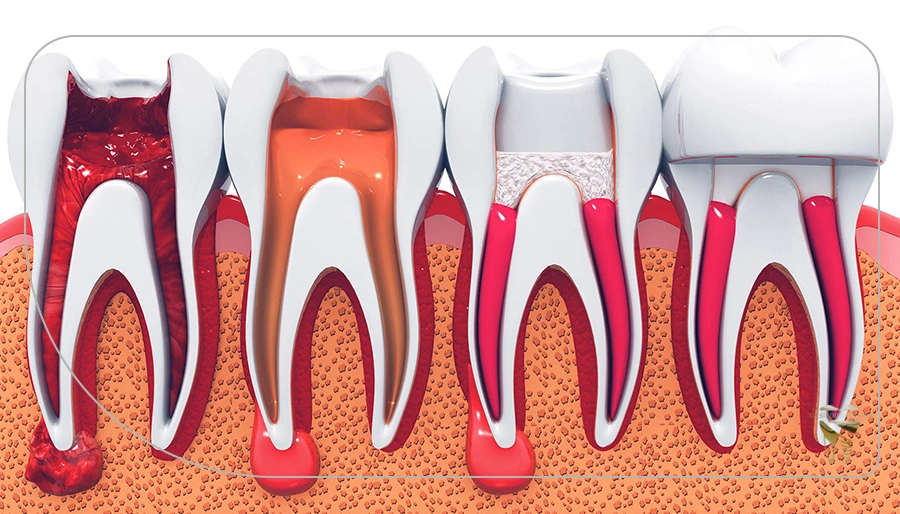
When a tooth is damaged and needs root canal therapy, leaving it untreated can cause serious harm. If decay or infection is ignored, the situation will only get worse over time. One of the first issues you might face is the development of severe cracks and fractures. These cracks can destroy the tooth’s structure and eventually lead to total tooth loss.
Skipping root canal therapy can also cause the infection to spread to the surrounding tissues. This can lead to abscesses, intense pain, and severe gum inflammation. In serious cases, this damage can become permanent and result in the need for a tooth extraction. Ultimately, delaying treatment doesn’t just affect the damaged tooth—it can also negatively impact your overall oral and jaw health. This is why getting timely treatment is so important.
Read more: Using salt water after root canal therapy
The most important reasons you might need root canal therapy
Root canal therapy, or endodontic treatment, is one of the most common dental procedures that helps save a damaged tooth and prevents the need for an extraction. Many people think that tooth pain is the only reason to get a root canal, but there are actually several reasons why this treatment might be necessary. Understanding these reasons can help with a faster diagnosis and prevent more serious damage.
Stopping the pain
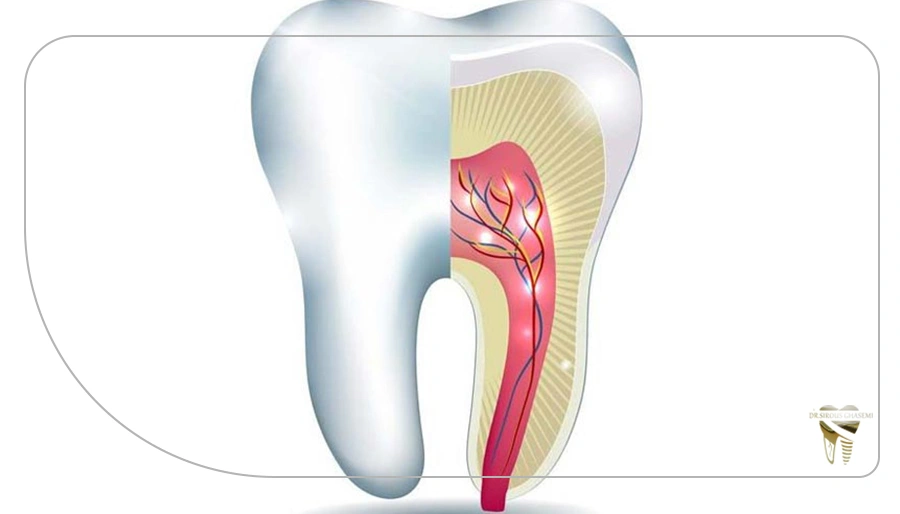
One of the main reasons for seeking root canal therapy is to stop severe or persistent toothaches. When decay or damage reaches the dentin and pulp, it causes inflammation and infection, leading to sudden, throbbing pain or extreme sensitivity to hot and cold. At this stage, only root canal therapy can relieve the pain and prevent the infection from spreading to the jaw and surrounding tissues.
The misconception that teeth can heal themselves
Many people imagine that a damaged tooth will gradually heal on its own or that a simple filling can fix the problem. This misconception can delay a visit to the dentist, allowing decay to progress until it reaches the nerve. Once pulp inflammation or infection occurs, only precise and professional root canal therapy can restore the tooth’s health and prevent its loss.
Read more: Dental crown after root canal therapy

What happens if a tooth that has had root canal therapy is not filled?
After a root canal, the inside of your tooth is cleaned and disinfected, but the structure remains fragile. If you don’t get a proper filling or crown:
- The tooth can easily crack or break.
- Bacteria can get back into the canals and cause another infection.
- The chances of needing a retreat or losing the tooth altogether go way up.
What happens if you don’t fix a damaged tooth?
If you leave a decayed or damaged tooth untreated, it’ll gradually lead to much more serious problems:
- The decay reaches deep into the dentin and pulp, causing intense pain.
- It can lead to dental abscesses and gum inflammation.
- The infection can spread to your jawbone and the surrounding teeth.
- Eventually, you’ll need to pull the tooth and deal with a complicated replacement process.
Why you shouldn’t put off a root canal?
Delaying a root canal can lead to more damage and make the treatment much more complicated:
- The infection gets worse: Pulp inflammation increases, and the pain becomes much more intense.
- Higher costs and longer treatment time: Simple treatments might not be enough anymore, and you could end up needing surgery or an extraction.
- Risk of tooth loss: Long delays significantly lower the success rate of a root canal.
What are the signs that you might need a root canal?
Recognizing the early signs of needing a root canal is key to preventing serious damage. The most important symptoms include:
- Severe, throbbing tooth pain, especially at night
- Long-lasting sensitivity to cold, heat, or sweets
- Tooth discoloration (turning dark or grey)
- Swelling or inflammation of the gums around the tooth
- Abscesses or pus drainage from the gums
- Pain when chewing or touching the tooth
The best digital dentistry center in Shiraz and Southern Iran
Read more: Post-endodontic home care instructions
What are the alternatives to a root canal?
According to Dr. Ghassemi, the top specialist for dental crowns in Shiraz, if a root canal isn’t an option or if the patient prefers an alternative, there are a few other ways to go:
- Extracting the tooth and replacing it with an implant or bridge: maintains chewing function and appearance, but means losing your natural tooth
- Filling and temporary protection: only works for surface-level, minor cavities
- Medication: temporarily relieves pain and reduces inflammation, but it’s not a permanent cure
- Protective crowns or capping: may help with minor damage, but it’s not a substitute for a root canal
In the end, there is no perfect substitute for a professional root canal, and standard root canal therapy offers the best chance of saving your natural tooth.

Problems caused by severe tooth decay
Severe tooth decay, also known as deep dental damage, can cause serious and widespread problems that affect not just your teeth, but your overall health. If you don’t treat a cavity in time, it can lead to issues far worse than just a simple toothache.
- One of the first issues caused by severe decay is intense pain. When a cavity reaches deep into the tooth and damages the pulp (the nerves and blood vessels inside), you’ll experience sharp, chronic pain that gets even worse with hot, cold, or sweet foods. This pain can be so bad that it keeps you from going about your daily life.
- Severe decay can also lead to tooth infections. Once the decay hits the deeper layers of the tooth, it can cause a dental abscess. This infection can spread to the surrounding tissues, like your gums, jawbone, and even further down to your throat and neck. If left untreated, the infection might lead to more serious problems like sepsis, which is a major threat to your overall health.
- Severe decay can also lead to tooth loss. If a cavity progresses so much that the tooth structure is completely destroyed, simple treatments like fillings won’t be enough anymore, and the tooth might have to be pulled. Losing a tooth can mess with how you chew and speak, affect your smile, and lead to the need for more complex treatments like dental implants.

How a bad tooth affects your overall health
One of the biggest risks of a bad tooth is serious infection. Decay and gum disease can allow bacteria to enter your bloodstream. These bacteria can then travel to other parts of your body, especially the heart and joints. This can lead to issues like joint inflammation, heart disease, and even heart attacks. That’s why taking care of your teeth and treating cavities early can help prevent many serious health problems.
On top of that, toothaches can really tank your quality of life. Chronic dental pain doesn’t just make it hard to focus on your daily tasks; it can also ruin your sleep, which ends up weakening your immune system. That lack of sleep and the stress from the pain can leave your body wide open to all sorts of other illnesses.
The importance of prevention and getting a root canal
First, keep in mind that tooth decay spreads fast, and without treatment, it can lead to severe infections and root damage. When decay gets deep enough to damage the nerve, a root canal is the only way to save the tooth. This process removes the infected or damaged tissue, and then the empty space is filled with special materials so the tooth can function again. If you skip the root canal, the infection can spread to your gums, jawbone, and even other parts of your body.
Read more: What is bleaching for a nerve killing tooth?
به نقل از وبسایت مجله پزشکی سلامت ایرانیان آمریکا :
When a tooth starts to decay, its nerves send signals to your brain, like sensitivity to cold or sweets. Usually, this pain is hit-or-miss and only flares up when triggered by something like a cold drink. If you don’t take care of it now, the decay will keep spreading until it hits the dentin, making your tooth even more sensitive.
Conclusion
Deciding whether to treat a damaged tooth with a root canal or go with an alternative depends on the tooth’s condition, how bad the damage is, and what your dentist recommends. A root canal is one of the most effective ways to save a tooth and stop an infection from spreading, but in some cases, alternatives might be a good fit—especially if the damage is caught early or a root canal isn’t an option. Picking the right treatment at the right time can save you from bigger problems down the road and keep your smile healthy.
Special offer for dental composite on installment in Shiraz at Dr. Ghasemi’s office