
Blog
What is Digital Anesthesia? Definition of Digital Dental Anesthesia

How is Digital Dental Anesthesia Performed?
Digital dental anesthesia uses advanced devices and pressure-control technology to perform anesthetic injections accurately and gently. In this method, the dentist first examines the injection site and sets the device so that the dosage, speed, and pressure of the anesthetic match the patient’s needs.
Then, using a specialized digital pen, the anesthetic is slowly and precisely delivered into the gum tissue. This process minimizes burning or pain sensations, providing a comfortable and stress-free injection experience. Unlike traditional methods that may cause sudden pain, digital anesthesia is gradual, fast-acting, and reliable—ideal for sensitive treatments such as root canals, posterior tooth fillings, or treating children and patients with dental anxiety.

What type of technique is digital anesthesia in dentistry?
Fear of the dentist is a common and natural anxiety worldwide. Much of this fear is related to the anesthetic injection and the pain patients feel when the needle enters the sensitive gum tissue and oral cavity. One of the goals of dental science has been to develop methods that increase patient comfort during anesthesia. The invention of painless injection techniques has turned the dream of pain-free dentistry into a reality for patients.
In digital dentistry, the anesthesia injection technique is completely different from traditional methods, delivering a fast, painless, and effective injection. In this method, only the targeted tooth is anesthetized, and there is no unpleasant numbness of the lips or tongue.
The goal of digital anesthesia is to use a modern approach with minimal anesthetic and without side effects. Injection with a digital anesthesia device involves utilizing digital technologies and continuous connection to electronic devices. This method is far superior to traditional needle injections and provides better performance.

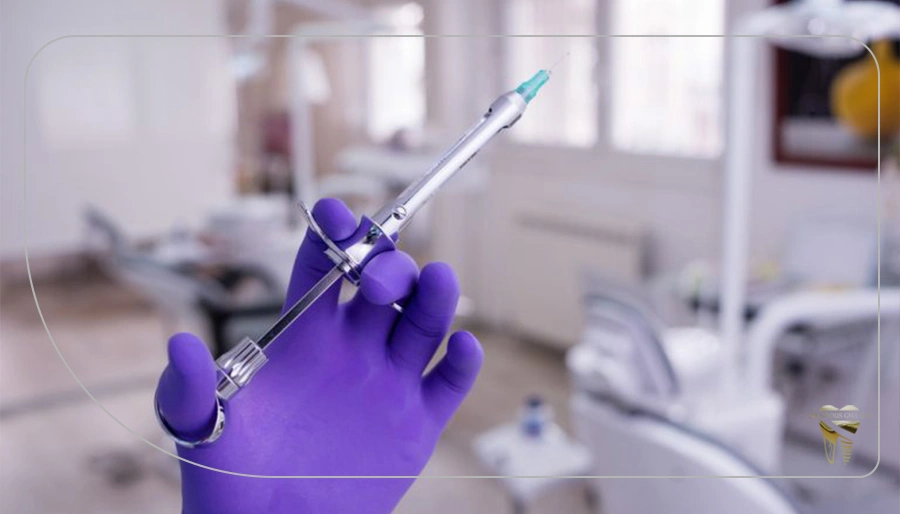
Difference Between Digital Anesthesia and Traditional Anesthetic Injection
In traditional dentistry, anesthesia is usually administered with a manual syringe, where injection speed and pressure are not controlled, often causing pain, burning, or anxiety. In contrast, digital anesthesia uses advanced technology to deliver the anesthetic slowly and gently, providing a more comfortable and stress-free experience for the patient. This method offers higher precision, better control of the anesthetic dosage, and reduced damage to surrounding tissues.
Feature | Traditional anesthetic injection | Digital Anesthesia |
Pressure and Speed Control | None, may be painful | Precise control of injection pressure and speed to reduce pain |
Patient Sensation | Higher likelihood of burning and discomfort | Minimal pain and burning, providing a calming experience |
Injection Accuracy | Depends on the dentist’s experience | Precise and digitally controlled, with the anesthetic delivered exactly where needed |
Suitable for Children and Anxious Patients | Less suitable, frightening and painful | Highly suitable, reduces anxiety and fear of injection |
Onset and Consistency | May require additional injections | Fast, consistent, and reliable |
Cost and Equipment | Inexpensive and simple | Requires advanced digital device and higher cost |
What are the benefits of using digital anesthesia?
Digital anesthesia in dentistry not only makes the injection process more comfortable for patients but also offers multiple advantages for the dentist and the treatment process. One of the main benefits is the reduction of patient pain and anxiety, as the anesthetic is delivered slowly and with controlled pressure, minimizing the sensation of burning or discomfort.
Using digital anesthesia increases injection precision; the anesthetic is delivered exactly to the targeted tissue, reducing the need for multiple injections. Additionally, this technology provides higher safety and minimizes damage to surrounding tissues, which is particularly important in sensitive treatments such as root canals or posterior teeth procedures. For children afraid of needles or patients with dental anxiety, digital anesthesia creates a calm and stress-free experience.

How does digital anesthesia work?
In traditional methods, a fixed dose of anesthetic is injected directly into the oral tissue using a syringe, causing local numbness. In digital anesthesia, a modern approach, the flow of anesthetic and pressure on the targeted tissue are precisely controlled, making the process safer, virtually painless, and well-managed. The anesthetic is guided into the target tissue under control, so the patient feels minimal to no pain. The thin and delicate needle used in this method further reduces discomfort. The Quick Sleeper device is an electronic tool commonly used for this technique.
Why is digital anesthesia suitable for individuals with needle phobia?
People who are afraid of needles and injections often avoid visiting the dentist, which can put their oral health at risk. Digital anesthesia is specifically designed to address this issue; unlike traditional syringes that can increase pain and fear, the anesthetic is injected gradually and with controlled pressure into the tissue, so the patient does not even experience a strong needle sensation.
Another advantage of this method is that the design of the digital pen and the slow injection process allow the patient to focus on minimal and controlled pain, reducing anxiety associated with the injection. Therefore, digital anesthesia is an ideal option for children who fear needles and adults with phobias, as it makes the treatment experience calm, stress-free, and almost painless, turning a dental visit into a positive experience.

How is digital anesthesia painless?
Digital anesthesia uses advanced technology to make the injection of anesthetic almost painless. In this method, the device precisely controls the injection speed and pressure, allowing the anesthetic to enter the tissue slowly and with minimal force, preventing sudden stretching or puncturing of the tissue.
Additionally, the digital pen is small and ergonomic, and the injection site is carefully selected so that the anesthetic is distributed directly to the required area. This precision minimizes stimulation of the surrounding tissue and reduces the sensation of burning or pain. Digital anesthesia technology also allows for gradual drug administration, giving the body time to adapt and reducing the activation of the pain response.
What are the applications of digital anesthesia?
Digital dental anesthesia with advanced technology makes the treatment experience more comfortable, precise, and virtually painless for patients. This method is not only suitable for patients who fear needles but also highly effective for sensitive and complex treatments. The main applications of digital anesthesia include:
- Root Canal Treatments (Endodontics): Precise anesthetic injection reduces pain and ensures patient comfort during root canal procedures.
- Posterior Tooth Fillings: Controlled injection pressure and speed minimize discomfort associated with anesthetizing molars.
- Tooth Extractions and Minor Surgeries: Gradual and precise drug delivery helps reduce pain and swelling.
- Treating Children and Patients with Phobias: Digital anesthesia provides a calm, stress-free experience without fear of needles.
- Gum Surgery and Periodontal Treatments: Accurate drug injection allows better anesthesia control and reduces discomfort in soft tissues.

Who is Digital Anesthesia Most Suitable For?
1. Children and Adolescents
Children and adolescents often experience severe anxiety during dental treatments due to fear of needles and injections. Digital anesthesia, with its slow and controlled injection, creates a calm, stress-free experience and makes visiting the dentist much easier for them.
2. Patients with Needle Phobia
Individuals with severe needle phobia often avoid dental treatments. Using digital anesthesia allows the anesthetic injection to be performed almost painlessly and without anxiety, providing these patients with a safe and comfortable experience.
3. Patients Requiring Sensitive Treatments
In treatments such as root canals, minor surgeries, or posterior tooth fillings, precision and control of anesthetic injection are very important. Digital anesthesia, with its precise and gradual injection, reduces pain and increases the dentist’s accuracy during treatment.