
Blog
Wisdom tooth extraction and surgery
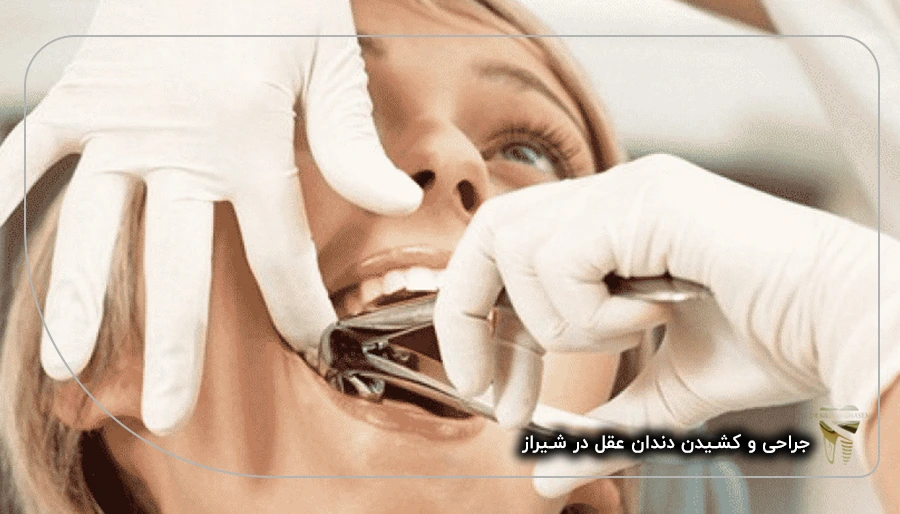
Wisdom teeth are a common issue for many people and can lead to pain, infection, or other complications. In these cases, wisdom tooth extraction or surgery becomes a necessary treatment. Shiraz, home to specialist doctors and top-tier clinics, is one of the best places to have this procedure done. In this city, you can access professional services and advanced treatments for tooth extraction Get the most out of your wisdom teeth. This procedure requires a lot of precision and skill, so we perform it in a calm, sterile environment to make sure you have a comfortable, stress-free experience.
فهرست مطالب
ToggleWhich dental service category does wisdom tooth extraction or surgery fall into?
Wisdom tooth extraction is one of the most common oral surgeries. Depending on how the tooth is growing, its angle, and how much it’s tucked into the jawbone, it can be a simple pull or a more specialized procedure. If the tooth has fully come in, it’s usually a quick, non-surgical extraction. However, if it’s impacted or partially impacted, you’ll need surgery under local anesthesia. This might involve a small gum incision or removing a bit of bone to protect your nearby teeth and jaw nerves.
Why would a tooth need to be pulled?
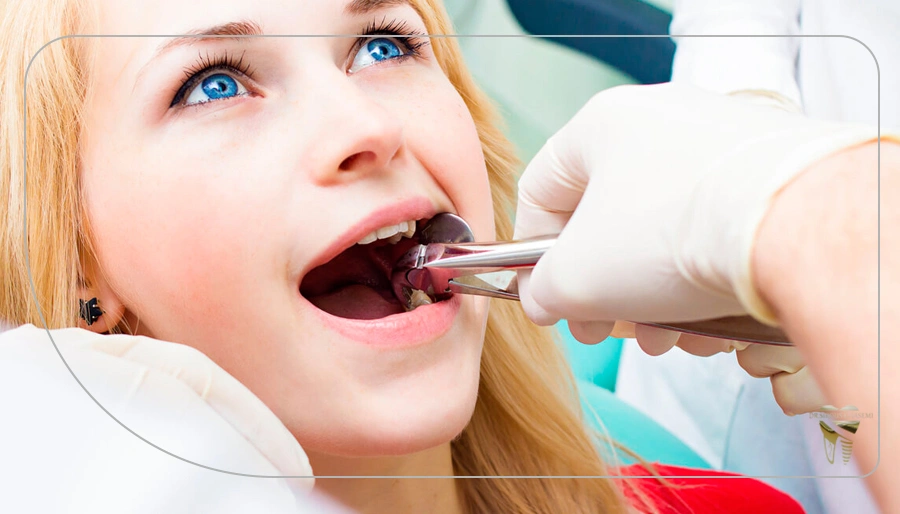
We recommend pulling a tooth when keeping it hurts your oral health or leads to constant pain and infection. The most common reasons for an extraction include deep decay that can’t be fixed, root infections, severe wobbling, major fractures, or just not having enough room in your jaw for wisdom teeth. When it comes to wisdom teeth, we usually decide to remove them if they’re crowding your other teeth, causing gum inflammation, or forming cysts.
When contacting the office, please mention that you contacted us through the website.
Read more: Wisdom tooth extraction costs in Shiraz
Tips before your tooth extraction
Following a few simple steps before your tooth extraction can make the procedure safer and help you recover much faster:
- Letting your dentist know about any health conditions, pregnancy, or medications you’re taking.
- Getting an X-ray to check the root and the position of the tooth
- Avoiding smoking for at least 24 hours before your extraction.
- Having a light meal (if you’re getting local anesthesia)
- Keeping your mouth clean to lower the risk of infection after your treatment.
Impacted wisdom tooth surgery in Shiraz
Impacted wisdom tooth surgery in Shiraz is performed by experienced dentists and oral surgeons, usually under local anesthesia. During the procedure, the dentist carefully reviews your panoramic X-ray to check how close the tooth is to the jaw nerves and sinuses, ensuring the least invasive approach is used. The main goal of the surgery is to safely remove the tooth and prevent complications like infection, chronic pain, and nerve damage.
When should you have surgery for an impacted wisdom tooth?
If an impacted wisdom tooth causes pain, swollen gums, recurring infections, or damages nearby teeth, surgery is necessary. It’s also important to act if the tooth is leading to cysts or jawbone loss, as delaying treatment can cause more serious issues. Generally, the best time for surgery is during your youth; since the roots aren’t fully formed and tissues heal faster, you’ll experience fewer post-op complications.
Wisdom tooth surgery in Shiraz
While wisdom teeth grow in without any issues for some, they often cause pain and various dental problems that require surgery. Shiraz, home to top dental specialists and advanced clinics, offers a reliable and comfortable experience for wisdom tooth procedures. With access to modern equipment, excellent healthcare services, and experienced doctors, the city is a great choice for treating wisdom teeth. Whether your wisdom tooth has fully erupted or not, you can expect safe, stress-free treatment in Shiraz to get you back to your daily routine quickly.
Why is impacted wisdom tooth surgery necessary?
Impacted wisdom teeth are a common dental issue where the tooth doesn’t emerge fully or correctly because there isn’t enough room to grow. This can lead to pain, infection, inflammation, and even damage to nearby teeth. In Shiraz, with experienced doctors and advanced equipment, getting surgery for an impacted wisdom tooth can help you avoid more serious problems like dental infections or jaw issues.
Impacted wisdom tooth surgery is performed with the utmost precision and care, ensuring a quick and pain-free recovery. In Shiraz, these procedures are handled by expert specialists, guaranteeing you receive the safest and most effective treatment available. Since impacted teeth can lead to various complications, getting surgery at the right time in Shiraz helps you avoid future pain and lets you get back to your daily routine with ease.
Steps for impacted wisdom tooth surgery in Shiraz at Dr. Ghasemi’s office
Impacted wisdom tooth surgery is a precise, specialized procedure performed in Shiraz using the latest technology and top-tier surgeons. The process involves several steps, each handled with expert care. We’ve broken down the stages of this surgery below so you’ll know exactly what to expect.
- Consultation and dental check-up
First things first, your dentist will check the position of your impacted wisdom tooth using X-rays. This step is super important to see exactly where the tooth is and spot any potential issues before getting started. - Preparing for surgery
Before everything, your dentist will give you some instructions to get ready for the surgery. You might need to do some specific tests or talk to other specialists first. This step makes sure everything goes as smoothly as possible during your procedure. - Local anesthesia or sedation
Next, to keep you comfortable during the surgery, we use local anesthesia or sometimes general sedation. This step makes sure you won’t feel any pain throughout the procedure. - The Procedure
During the surgery, the dentist makes a small incision in the gum to reach the impacted tooth. The tooth is then removed either in one piece or broken into smaller sections to make it easier to take out. This process requires a lot of precision and skill to ensure the surrounding teeth and tissues stay completely safe.
Recovery time after tooth extraction
Recovery time after a tooth extraction depends on the type of tooth, how tricky the pull was, and your overall health. For simple extractions, pain and bleeding usually drop off significantly within the first 24 to 48 hours, and your gums will mostly heal in about 7 to 10 days. With wisdom tooth surgery—especially for impacted teeth—swelling and discomfort might last a bit longer, and it can take 2 to 3 weeks for the tissue to fully heal. Following your dentist’s instructions, taking your meds on time, and keeping your mouth clean are key to bouncing back quickly.
What to avoid after wisdom tooth surgery
After wisdom tooth surgery, certain habits can mess with the healing process and even lead to complications like re-bleeding or dry socket. It’s best to avoid the following during the first few days:
- Avoid rinsing your mouth forcefully or spitting constantly, as this can dislodge the blood clot.
- Smoking or using a hookah, which seriously slows down your healing process
- Avoid drinking through a straw, as the suction can create negative pressure and disturb the surgical site.
- Eating hard, hot, or spicy foods during the first few days
- Don’t touch the surgical site with your tongue or fingers.
- Intense physical activity and bending over for long periods during the first 48 hours
Aftercare for impacted wisdom tooth surgery in Shiraz
After surgery, it’s important to rest for at least 24 to 48 hours and avoid any heavy lifting or intense workouts. This helps your body focus on healing and keeps swelling and pain down. In the first few hours, use an ice pack on the area to help with the swelling. This also eases the pain and speeds up your recovery. Just apply the ice for 15 to 20 minutes at a time, then take a 20-minute break.
Make sure to keep the surgical area clean. After the procedure, use the mouthwash prescribed by your dentist, but avoid rinsing forcefully to prevent any infection. Also, skip brushing directly over the surgery site for the first few days. To keep the area from getting irritated, stay away from hot, spicy, crunchy, or acidic foods. It’s better to stick to soft, cool options like cold soup, yogurt, and mashed potatoes—this helps manage the pain and makes eating much easier.
Wisdom tooth surgery prices in Shiraz
The biggest factor in the cost of wisdom tooth surgery is the type of procedure. In some cases, we might need to remove a bit of the jawbone, or if the tooth is buried deep under the gums, the surgery becomes more complex and time-consuming. In those situations, the price will be higher.
Besides the type of surgery, the dentist’s experience and expertise play a big role in the final cost. While highly experienced or well-known surgeons might charge a bit more, their skill usually means a smoother procedure and better results for you.
Another factor that affects the price is the clinic’s facilities. Some centers offer extra perks like advanced technology, high-precision equipment, or specialized post-op care, which can add to the overall cost.
The type of anesthesia used for the surgery can also affect the cost. In some cases, general anesthesia is used, which is more expensive than a local numbing shot.
Types of impacted wisdom teeth
Wisdom teeth are the last ones to come in, usually during your late teens or early twenties. For some people, these teeth don’t grow in right or there just isn’t enough room in the jaw for them. This is called “impacted wisdom teeth.” Depending on the angle and position of the tooth, there are a few different types of impaction, which we’ll break down below:
- Horizontal impaction
With this type of impaction, the wisdom tooth grows in horizontally and can push against your neighboring teeth. This can cause damage to the rest of your smile and usually hurts more because of the awkward positioning. In this case, you’ll need surgery to fully remove the tooth. - Angular impaction
With this type of impaction, the wisdom tooth grows in at an angle, pushing against the neighboring teeth. This can damage your other teeth and lead to gum problems. Usually, surgery is needed to remove the tooth and prevent pain or infection. - Fully impacted wisdom tooth
In this case, the wisdom tooth is completely trapped under the gum with no sign of it breaking through. This type of impaction might not cause immediate pain or gum issues, but sometimes the tooth can cause discomfort out of nowhere or due to pressure on neighboring teeth. In these situations, scans and professional exams are necessary to get an accurate picture of what’s going on.
Complications of not removing wisdom teeth
Wisdom teeth, the last ones to come in at the back of each jaw, usually show up between the ages of 17 and 25. One of the most common issues with leaving an impacted wisdom tooth untreated is chronic pain and inflammation. Since there’s limited space, the pressure from the growing tooth can cause aching in the gums and nearby teeth. If left alone, this discomfort can become a long-term nuisance.
Impacted wisdom teeth are also a breeding ground for bacteria and infection. Because they’re so hard to reach and clean properly, you’re much more likely to deal with gum disease, inflammation, and infections in that area. If left untreated, severe infections can spread to your other teeth or even your jawbone.
Quoted from implant.dr:
Wisdom tooth surgery might be necessary for several reasons, such as impaction or damage to neighboring teeth. The procedure is typically done on an outpatient basis under local anesthesia or general sedation. For patients undergoing this surgery, it’s important to follow post-op instructions carefully to prevent infection and speed up the healing process.
Conclusion
An impacted wisdom tooth might not cause any obvious issues at first, but over time, it can lead to serious problems like infections, chronic pain, damage to nearby teeth, and even jaw cysts. Delaying the extraction can result in complications that are much more time-consuming and expensive to treat. By visiting your dentist for a thorough check-up, you can catch these issues early and protect your oral health. Ultimately, choosing to remove an impacted wisdom tooth doesn’t just prevent future headaches—it keeps your entire mouth and jaw healthy.
When contacting the office, please mention that you contacted us through the website.