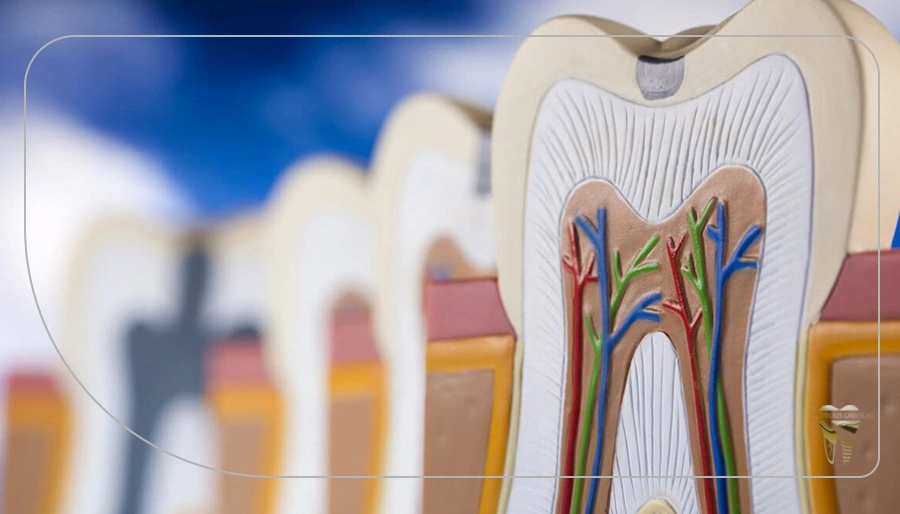
Dental Services

Nerve removal or Nerve Killing? What is the correct pronunciation of nerve Killing?

Nerve Removal or Nerve Killing

When a tooth suffers from severe pain or nerve inflammation, you have likely heard the terms “Nerve Removal” or “Nerve Killing.” But which term is truly correct, and why does it matter? neurectomy is a specialized dental procedure where the damaged nerve and pulp are extracted, and the canals are cleaned and filled to alleviate pain and save the tooth. The correct technical phrasing in Persian refers to “Nerve removal” emphasizing the removal not killing. Knowing the correct terminology is not only scientifically and medically significant but also ensures more accurate and professional communication when consulting with your dentist or scheduling your treatment.

To understand the difference between “Nerve Removal” and “Nerve Killing” and to receive this treatment with precision, you can benefit from special service nerve killing in Shiraz at Dr. Sirous Ghasemi office.

Nerve Removal or Nerve Killing; which one is correct?

Many people use the terms “Nerve Removal” and “Nerve Killing” interchangeably in everyday conversation; however, there are important distinctions between these two terms that help in better understanding this therapeutic process. While these two words may seem similar at first glance, “Nerve Removal” is the accurate term used in dentistry to describe the treatment of the dental pulp or nerve. In the following, we intend to fully explain the difference between these two terms to help you gain a better understanding of dental terminology.

Nerve Removal or Nerve Killing; which one is correct?

Nerve Removal

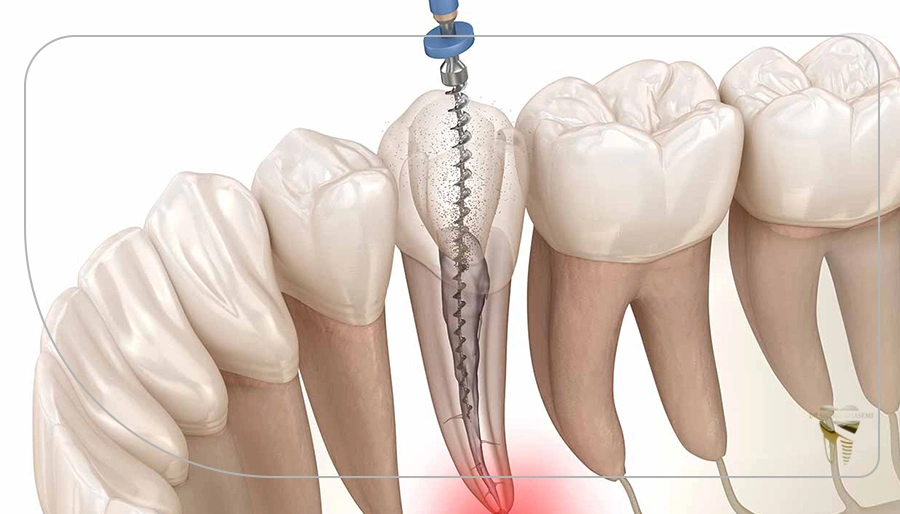
The correct and scientific term in dentistry is “Nerve Removal.” This term refers to the procedure in which the dentist extracts the damaged or infected nerve and internal tissues (pulp) from the tooth. The goal of this treatment is to preserve the tooth’s health and prevent infection or the spread of damage to other parts of the tooth and gums. After removing the pulp, the tooth is filled with specialized materials and eventually fully restored. This treatment is typically performed when the dental nerve has become severely inflamed or infected.

Nerve Killing

Although this term is mistakenly used in colloquial speech, its literal meaning is to kill or destroy the nerve. In fact, “Nerve Killing” has no application in dentistry and is an incorrect term to describe the therapeutic process of “Nerve Removal.” This term often incorrectly forms in people’s minds because one might imagine that during this process, the dental nerve is somehow killed or annihilated. However, the true goal of nerve removal is to preserve the tooth’s health by extracting the infected portions of the nerve.

Free dental examination by Dr. Ghasemi

Special plan installment dentistry in Shiraz at Dr. Ghasemi’s office for patients who book their appointments through the website.

Dentistry of Dr. Sirous Ghasemi
Nerve Removal or Nerve Killing

Why does the difference between these two terms matter?

The distinction between these two terms is important not only for linguistic accuracy but also for a better understanding of therapeutic methods. Using the correct term, “Nerve Removal,” helps patients better understand their treatment process and prevents complications from potential misunderstandings. Furthermore, a proper grasp of this concept can help reduce patient anxiety when facing dental procedures.

Scientific and Precise Definition of Nerve Removal

Quoted from Dr. Ghasemi, the best dentist transparent orthodontic in Shiraz:

Neurectomy, which is scientifically referred to as “dental pulp treatment” or “nerve therapy,” is a dental treatment process performed to resolve internal tooth problems and diseases. This treatment is required when the tooth nerve (pulp) becomes impaired due to deep decay, damage, inflammation, or infection and cannot be saved.

During the process of Nerve Removal, the dentist extracts the infected or dead nerve from inside the tooth and cleans and disinfects the root canals. Subsequently, these canals are filled with specialized materials to prevent re-infection and to strengthen the tooth. Finally, the tooth may be restored with a filling or a crown to return to its natural function.

The goal of nerve removal is to preserve the tooth in the patient’s mouth. Generally, this treatment is essential for preventing more extensive infections in the tooth and gum areas and can prevent tooth extraction; as a result, the patient can utilize their own tooth for a much longer period.

Does nerve removal mean the end of the tooth’s life?

When the dental nerve becomes damaged or infected, the tooth’s internal pulp can no longer perform its natural function. In this situation, if proper treatment is not carried out, the infection can spread to the structures surrounding the tooth and lead to tooth loss. During nerve removal, the dentist protects the tooth from further infection by removing the damaged pulp and preserves it for a longer period.

After nerve removal, the tooth remains viable even though it functions without a nerve. With proper filling and restoration following the procedure, the tooth will be able to continue its natural function. In fact, nerve removal is a solution to restore the tooth to a usable state rather than destroying it. Therefore, nerve removal in no way signifies the end of the tooth’s life; on the contrary, it extends the lifespan of the tooth.

What is the difference between "Nerve Removal" and "Nerve Killing"?

The Difference Between Nerve Removal and Nerve Killing in Dentistry

Many people use these two terms interchangeably when discussing the treatment of tooth pain and nerve inflammation: nerve removal and nerve killing. However, which one is actually correct and what is the difference between them? In truth, the scientifically accurate term in dentistry is “nerve removal,” as it describes the actual process of extracting and cleaning the dental nerve. The term “nerve killing” is a colloquial and incorrect expression that can lead to misunderstanding or ambiguity.

Title

Nerve Removal (Correct)

Nerve Killing (Incorrect)

Pronunciation

Nerve removal, with emphasis on “removal”

Nerve killing or nerve removal with incorrect emphasis

Scientific Validity

Correct and approved by dentists

Informal and colloquial

Precise Meaning

Extraction and cleaning of the damaged dental nerve and pulp

Same meaning, but with incorrect pronunciation

Use in medical correspondence

Recommended

It is improper and unprofessional use

Impact on communication with the doctor

Helping to communicate accurately and professionally

It may lead to misunderstandings.

Common Misconceptions About Dental Nerve Removal

Nerve removal is a common dental procedure that many people fear or have misconceptions about. These false beliefs can lead to treatment delays and worsen the tooth’s condition. The truth is that in digital dentistry, nerve removal is not only painless but also relieves severe toothache and helps preserve your natural tooth.

  • Misconception 1: Nerve removal is painful
    In fact, with the use of modern anesthetics, the nerve removal procedure is virtually painless; the primary pain occurs before treatment and is actually relieved by the nerve removal process.
  • Misconception 2: A tooth is dead and worthless after nerve removal
    A root canaled tooth is not alive, but it still has the ability to chew and, with proper restoration and crowning, maintains its natural function for years.
  • Misconception 3: Nerve removal causes other illnesses
    Scientific studies have demonstrated that nerve removal poses no risk to other organs and is considered a safe, standard treatment.
  • Misconception 4: A tooth after nerve removal deteriorates quickly
    If proper oral hygiene is maintained post-treatment and protective crowns or fillings are used when necessary, the tooth can remain trouble-free for many years.
  • Misconception 5: Nerve removal always requires multiple appointments
    Depending on the extent of the damage and the dentist’s expertise, some treatments can be completed in a single session, eliminating the need for multiple appointments.

Common Misconceptions About Dental Nerve Removal

If the nerve is removed, why does the tooth still ache?

Even after a root canal, some people may still experience tooth pain, which is surprising. This is because the tooth is not just made up of nerves; the tissues around the root of the tooth, the gums, and the surrounding bone still contain nerve endings that can respond to inflammation, pressure, or infection. The root canal process can also take some time for all the canals to be completely cleaned and filled, and during this time, normal tooth sensitivity or minor inflammation can cause mild or temporary pain. So, it is completely normal to have some pain after a root canal and it usually subsides with proper care and time.

Be sure to watch the video related to this important topic:

Aftercare after root canal treatment

After completing root canal treatment, following care instructions can facilitate faster healing, alleviate pain, and increase the tooth’s longevity. These measures are simple yet highly effective, ensuring your tooth remains healthy for years to come.

  • Avoid chewing hard foods: Avoid chewing nuts, ice, or hard foods, at least until a permanent filling or crown is placed on the tooth.
  • Maintaining Oral Hygiene: Regular brushing and flossing help keep the tooth clean and prevent infection.
  • Pain and Inflammation Management: If necessary, take the medications prescribed by your dentist as directed to reduce pain and inflammation.
  • Periodic Examinations: Following up and visiting the dentist to check the condition of the tooth and the final filling or crown is essential.
  • Avoid Excessive Pressure on the Tooth: Do not use the root-canaled tooth to open packaging or apply unusual pressure.
  • Soft Diet in the Early Days: Consuming soft and cool foods helps reduce tooth sensitivity and provides greater comfort.

By following these tips, your root-canaled tooth will heal faster, pain will be reduced, and the treatment’s durability will be extended.

Why is Nerve Removal Essential for Maintaining Dental Health?

Why is Nerve Removal Essential for Maintaining Dental Health?

Nerve removal is an essential dental treatment that plays a vital role in maintaining oral health and preventing more serious complications. This procedure becomes necessary when the dental nerve suffers from severe damage or infection, requiring root canal therapy. In fact, nerve removal can save damaged teeth and prevent the need for extraction.

When infection reaches the dental pulp (the soft, sensitive tissue inside the tooth), leaving it untreated can lead to its spread into the surrounding bone. This can cause severe complications, such as dental abscesses or even tooth loss. In such cases, nerve removal serves as a critical therapeutic intervention where the damaged pulp is removed and the tooth’s internal canal is filled with specialized materials. This process helps save the tooth and prevents the infection from spreading to other parts of the mouth.

In addition to preventing the spread of infection, nerve removal alleviates the pain and discomfort caused by dental abscesses. By eliminating the source of the pain, patients can comfortably return to their daily routines. Furthermore, this treatment helps preserve the natural structure of the tooth and prevents further deterioration.


Can Nerve Removal Preserve a Tooth Permanently?

While nerve removal can preserve a tooth for a long time, there is no absolute guarantee that it will remain healthy forever. This treatment eliminates infection and heals the internal tissues, which in many cases allows the tooth to function for years or even decades. However, its longevity depends on factors such as oral hygiene, protection from physical trauma, and consistent post-treatment care. In some instances, if the infection recurs or the tooth suffers significant structural damage, additional procedures or even extraction may be necessary. Consequently, routine check-ups and following your dentist’s recommendations are vital for the long-term success of the treated tooth.

Conclusion

Ultimately, nerve removal is an effective procedure for saving teeth that have suffered severe damage or infection. This process helps preserve the tooth for the long term, though its success depends on proper aftercare and the overall condition of the tooth. While the treatment heals damaged tissues, maintaining excellent oral hygiene and attending regular dental check-ups are essential to prevent recurring issues. With the right care, a root-canaled tooth can remain healthy and functional for years or even decades.

Free visit at Dr. Sirous Ghasemi's digital dental clinic

The Best clinic Digital Dental in Shiraz and South Shiraz

Dentistry of Dr. Sirous Ghasemi

Leave a Reply

Your email address will not be published. Required fields are marked *