
Blog
Is dental laminate better or dental veneer?
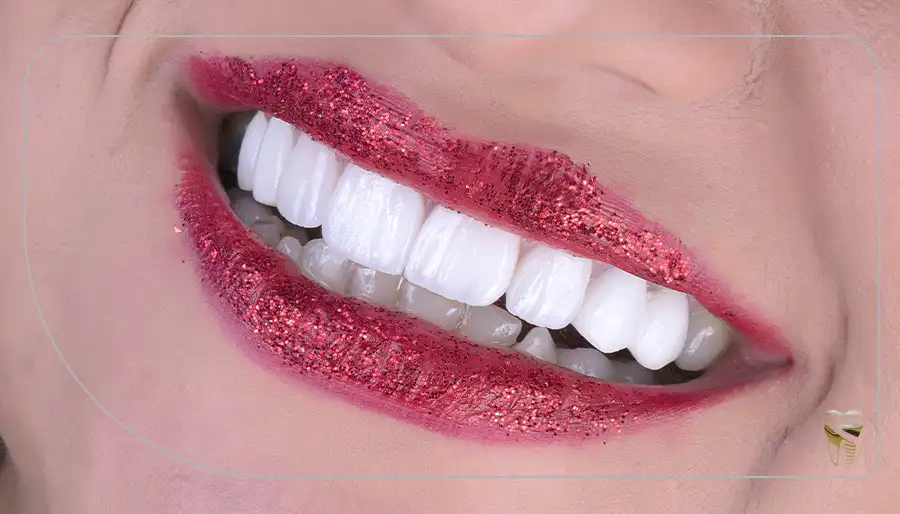

Comparing laminate and dental veneers at a glance
Dental veneers and crowns are two distinct procedures in cosmetic dentistry; the choice between them depends on your specific dental condition and personal needs. The most critical step before making a decision is a consultation with a cosmetic dentist. In the case of dental veneers, a thin layer of material is placed over the facial surface of the teeth, typically ranging from 0.5 to 0.7 mm in thickness. In contrast, dental crowns are thicker, usually measuring about 1.5 to 2 mm. To bond a veneer, only a minimal amount of the tooth structure is removed, preserving most of the natural tooth; however, a dental crown requires more significant reduction of the tooth structure to accommodate the thicker material.

Feature | Dental laminate | Dental crown |
definition | A thin ceramic or composite veneer applied to the facial surface of the tooth for aesthetic enhancement. | Complete tooth coverage to protect and repair damaged or weak teeth |
Main application | Correcting the color, shape, length and angle of the teeth | Protecting decayed, weakened, or fractured teeth and restoring their structural integrity. |
Appearance and Aesthetics | Very natural and clear, suitable for a Hollywood smile | Same color as natural teeth, but more focus on strength |
Resistance and durability | Good durability, stain resistant, medium to long life | Highly resistant, with high durability and a long lifespan, even for posterior teeth. |
Amount of Tooth Reduction | Very little sharpening or sometimes no sharpening | Need more tooth grinding for full placement |
suitable for | Healthy or less damaged teeth | Decayed, broken or root canal treated teeth |
The main advantage | Natural beauty and smile correction | Strength and complete protection of teeth |
Possible disadvantages | More expensive than composite and vulnerable under high pressure | The appearance is less transparent than laminate and sharpens more teeth |
What is dental laminate?
Dental veneers are thin ceramic or composite coverings placed on the facial surface of the teeth to enhance your smile. This procedure is used to correct tooth color, shape, length, and even minor misalignments. The most significant features of veneers include the following:
- A natural, translucent appearance that mimics real tooth enamel.
- Resistant to stains and discoloration compared to ordinary composite
- Suitable for correcting Hollywood smile and front teeth
- Long life and remarkable durability, if properly cared for

What is dental veneer?
A dental crown is a full-coverage restoration that encapsulates the entire tooth, primarily used to protect damaged, decayed, or weakened teeth. Crowns can be fabricated from metal, ceramic, or a combination of both, enhancing the tooth’s aesthetics in addition to providing protection. The characteristics of dental crowns include:
- Comprehensive protection of the tooth against fracture and decay.
- Suitable for back teeth that have a lot of chewing pressure
- Very high durability and strength
- The possibility of choosing the same color as natural teeth for a beautiful appearance
Is dental laminate better or dental veneer?
Dental veneers are typically fabricated from porcelain or composite materials. These materials are highly translucent and natural-looking, closely mimicking the appearance of natural teeth. Dental crowns are usually made of ceramic or porcelain materials. Generally, veneers offer a more natural aesthetic than crowns. While both dental veneers and crowns are considered permanent restorations, crowns typically offer greater longevity due to their increased thickness and the use of more durable materials.
Materials required for the fabrication of ceramic crowns
One of the key differences between dental crowns and ceramic veneers lies in the materials used. High-quality ceramic materials are utilized to fabricate ceramic veneers, typically consisting of porcelain or nano-ceramics. Both materials provide the teeth with a remarkably natural appearance.
- Porcelain is a type of ceramic that is widely used in the dental industry. This material beautifies the teeth very much; It also gives teeth strength and longevity.
- Nano-ceramic is also an advanced type of ceramic that offers improved properties using nano technology. Due to the presence of nanostructured particles, this material has more strength and hardness than traditional ceramics, and as a result, it is more resistant to breakage and corrosion.

Take a brief look at the comparison of two other popular methods: tooth composite or tooth veneer?
According to the best dental composite in Shiraz:
The decision between dental composite and crowns depends on several factors; below, we examine the advantages and disadvantages of both methods:
Advantages of composite:
- Preservation of Tooth Structure: Using composite resin for dental restorations does not require the removal of significant tooth structure; it typically necessitates minimal preparation and tooth reduction.
- Color Matching: Composite resin can be easily matched to the shade of natural teeth, achieving a seamless and natural appearance.
- Easy to perform: this procedure is usually performed in one appointment at the dentist’s office and does not require frequent visits for subsequent sessions.
Disadvantages of composite:
- Limited durability: Composite resin may have a shorter lifespan compared to dental crowns, as it can wear down or discolor over time.
- Susceptibility to staining: Composites may be more prone to discoloration and staining from substances such as coffee, tea, tobacco, and similar agents.
Benefits of dental veneers:
- High durability: Dental crowns typically offer greater longevity than composite resin and can maintain their structural integrity for many years.
- High resistance: Dental veneers are made of materials such as porcelain, which have high resistance to breakage and corrosion.
- Natural appearance: Crowns resemble natural teeth and offer a natural, aesthetic appearance.
Disadvantages of dental crowns:
- Tooth structure removal: Placing a dental crown may require the removal of a significant amount of the tooth structure.
- High Cost: Dental crowns involve a higher financial investment compared to composite resin and can be significantly more expensive.
- Requirement for Multiple Visits: Placing dental crowns may require several appointments and follow-up care.
Compare the cost of dental laminates and dental veneers at a glance
The cost of dental veneers and crowns depends on several factors, including the type of material used, the dentist’s expertise, the clinical condition of the teeth, and the location of the practice. Generally, dental veneers involve a moderate to high cost for aesthetic and cosmetic corrections, whereas the cost of dental crowns, used to protect damaged or decayed teeth, can vary significantly.

Type of Treatment | Approximate price range (Tomans / per unit) | Explanation |
Dental ceramic laminate | 3,500,000 to 6,000,000 | Suitable for correcting the color, length and shape of teeth and designing a Hollywood smile |
Metal Crown | 1,200,000 to 2,000,000 | Durable, suitable for posterior teeth, long-lasting |
Porcelain veneer metal (PFM) | 1,200,000 to 2,000,000 | A combination of metallic strength and porcelain aesthetics, suitable for both anterior and posterior teeth |
All-Ceramic Crown | 2,000,000 to 3,500,000 | Natural and transparent appearance, suitable for front teeth |
Zirconium Crown | 3,000,000 to 4,500,000 | Highly durable, natural, metal-free, and suitable for both front and back teeth. |