
Blog
What are the worst side effects of a root canal?
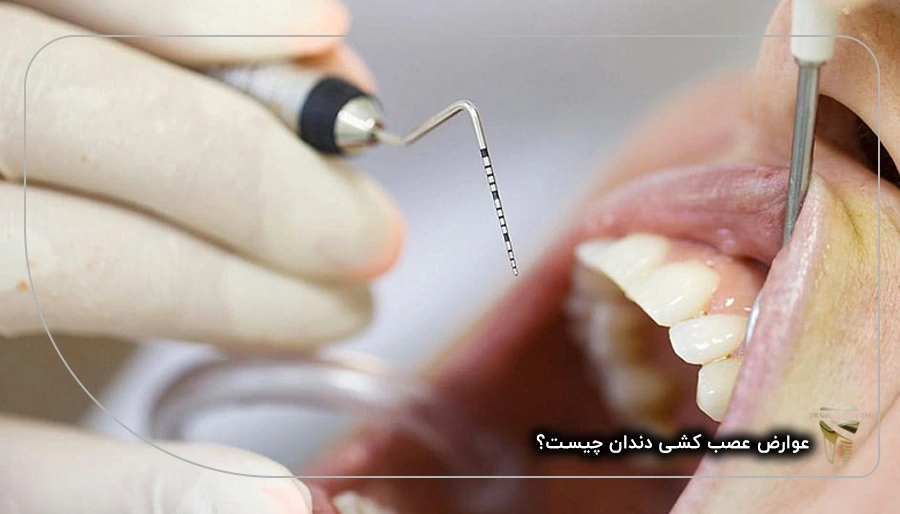

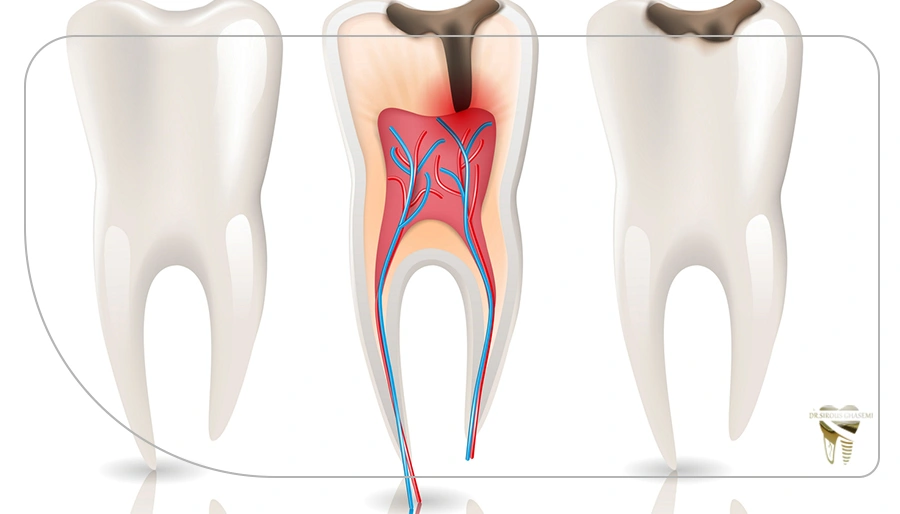
What are the side effects of a root canal?
A root canal is usually a safe and effective way to save a damaged tooth, but like any dental treatment, it may come with some temporary or rare side effects. The most common ones include pain or sensitivity after the procedure, gum inflammation, swelling, and sometimes minor bleeding, which usually subside within a few days to a week. In rare cases, infection, tooth fracture, or re-inflammation of the root may occur, especially if the treatment wasn’t fully completed or the tooth is very weak.
Factors affecting the occurrence of root canal complications
The occurrence of complications after a root canal depends on several factors and is not always due to the dentist’s mistake or negligence.
- Severity of tooth damage: Deeply decayed or broken teeth increase the likelihood of complications.
- Type and number of roots: Teeth with complex or multiple roots are harder to treat and carry a higher risk of sensitivity or inflammation.
- Dentist’s skill and experience: Proper and thorough technique plays a key role in reducing complications.
- Oral hygiene and post-treatment care: Following hygiene practices and post-root canal instructions reduces the risk of infection and inflammation.
- Patient’s immune system and overall health: Underlying conditions like diabetes or a weakened immune system can slow down the healing process.

Is a root canal therapy dangerous?
Overall, a root canal therapy is considered a safe and standard procedure aimed at saving the tooth and preventing more serious infections. Serious risks are very rare, and most issues are due to normal post-treatment sensitivity or manageable infections. Following hygiene guidelines, visiting an experienced dentist, and keeping up with post-treatment care effectively minimize potential risks.
Does a root canal therapy hurt?
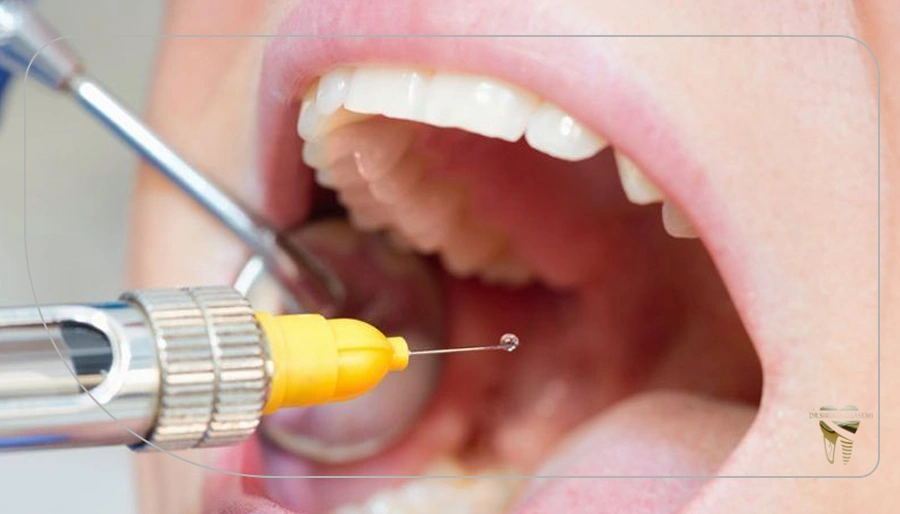
Root canal treatment is usually performed under local anesthesia, so you won’t feel significant pain during the procedure. However, once the anesthesia wears off, temporary pain or sensitivity is normal and is usually managed with pain relievers. The severity of tooth pain after a root canal treatment depends on factors like the level of tooth inflammation, the patient’s prior experience, and the complexity of the roots, but in most cases, the pain decreases within a few days and is nothing to worry about.

آیا عصبکشی دندان خطرناک است؟
بهطور کلی، عصبکشی دندان یک روش ایمن و استاندارد محسوب میشود و هدف آن نجات دندان و پیشگیری از عفونتهای شدیدتر است. خطرات جدی بسیار نادر هستند و بیشتر مشکلات ناشی از حساسیت طبیعی پس از درمان یا عفونت قابل کنترل میباشند. رعایت نکات بهداشتی، مراجعه به دندانپزشک با تجربه و پیگیری مراقبتهای بعد از درمان، عملاً ریسکهای احتمالی را به حداقل میرساند.
آیا عصبکشی دندان درد دارد؟
عصبکشی دندان معمولاً با بیحسی موضعی انجام میشود، بنابراین در طول درمان درد قابل توجهی احساس نمیکنید. با این حال، بعد از پایان اثر بیحسی، احساس درد یا حساسیت موقت طبیعی است و معمولاً با داروهای مسکن کنترل میشود. شدت درد دندان بعد از عصب کشی به عواملی مثل میزان التهاب دندان، تجربه قبلی بیمار و پیچیدگی ریشهها بستگی دارد، اما در اکثر موارد، درد پس از چند روز کاهش پیدا میکند و جای نگرانی نیست.
Ways to prevent and reduce complications of root canal treatment
One of the most important steps in prevention is choosing a skilled dentist with sufficient experience in performing root canal treatments. Using up-to-date equipment and advanced techniques during the procedure can help more accurately remove infected tissue and prevent damage to the tooth structure. Additionally, before starting the treatment, the dentist should fully explain the condition of the tooth to the patient and outline the potential risks and complications.
After a root canal treatment, home care also plays a vital role. This includes gentle brushing and flossing and avoiding hard or sticky foods to prevent damage to the treated tooth. Using painkillers and antibiotics as prescribed by the dentist can help reduce inflammation and prevent infection.
Finally, regular check-ups with the dentist after treatment are essential to ensure the tooth’s health and prevent other problems. If any unusual symptoms occur, such as severe pain, swelling, or bleeding, visiting the dentist immediately is recommended.
When should you visit the dentist?
After a root canal treatment, issues may arise that require an immediate visit to the dentist. If you experience symptoms such as severe pain, swelling, or bleeding after the procedure, you should see your dentist right away. Mild pain or slight inflammation is usually normal and gradually decreases, but if the pain persists intensely and for a long time, further evaluation may be necessary.
Also, if during the healing process you experience symptoms such as infection, pressure in the tooth area, or discoloration of the tooth, you should visit your dentist promptly. Paying attention to these signs can help ensure the treatment progresses smoothly and prevent serious complications. In general, any unusual sensation in the teeth or gums should be taken seriously, and consulting your dentist is very important to ensure the health of the treated teeth.

Essential care to prevent complications of root canal treatment
Proper care after a root canal treatment can help prevent complications and speed up the healing process. This care not only helps reduce pain and swelling but also prevents potential issues such as infection. The first thing to note is that some pain or inflammation is normal after a root canal. To reduce these symptoms, using painkillers prescribed by your dentist is recommended. Additionally, applying ice to the treated area can help decrease swelling. In general, avoid strenuous activities or putting pressure on the treated tooth.